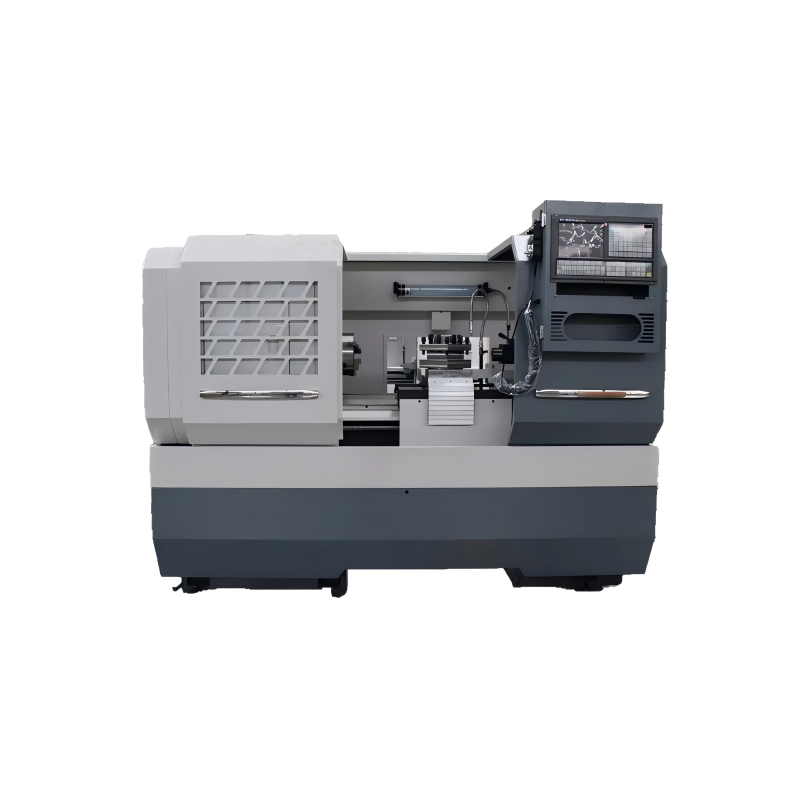
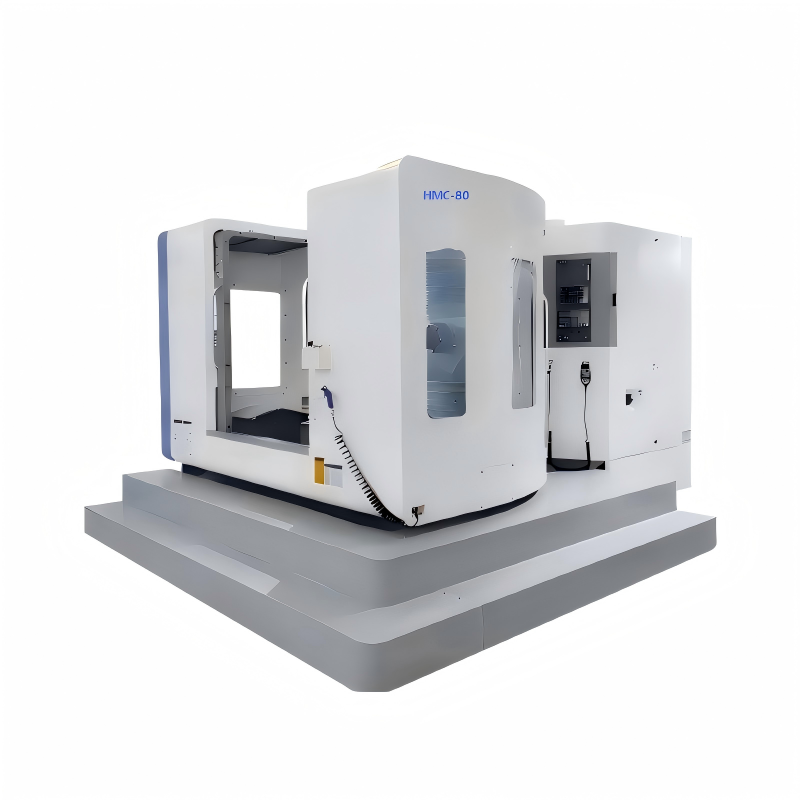
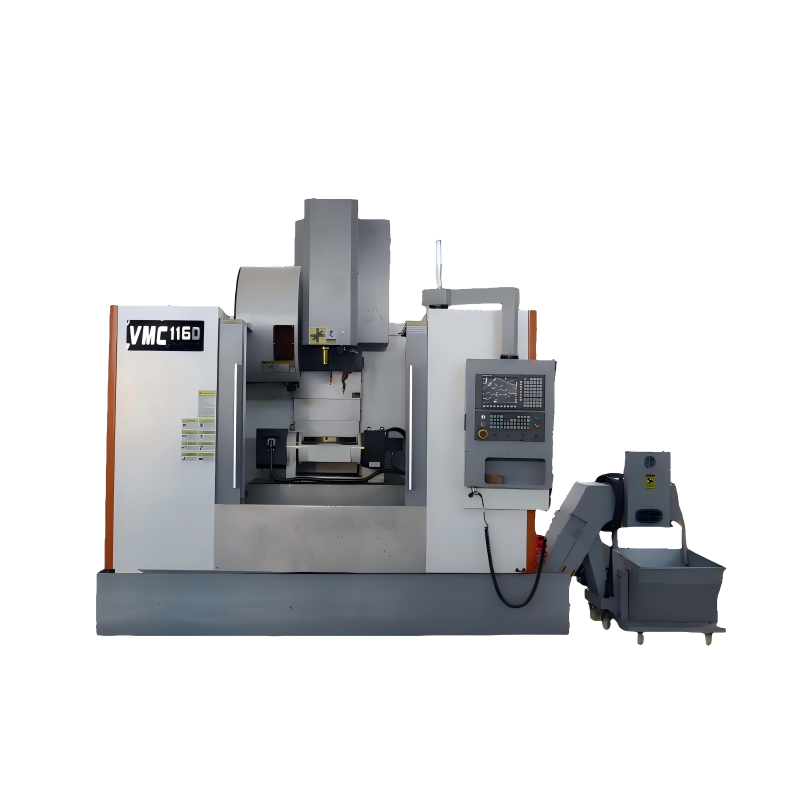
Long shaft machining with a CNC lathe is a specialized process that requires precision, skill, and the right equipment. This technical report aims to provide essential tips for achieving high-quality results in long shaft machining. The focus will be on optimizing the setup, selecting appropriate tooling, and ensuring consistent quality throughout the production process.
One of the most critical aspects of long shaft machining is the initial setup. A well-optimized setup can significantly reduce errors and improve the overall efficiency of the process. Here are some key considerations:
The choice of cutting tools plays a vital role in the success of long shaft machining. The right tools can enhance productivity, improve surface finish, and extend tool life. Consider the following factors when selecting tooling:
Consistency is key in any manufacturing process, and long shaft machining is no exception. To ensure consistent quality, implement the following best practices:
By following these essential tips, you can optimize your CNC lathe for long shaft machining, select the right tooling, and ensure consistent quality in your production process. These practices will help you achieve high-precision, high-quality results, and improve the overall efficiency of your operations.
 17/06/2026
Optimizing CNC lathe settings for long shaft machining is a critical process that significantly impacts the quality, efficiency, and cost-effectiveness of production. Long shafts, often used in automotive, aerospace, and industrial machinery, require prec
Read More17/06/2026With the advancement of technology, CNC lathes have become an indispensable tool in the manufacturing industry, especially for long shaft machining. This report aims to explore the capabilities of CNC lathes when it comes to working with long shafts, high
Read More16/06/2026The manufacturing industry has seen a significant transformation with the advent of Computer Numerical Control (CNC) technology. Among the various applications, the role of CNC lathes in high-quality long shaft manufacturing stands out as particularly cru
Read More16/06/2026In the realm of precision engineering, advancements in technology have continuously pushed the boundaries of what is possible, especially when it comes to machining long shafts. The CNC lathe, a cornerstone of modern manufacturing, has seen significant in
Read More16/06/2026In the realm of precision manufacturing, the CNC lathe for long shaft machining stands out as a critical tool. This article delves into the advanced techniques and methodologies employed in the precision machining of long shafts using CNC lathes, providin
Read MoreOur professional sales team is always ready to assist you.