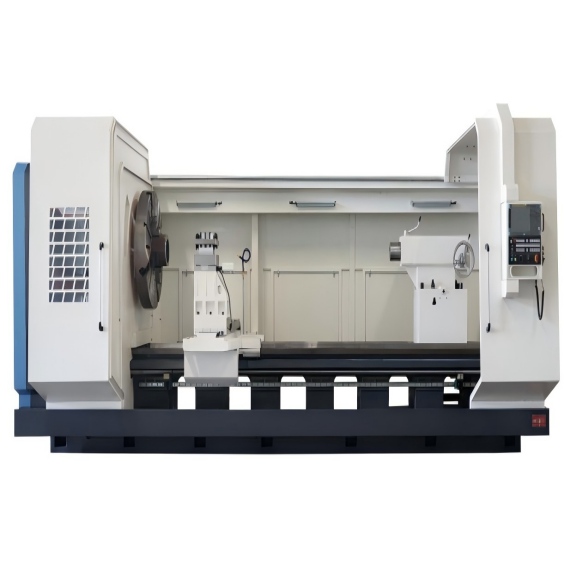
Optimizing CNC lathe settings for long shaft machining is a critical process that significantly impacts the quality, efficiency, and cost-effectiveness of production. Long shafts, often used in automotive, aerospace, and industrial machinery, require precise machining to meet stringent tolerances. This article will explore key strategies to enhance the performance of CNC Lathes when turning long shafts, focusing on tool selection, machine setup, and programming techniques.
Long shafts present unique challenges due to their length, which can lead to issues such as deflection, vibration, and thermal expansion. These factors can compromise the accuracy and surface finish of the machined part. To address these challenges, it is essential to understand the specific requirements of the material being machined and the desired final dimensions.
One of the primary concerns in long shaft machining is maintaining the straightness and roundness of the workpiece. Deflection can occur due to the weight of the shaft, especially if it is not properly supported. Additionally, vibrations can cause chatter marks and poor surface finish. Therefore, it is crucial to optimize the CNC lathe settings to minimize these effects.
The choice of cutting tools is a fundamental aspect of optimizing CNC lathe settings for long shaft machining. The right tool can significantly improve the cutting process, reduce wear, and enhance the overall quality of the machined part. When selecting tools for long shaft turning, consider the following:
By carefully selecting the appropriate tools, you can achieve better chip control, reduce cutting forces, and minimize the risk of tool breakage. This, in turn, leads to more efficient and accurate machining of long shafts.
Proper machine setup is another critical factor in optimizing CNC lathe settings for long shaft machining. The workholding system must provide adequate support to prevent deflection and ensure stability during the cutting process. Here are some key considerations:
Additionally, it is important to ensure that the lathe is properly aligned and calibrated. Regular maintenance and calibration of the machine can help maintain its precision and extend its lifespan.
Effective programming is essential for optimizing CNC lathe settings for long shaft machining. The G-code and M-code instructions must be carefully crafted to achieve the desired results. Here are some programming techniques to consider:
By implementing these programming techniques, you can achieve more efficient and accurate machining of long shafts, leading to improved productivity and reduced costs.
Continuous monitoring and quality control are essential to ensure that the long shafts meet the required specifications. Implementing a robust quality control system can help identify and address any issues early in the production process. Some key practices include:
By implementing a comprehensive monitoring and quality control system, you can ensure that the long shafts produced by your CNC lathe are of the highest quality and meet the stringent requirements of your customers.
Optimizing CNC lathe settings for long shaft machining involves a multi-faceted approach that includes tool selection, machine setup, and programming techniques. By addressing the unique challenges of long shaft machining, such as deflection and vibration, and by implementing best practices in tool selection, workholding, and programming, you can achieve superior results. Continuous monitoring and quality control further ensure that the machined parts meet the required specifications. With these strategies in place, your CNC lathe for long shaft machining will deliver high-quality, efficient, and cost-effective results.
 17/06/2026
Long shaft machining with a CNC lathe is a specialized process that requires precision, skill, and the right equipment. This technical report aims to provide essential tips for achieving high-quality results in long shaft machining. The focus will be on o
Read More17/06/2026With the advancement of technology, CNC lathes have become an indispensable tool in the manufacturing industry, especially for long shaft machining. This report aims to explore the capabilities of CNC lathes when it comes to working with long shafts, high
Read More16/06/2026The manufacturing industry has seen a significant transformation with the advent of Computer Numerical Control (CNC) technology. Among the various applications, the role of CNC lathes in high-quality long shaft manufacturing stands out as particularly cru
Read More16/06/2026In the realm of precision engineering, advancements in technology have continuously pushed the boundaries of what is possible, especially when it comes to machining long shafts. The CNC lathe, a cornerstone of modern manufacturing, has seen significant in
Read More16/06/2026In the realm of precision manufacturing, the CNC lathe for long shaft machining stands out as a critical tool. This article delves into the advanced techniques and methodologies employed in the precision machining of long shafts using CNC lathes, providin
Read MoreOur professional sales team is always ready to assist you.