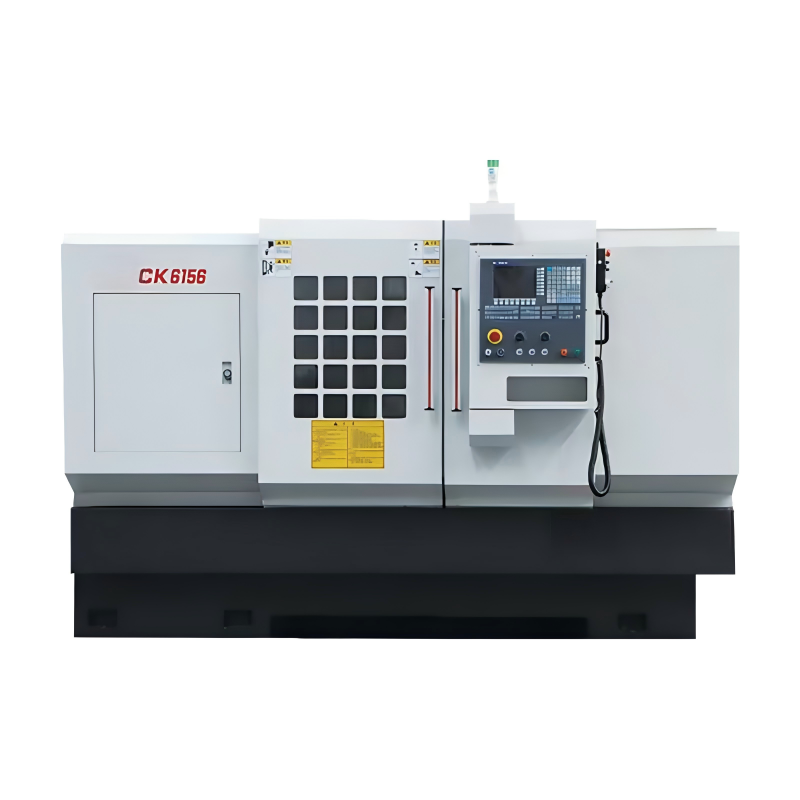
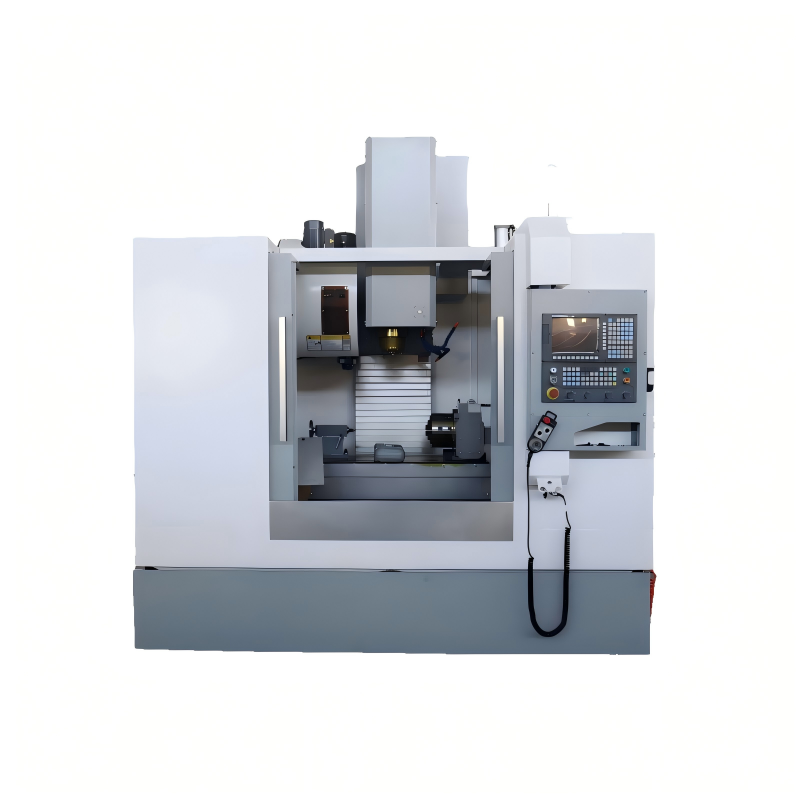
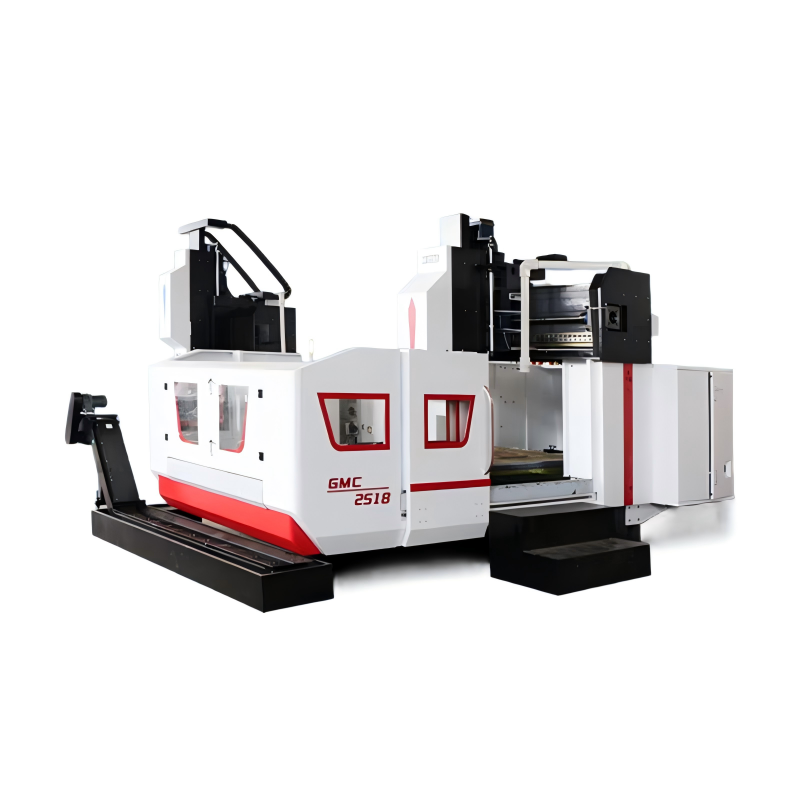
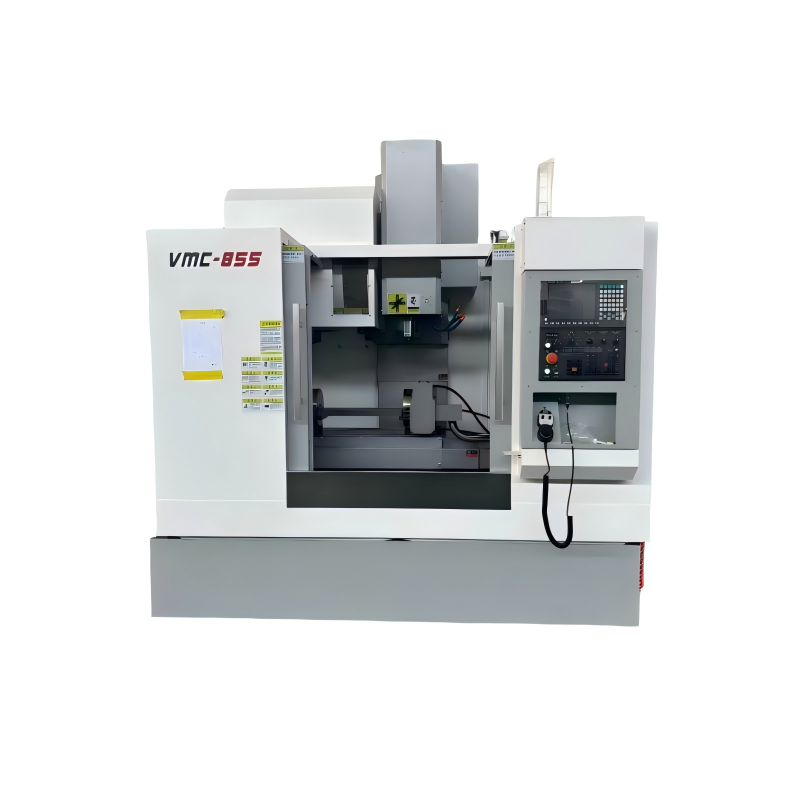
With the advancement of technology, CNC lathes have become an indispensable tool in the manufacturing industry, especially for long shaft machining. This report aims to explore the capabilities of CNC Lathes when it comes to working with long shafts, highlighting their advantages, limitations, and best practices.
CNC (Computer Numerical Control) lathes offer unparalleled precision in long shaft machining. The ability to program specific instructions into the machine ensures that each operation is carried out with exacting accuracy. For instance, a CNC lathe can maintain tolerances as tight as 0.001 inches, which is crucial for applications where even the slightest deviation can affect the performance of the final product. This level of precision is particularly beneficial in industries such as aerospace, automotive, and medical, where the quality and consistency of parts are paramount.
Moreover, CNC lathes can perform complex operations with ease. They can handle multi-axis machining, allowing for intricate designs and features on the long shaft. This capability reduces the need for multiple setups and machines, thereby increasing efficiency and reducing production time.
While CNC lathes are highly capable, they do face certain challenges when it comes to long shaft machining. One of the primary issues is the deflection of the workpiece due to its length. As the shaft extends, it becomes more susceptible to bending under the force of the cutting tools. This deflection can lead to inaccuracies in the final product, such as uneven diameters or poor surface finishes.
To mitigate this issue, several solutions can be implemented. First, using a steady rest or a tailstock can provide additional support to the long shaft, reducing the likelihood of deflection. A steady rest is a device that clamps onto the workpiece and provides a stable point of contact, while a tailstock supports the end of the shaft. Additionally, employing a higher rigidity in the machine setup, such as using a more robust chuck or ensuring the lathe bed is properly leveled, can also help minimize deflection.
Another challenge is the potential for thermal expansion. During the machining process, the heat generated by the cutting tools can cause the long shaft to expand, leading to dimensional inaccuracies. To address this, it is essential to use coolant effectively. Coolant not only helps to dissipate heat but also improves the tool life and surface finish of the machined part. Regular maintenance and calibration of the CNC lathe are also critical to ensure consistent performance and accuracy.
Efficiency is a key factor in any manufacturing process, and CNC lathes for long shaft machining are no exception. To optimize efficiency, it is important to consider the following factors:
Furthermore, implementing lean manufacturing principles can also enhance efficiency. By minimizing waste and optimizing the flow of materials, manufacturers can achieve higher throughput and lower costs. Regular training and skill development for operators are also essential to ensure that they are proficient in using the CNC lathe and can adapt to new technologies and processes.
In conclusion, CNC lathes for long shaft machining offer significant advantages in terms of precision, versatility, and efficiency. However, they also present challenges that must be addressed to ensure optimal performance. By understanding these capabilities and implementing the appropriate solutions, manufacturers can leverage CNC lathes to produce high-quality, accurate, and cost-effective long shafts. As technology continues to evolve, the future of long shaft machining looks promising, with further advancements expected to drive even greater efficiency and innovation in the field.
 17/06/2026
Long shaft machining with a CNC lathe is a specialized process that requires precision, skill, and the right equipment. This technical report aims to provide essential tips for achieving high-quality results in long shaft machining. The focus will be on o
Read More17/06/2026Optimizing CNC lathe settings for long shaft machining is a critical process that significantly impacts the quality, efficiency, and cost-effectiveness of production. Long shafts, often used in automotive, aerospace, and industrial machinery, require prec
Read More16/06/2026The manufacturing industry has seen a significant transformation with the advent of Computer Numerical Control (CNC) technology. Among the various applications, the role of CNC lathes in high-quality long shaft manufacturing stands out as particularly cru
Read More16/06/2026In the realm of precision engineering, advancements in technology have continuously pushed the boundaries of what is possible, especially when it comes to machining long shafts. The CNC lathe, a cornerstone of modern manufacturing, has seen significant in
Read More16/06/2026In the realm of precision manufacturing, the CNC lathe for long shaft machining stands out as a critical tool. This article delves into the advanced techniques and methodologies employed in the precision machining of long shafts using CNC lathes, providin
Read MoreOur professional sales team is always ready to assist you.