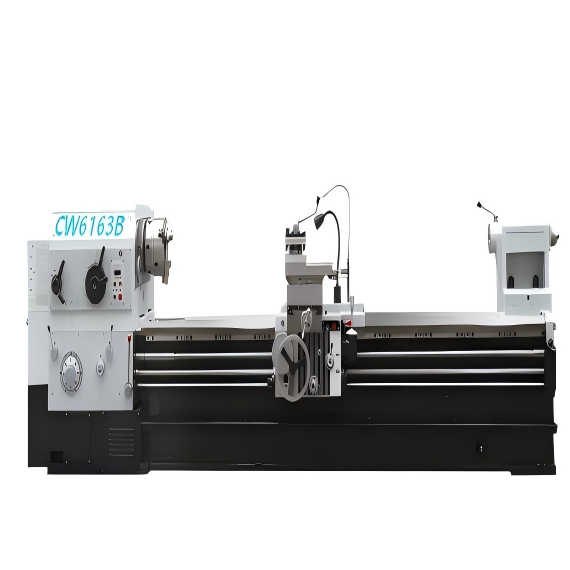
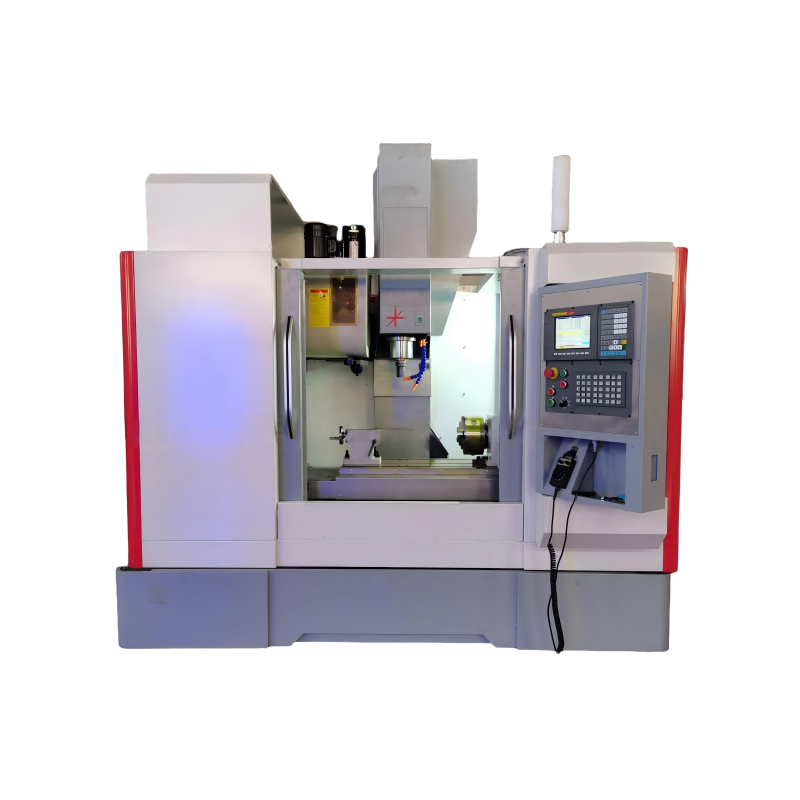
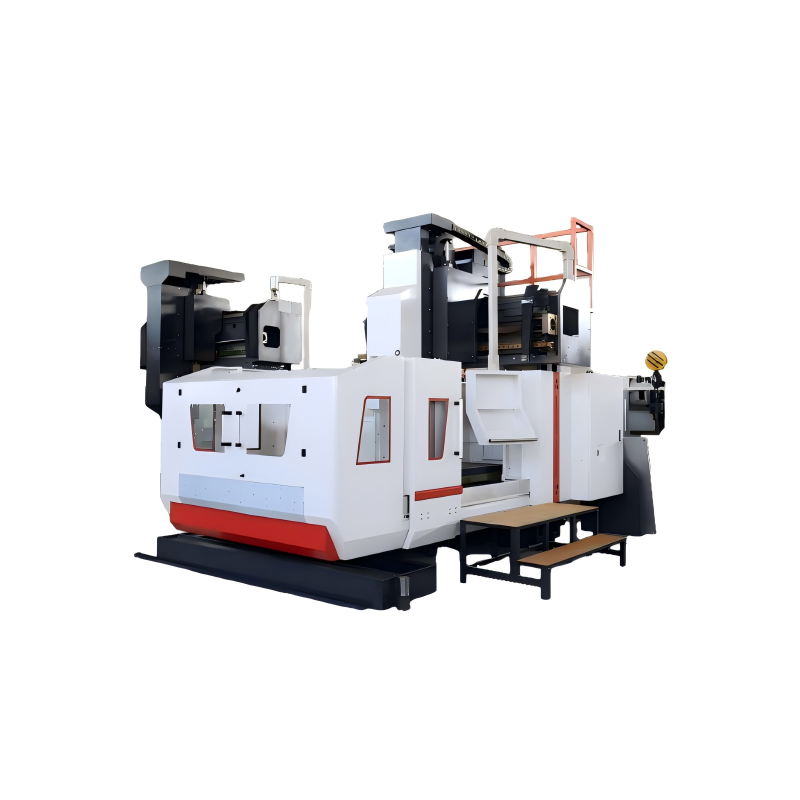
In the realm of industrial manufacturing, the high rigidity horizontal Machining Center has become an indispensable tool for precision and efficiency. This article delves into the capabilities of floor type Horizontal Machining Centers, exploring their advantages, applications, and the technological advancements that have made them a cornerstone in modern manufacturing processes.
The term "high rigidity" refers to the ability of a machine to resist deformation under load. In the context of a High rigidity horizontal machining center, this characteristic is crucial for several reasons. Firstly, it ensures that the cutting tool remains stable and accurate, even when subjected to high forces. This stability translates into higher precision and better surface finish on the machined parts. Secondly, high rigidity reduces vibrations, which can lead to tool wear and inaccuracies. By minimizing these vibrations, the machine can operate at higher speeds without compromising the quality of the workpiece. Finally, the robust construction of these machines allows for longer tool life and reduced maintenance, contributing to overall cost savings for manufacturers.
Floor type horizontal machining centers are versatile tools that find applications across a wide range of industries. In the aerospace sector, for instance, these machines are used to produce complex components with tight tolerances, such as engine parts and structural elements. The automotive industry also benefits from the high rigidity horizontal machining center's ability to handle large, heavy workpieces, making it ideal for machining engine blocks, transmission cases, and other critical components. Additionally, in the energy sector, these machines are employed in the production of turbine blades and other high-precision parts for power generation. The versatility of these machines makes them a valuable asset in any manufacturing environment where precision and durability are paramount.
Recent technological advancements have significantly enhanced the performance of floor type horizontal machining centers. One of the key developments is the integration of advanced control systems, which provide real-time monitoring and adjustment of the machining process. These systems use sensors and data analytics to optimize tool paths, reduce cycle times, and improve part quality. Another significant advancement is the use of high-speed spindles, which allow for faster material removal rates and shorter production cycles. The combination of high rigidity and high-speed spindles results in a more efficient and productive machining process. Furthermore, the incorporation of automation technologies, such as robotic loading and unloading systems, has streamlined the manufacturing workflow, reducing downtime and increasing overall productivity.
The high rigidity horizontal machining center stands out as a powerful and versatile tool in the manufacturing industry. Its ability to deliver high precision, stability, and efficiency makes it an essential component in the production of complex and high-precision parts. As technological advancements continue to drive improvements in these machines, their capabilities will only expand, further solidifying their role in the future of manufacturing. Whether in aerospace, automotive, or energy sectors, the high rigidity horizontal machining center is poised to meet the demands of modern manufacturing with unparalleled precision and reliability.
 22/06/2026
The Evolution of Horizontal Machining Centers Over the past few decades, the manufacturing industry has witnessed a significant transformation with the advent of high rigidity horizontal machining centers. These advanced machines have revolutionized the w
Read More22/06/2026As the manufacturing industry continues to evolve, so too does the technology that powers it. One of the most significant advancements in recent years has been the development of high rigidity horizontal machining centers and advanced CNC lathes specifica
Read More22/06/2026In the realm of manufacturing, high rigidity horizontal machining centers have become a cornerstone for achieving unparalleled precision and efficiency. These advanced machines are designed to handle complex and large-scale components with ease, making th
Read More17/06/2026In the realm of manufacturing and engineering, the concept of a high rigidity horizontal machining center (HMC) is not just a buzzword but a critical factor that significantly influences the quality, efficiency, and overall performance of the machining pr
Read More17/06/2026The high rigidity horizontal machining center is a critical piece of equipment in the modern manufacturing industry, offering numerous advantages over its counterparts. This report aims to explore the key benefits that make these machines indispensable fo
Read More17/06/2026In the realm of precision engineering, the high rigidity horizontal machining center stands as a pivotal innovation, offering unparalleled accuracy and efficiency. This report delves into the critical aspects of these machines, exploring their design, per
Read More17/06/2026The advent of high rigidity horizontal machining centers has revolutionized the manufacturing industry, offering unparalleled precision, efficiency, and versatility. This report delves into the capabilities of these advanced machines, exploring their uniq
Read More17/06/2026In the ever-evolving landscape of advanced manufacturing, the demand for precision, efficiency, and durability has never been higher. One of the key technologies that have risen to meet these challenges is the high rigidity horizontal machining center. Th
Read MoreOur professional sales team is always ready to assist you.