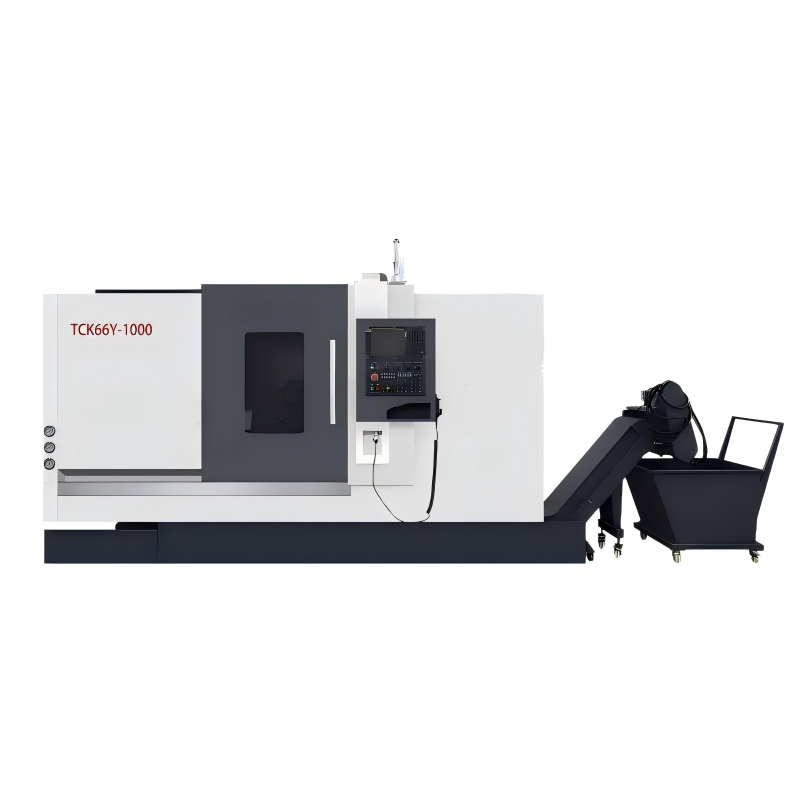
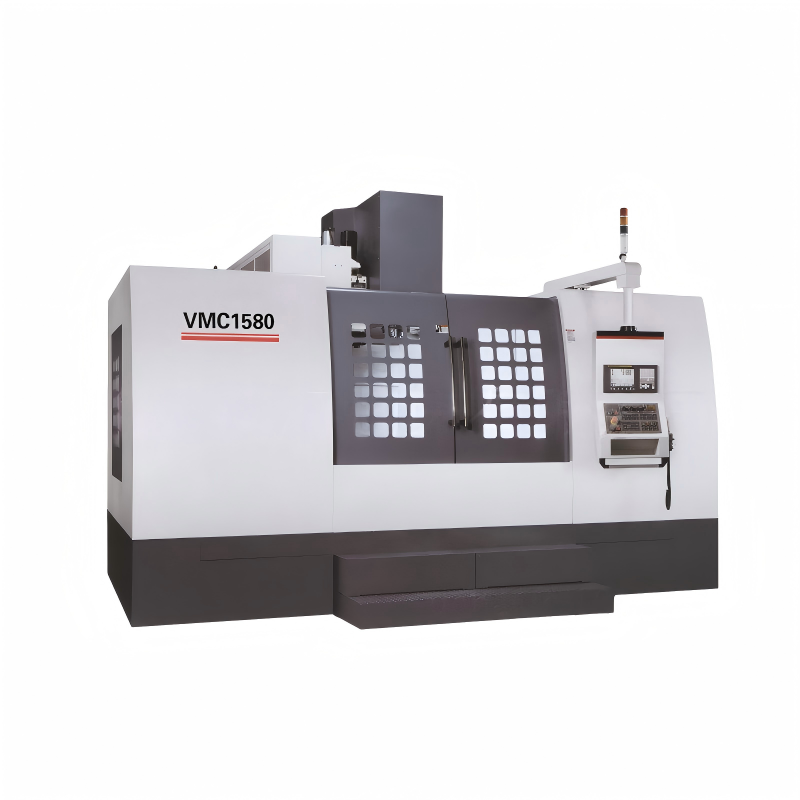
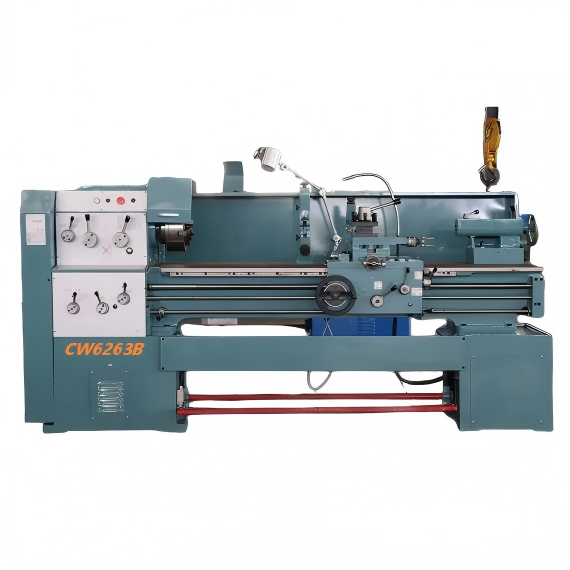
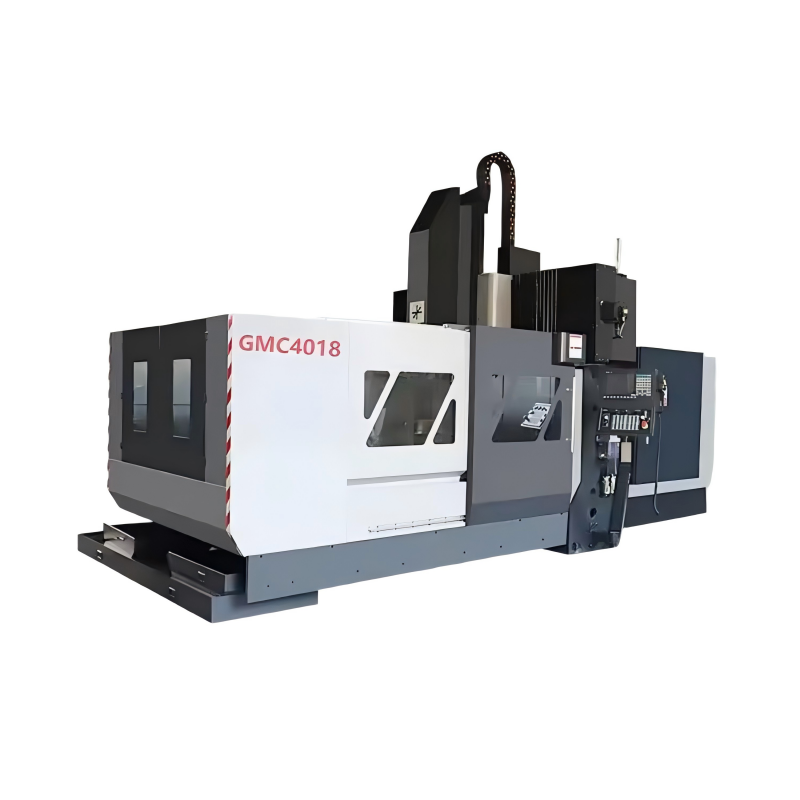
The oil and gas industry is one of the most technologically advanced sectors, constantly evolving to meet the demands of exploration and production. A key component in this industry's machinery is the Oil country tubular goods threading lathe, which plays a crucial role in ensuring the precision and reliability of pipes used in drilling and extraction processes. Over the years, there has been a significant evolution in the technology behind these lathes, enhancing their capabilities and efficiency. Initially, manual operations were common, but with advancements, we have seen the integration of computer numerical control (CNC) systems, leading to improved accuracy, faster production times, and reduced labor costs. These modern machines can now handle a wide range of materials, from standard carbon steel to more exotic alloys, catering to various environmental conditions and operational requirements.
The introduction of Computer Numerical Control (CNC) into the manufacturing process of oil country tubular goods has revolutionized how these components are produced. CNC allows for unprecedented levels of precision, repeatability, and customization, making it an indispensable tool in today’s high-demand oil and gas market. For instance, when threading pipes, the CNC system can maintain extremely tight tolerances, ensuring that each thread is perfectly formed, even under varying material hardness or thickness. This level of detail is critical because any imperfection in the threading could lead to leaks, failures, or other safety hazards during operation. Furthermore, CNC enables operators to program complex designs and patterns, which was previously challenging or impossible with traditional methods. As a result, not only does the quality of the end product improve, but also the overall productivity and cost-effectiveness of the manufacturing process.
Despite the many benefits offered by advanced technologies like CNC, maintaining high standards of quality remains a significant challenge in the production of oil country tubular goods. One major issue is the variability in raw material properties, such as hardness, grain structure, and chemical composition, which can affect the machining process. To address this, manufacturers employ sophisticated testing and inspection techniques, including non-destructive testing (NDT) methods like ultrasonic testing and magnetic particle inspection, to ensure the integrity of the finished products. Additionally, continuous training and development programs for operators and engineers help keep them updated on the latest practices and technologies, thereby improving their ability to produce consistent, high-quality threads. Moreover, regular maintenance and calibration of the oil country tubular goods threading lathe itself are essential to prevent wear and tear, ensuring that the machine operates at its optimal performance level over time. By addressing these challenges through a combination of technological innovation and human expertise, the industry continues to push the boundaries of what is possible in terms of precision and reliability in oil country tubular goods.
The use of advanced materials in the oil and gas industry, such as high-strength steels, corrosion-resistant alloys, and composite materials, has necessitated changes in the design and functionality of oil country tubular goods threading lathes. These materials often require specialized cutting tools and machining parameters to achieve the desired thread quality. For example, high-strength steels may need higher cutting forces and temperatures, which can put additional stress on the lathe. Therefore, modern threading lathes are designed with robust structures and advanced cooling systems to withstand these conditions. Additionally, the integration of smart sensors and real-time monitoring systems allows for better control and adjustment of the machining process, ensuring that the threads are formed accurately and efficiently. This not only improves the durability and performance of the tubular goods but also extends the lifespan of the lathe, reducing downtime and maintenance costs.
Looking ahead, several emerging trends are likely to shape the future of oil country tubular goods threading lathe technology. One of these is the increasing adoption of Industry 4.0 principles, which involve the use of data analytics, artificial intelligence (AI), and the Internet of Things (IoT) to optimize manufacturing processes. For instance, AI algorithms can predict tool wear and suggest optimal cutting parameters, while IoT-enabled sensors can provide real-time feedback on the condition of the lathe and the quality of the threads being produced. Another trend is the development of hybrid Machining Centers that combine multiple operations, such as turning, milling, and threading, into a single machine. This not only reduces setup times and handling costs but also enhances the flexibility and versatility of the manufacturing process. Lastly, sustainability is becoming a key consideration, with manufacturers focusing on energy-efficient designs and eco-friendly materials. By embracing these trends, the industry can continue to innovate and deliver high-precision, reliable, and environmentally friendly solutions for oil country tubular goods.
 17/06/2026
In the dynamic landscape of oil and gas exploration, the role of specialized machinery in enhancing efficiency and safety cannot be overstated. Among these, the oil country tubular goods threading lathe (OCTG threading lathe) stands out as a critical comp
Read More17/06/2026Oil country tubular goods (OCTG) threading lathes are essential machines in the oil and gas industry, used for precision threading of pipes and tubes. Proper maintenance is crucial to ensure these lathes operate efficiently and produce high-quality thread
Read More17/06/2026The manufacturing of oil country tubular goods (OCTG) is a critical process in the oil and gas industry, requiring precision, durability, and reliability. The threading lathe for OCTG plays a pivotal role in this process, ensuring that the connections bet
Read More17/06/2026Oil Country Tubular Goods (OCTG) are a critical component in the oil and gas industry, used for drilling and production operations. The threading of these goods is a precise and essential process that ensures the integrity and efficiency of the wellbore.
Read More16/06/2026In the realm of oil and gas exploration, the quality and precision of Oil Country Tubular Goods (OCTG) are paramount. Among the various manufacturing processes, threading lathes play a crucial role in ensuring that OCTG components meet the stringent stand
Read More16/06/2026Oil country tubular goods (OCTG) are critical components in the oil and gas industry, used for drilling, well completion, and production. The quality and precision of these tubulars are paramount to ensure the safety and efficiency of operations. One of t
Read More16/06/2026The manufacturing of oil country tubular goods (OCTG) is a critical process in the energy sector, requiring precision, reliability, and durability. One of the key pieces of equipment used in this process is the threading lathe, which plays an indispensabl
Read More16/06/2026In the realm of oil and gas exploration, the quality and efficiency of equipment play a critical role in ensuring operational success. One such piece of equipment that stands out is the Oil Country Tubular Goods (OCTG) threading lathe. This advanced machi
Read MoreOur professional sales team is always ready to assist you.