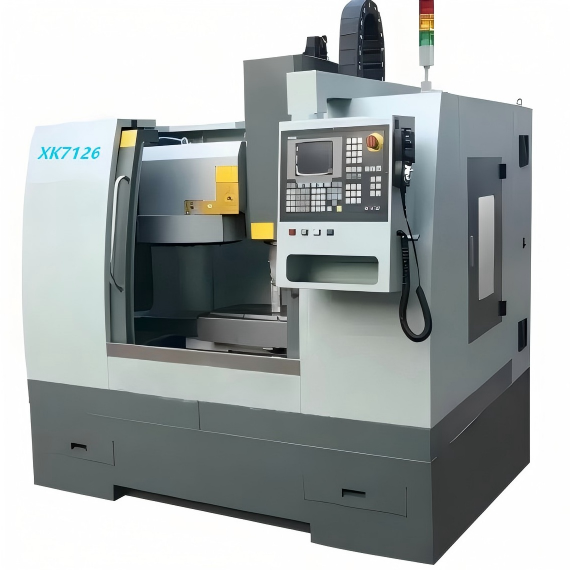
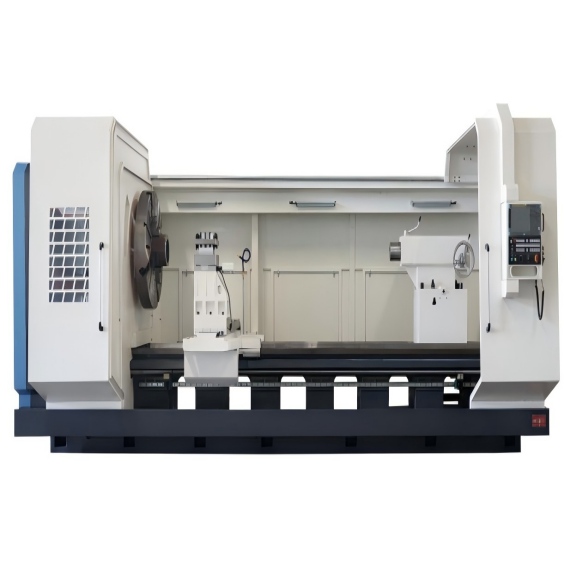
The manufacturing of oil country tubular goods (OCTG) is a critical process in the oil and gas industry, requiring precision, durability, and reliability. The threading lathe for OCTG plays a pivotal role in this process, ensuring that the connections between pipes are secure and leak-proof. This report explores recent innovations in threading lathes for OCTG manufacturing, highlighting advancements that enhance efficiency, accuracy, and cost-effectiveness.
One of the most significant advancements in OCTG threading lathes is the integration of advanced automation technologies. Modern threading lathes are equipped with computer numerical control (CNC) systems, which allow for precise and consistent threading operations. These CNC systems can be programmed to execute complex threading patterns, reducing the likelihood of human error and increasing the overall quality of the final product.
Additionally, the use of servo motors and high-precision sensors has further improved the accuracy of threading operations. These components enable the lathe to make real-time adjustments, ensuring that each thread is machined to exact specifications. The result is a more reliable and durable connection, which is crucial for the safe and efficient operation of oil and gas wells.
The materials used in the construction of OCTG threading lathes have also seen significant improvements. High-strength alloys and composite materials are now commonly used to build the lathe's structural components, enhancing its durability and longevity. These materials are resistant to wear and corrosion, making them ideal for the harsh environments often encountered in the oil and gas industry.
Moreover, the application of advanced coatings on cutting tools and lathe surfaces has further extended the life of these components. Coatings such as diamond-like carbon (DLC) and physical vapor deposition (PVD) provide excellent wear resistance and reduce friction, leading to smoother and more efficient threading operations. These advancements not only improve the performance of the threading lathe but also reduce maintenance costs and downtime.
The integration of data analytics and predictive maintenance technologies is another key innovation in OCTG threading lathes. Modern lathes are equipped with sensors and monitoring systems that collect real-time data on various parameters, such as temperature, vibration, and tool wear. This data is then analyzed using advanced algorithms to detect potential issues before they become critical.
Predictive maintenance allows manufacturers to schedule maintenance activities more effectively, reducing unplanned downtime and improving overall equipment efficiency. Additionally, the use of machine learning algorithms can help optimize the threading process by identifying the most efficient operating parameters, leading to increased productivity and reduced material waste.
Furthermore, the data collected from these systems can be used to continuously improve the design and performance of the threading lathe. By analyzing historical data, manufacturers can identify trends and make informed decisions about future upgrades and modifications.
As the oil and gas industry increasingly focuses on sustainability, the development of energy-efficient threading lathes has become a priority. Modern lathes are designed to minimize energy consumption through the use of high-efficiency motors and optimized power management systems. These features not only reduce operational costs but also contribute to a smaller environmental footprint.
Additionally, the use of eco-friendly lubricants and coolants in the threading process helps to minimize the environmental impact of OCTG manufacturing. These lubricants and coolants are biodegradable and non-toxic, ensuring that they do not pose a risk to the environment or human health.
By incorporating these energy-efficient and environmentally friendly features, manufacturers can meet the growing demand for sustainable practices while maintaining high standards of quality and performance.
The rise of Industry 4.0 has led to the integration of smart manufacturing technologies in OCTG threading lathes. These technologies include the Internet of Things (IoT), cloud computing, and artificial intelligence (AI). IoT-enabled lathes can communicate with other machines and systems in the manufacturing facility, enabling seamless coordination and optimization of the entire production process.
Cloud computing allows for the storage and analysis of large amounts of data, providing manufacturers with valuable insights into their operations. This data can be used to optimize production schedules, manage inventory, and improve supply chain efficiency. AI and machine learning algorithms can further enhance the capabilities of the threading lathe by automating complex decision-making processes and continuously improving the threading process.
These Industry 4.0 technologies not only improve the efficiency and flexibility of OCTG manufacturing but also enable manufacturers to respond quickly to changing market demands and customer requirements.
In conclusion, the ongoing innovations in threading lathes for oil country tubular goods manufacturing are driving significant improvements in efficiency, accuracy, and sustainability. Enhanced automation, advanced materials, data-driven manufacturing, and the integration of Industry 4.0 technologies are all contributing to the development of more reliable and cost-effective OCTG products. As the industry continues to evolve, these advancements will play a crucial role in meeting the challenges of the future.
 17/06/2026
In the dynamic landscape of oil and gas exploration, the role of specialized machinery in enhancing efficiency and safety cannot be overstated. Among these, the oil country tubular goods threading lathe (OCTG threading lathe) stands out as a critical comp
Read More17/06/2026Oil country tubular goods (OCTG) threading lathes are essential machines in the oil and gas industry, used for precision threading of pipes and tubes. Proper maintenance is crucial to ensure these lathes operate efficiently and produce high-quality thread
Read More17/06/2026Oil Country Tubular Goods (OCTG) are a critical component in the oil and gas industry, used for drilling and production operations. The threading of these goods is a precise and essential process that ensures the integrity and efficiency of the wellbore.
Read More16/06/2026In the realm of oil and gas exploration, the quality and precision of Oil Country Tubular Goods (OCTG) are paramount. Among the various manufacturing processes, threading lathes play a crucial role in ensuring that OCTG components meet the stringent stand
Read More16/06/2026Oil country tubular goods (OCTG) are critical components in the oil and gas industry, used for drilling, well completion, and production. The quality and precision of these tubulars are paramount to ensure the safety and efficiency of operations. One of t
Read More16/06/2026The manufacturing of oil country tubular goods (OCTG) is a critical process in the energy sector, requiring precision, reliability, and durability. One of the key pieces of equipment used in this process is the threading lathe, which plays an indispensabl
Read More16/06/2026In the realm of oil and gas exploration, the quality and efficiency of equipment play a critical role in ensuring operational success. One such piece of equipment that stands out is the Oil Country Tubular Goods (OCTG) threading lathe. This advanced machi
Read More16/06/2026The Evolution of Threading Technology in Oil Country Tubular GoodsThe oil and gas industry is one of the most technologically advanced sectors, constantly evolving to meet the demands of exploration and production. A key component in this industry's machi
Read MoreOur professional sales team is always ready to assist you.