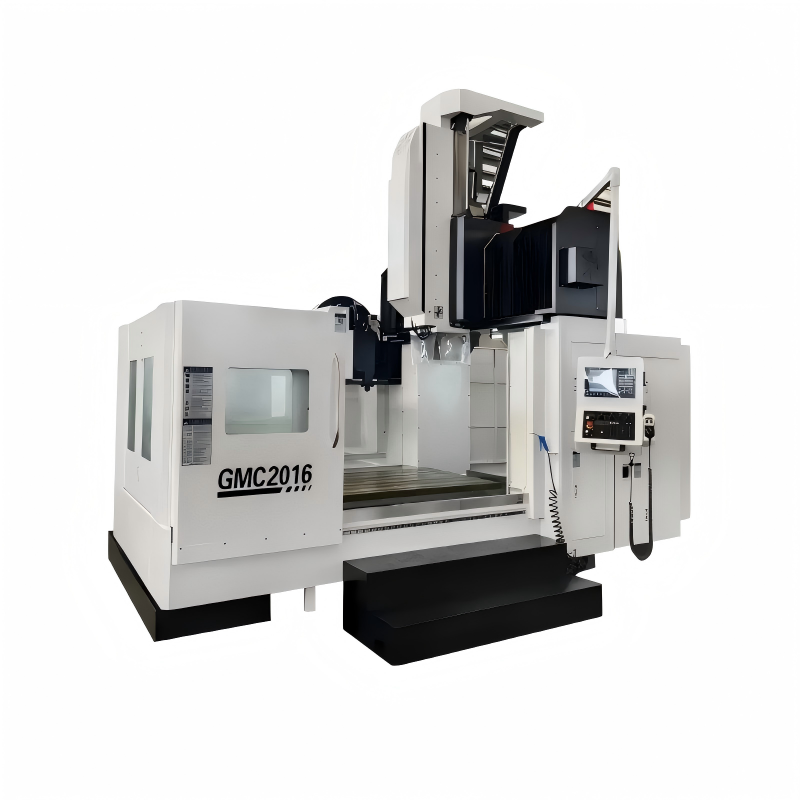
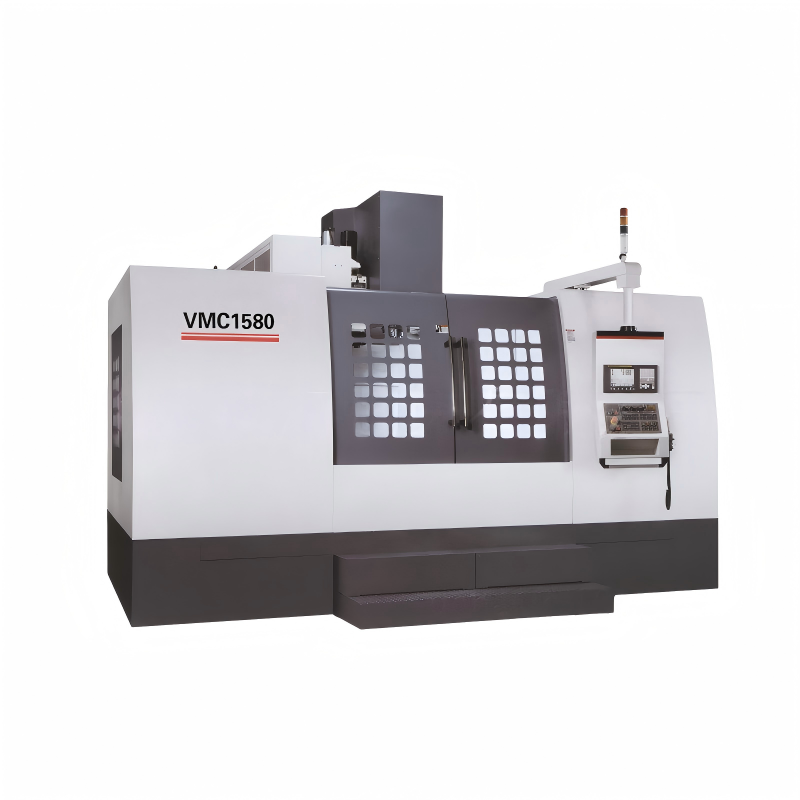
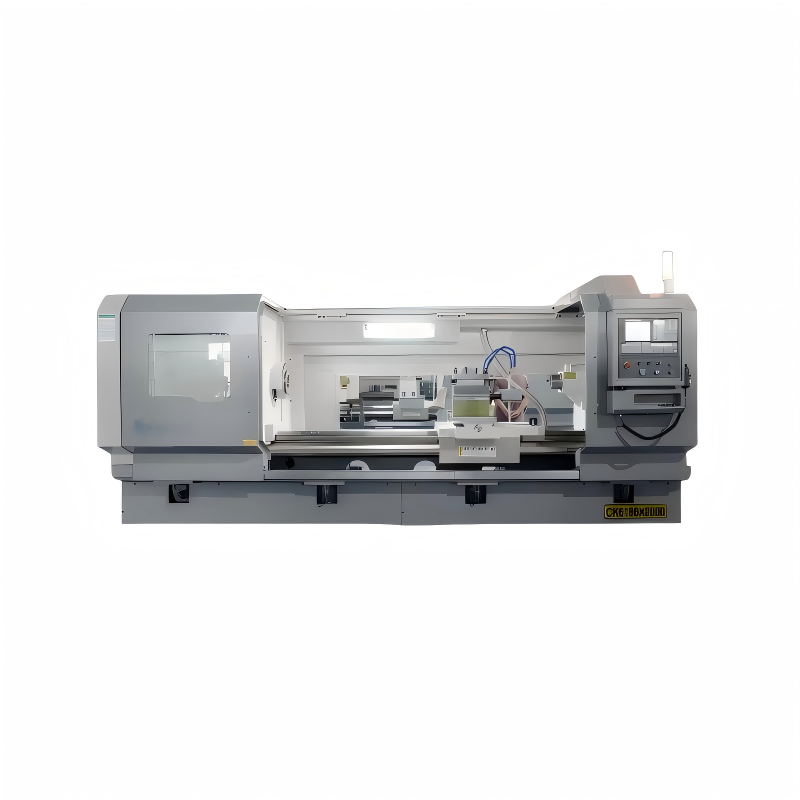
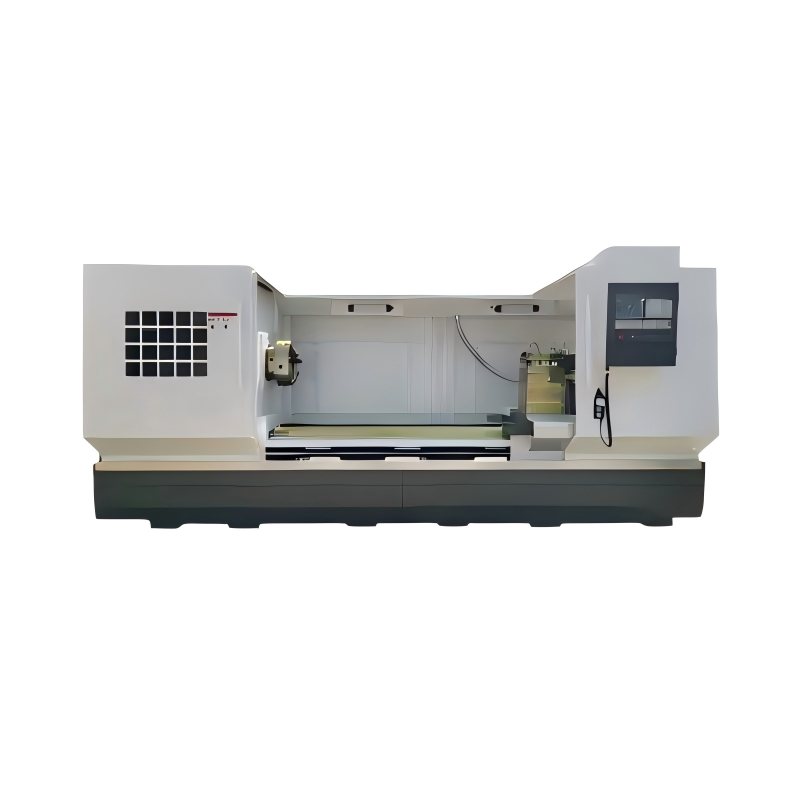
The manufacturing of oil country tubular goods (OCTG) is a critical process in the energy sector, requiring precision, reliability, and durability. One of the key pieces of equipment used in this process is the threading lathe, which plays an indispensable role in ensuring that OCTG products meet the stringent standards required for use in oil and gas exploration and production. This technical report will explore the significance of the Oil country tubular goods threading lathe in producing high-quality OCTG, focusing on its functionality, advancements, and impact on the industry.
The primary function of an oil country tubular goods threading lathe is to create precise threads on the ends of pipes, casings, and tubing. These threads are essential for connecting and sealing these components, ensuring that they can withstand the extreme pressures and corrosive environments encountered in oil and gas wells. The threading lathe achieves this by using advanced cutting tools and computer numerical control (CNC) systems, which allow for highly accurate and repeatable thread profiles. This precision is crucial because even minor deviations in thread dimensions can lead to leaks, structural failures, or other safety hazards. By maintaining consistent quality, threading lathes help to reduce the risk of such issues, thereby enhancing the overall reliability and performance of OCTG products.
Modern oil country tubular goods threading lathes are equipped with sophisticated automation features that significantly enhance their efficiency and productivity. CNC systems enable the lathes to operate with minimal human intervention, reducing the likelihood of errors and increasing the speed of production. Additionally, these systems can be programmed to perform complex threading operations, including multi-start threads and special thread forms, which would be challenging or impossible to achieve manually. The integration of automated loading and unloading systems further streamlines the manufacturing process, allowing for continuous operation and higher throughput. As a result, manufacturers can produce larger volumes of OCTG products while maintaining high standards of quality, ultimately contributing to greater profitability and competitiveness in the market.
Oil country tubular goods must adhere to a variety of international and industry-specific standards, such as API (American Petroleum Institute) specifications, to ensure their suitability for use in oil and gas applications. Threading lathes play a vital role in meeting these standards by providing the necessary precision and consistency in thread formation. Advanced threading lathes are designed to comply with these specifications, incorporating features such as real-time monitoring and feedback systems that detect and correct any deviations from the desired thread profile. This ensures that every OCTG product produced meets the required tolerances and performs reliably under the harsh conditions of oil and gas wells. Furthermore, many threading lathes are equipped with data logging capabilities, which provide traceability and documentation for quality assurance purposes, facilitating compliance with regulatory requirements and customer expectations.
Continual advancements in technology and materials have led to significant improvements in the performance and capabilities of oil country tubular goods threading lathes. For example, the development of high-strength, wear-resistant cutting tools has extended the lifespan of these tools, reducing downtime and maintenance costs. Additionally, the use of advanced materials for the construction of the lathes themselves, such as corrosion-resistant alloys, enhances their durability and resistance to environmental factors. Moreover, the integration of artificial intelligence (AI) and machine learning algorithms into CNC systems allows for predictive maintenance and optimization of the threading process, further improving the efficiency and reliability of the lathes. These technological advancements not only benefit the manufacturers by reducing operational costs but also contribute to the overall quality and longevity of OCTG products, making them more reliable and cost-effective for end-users.
In conclusion, the oil country tubular goods threading lathe is a critical piece of equipment in the manufacturing of high-quality OCTG products. Its ability to enhance precision and consistency, improve efficiency and productivity, ensure compliance with industry standards, and leverage advancements in technology and materials makes it an indispensable tool in the energy sector. As the demand for reliable and durable OCTG products continues to grow, the role of the threading lathe will become even more important, driving innovation and excellence in the manufacturing process.
 17/06/2026
In the dynamic landscape of oil and gas exploration, the role of specialized machinery in enhancing efficiency and safety cannot be overstated. Among these, the oil country tubular goods threading lathe (OCTG threading lathe) stands out as a critical comp
Read More17/06/2026Oil country tubular goods (OCTG) threading lathes are essential machines in the oil and gas industry, used for precision threading of pipes and tubes. Proper maintenance is crucial to ensure these lathes operate efficiently and produce high-quality thread
Read More17/06/2026The manufacturing of oil country tubular goods (OCTG) is a critical process in the oil and gas industry, requiring precision, durability, and reliability. The threading lathe for OCTG plays a pivotal role in this process, ensuring that the connections bet
Read More17/06/2026Oil Country Tubular Goods (OCTG) are a critical component in the oil and gas industry, used for drilling and production operations. The threading of these goods is a precise and essential process that ensures the integrity and efficiency of the wellbore.
Read More16/06/2026In the realm of oil and gas exploration, the quality and precision of Oil Country Tubular Goods (OCTG) are paramount. Among the various manufacturing processes, threading lathes play a crucial role in ensuring that OCTG components meet the stringent stand
Read More16/06/2026Oil country tubular goods (OCTG) are critical components in the oil and gas industry, used for drilling, well completion, and production. The quality and precision of these tubulars are paramount to ensure the safety and efficiency of operations. One of t
Read More16/06/2026In the realm of oil and gas exploration, the quality and efficiency of equipment play a critical role in ensuring operational success. One such piece of equipment that stands out is the Oil Country Tubular Goods (OCTG) threading lathe. This advanced machi
Read More16/06/2026The Evolution of Threading Technology in Oil Country Tubular GoodsThe oil and gas industry is one of the most technologically advanced sectors, constantly evolving to meet the demands of exploration and production. A key component in this industry's machi
Read MoreOur professional sales team is always ready to assist you.