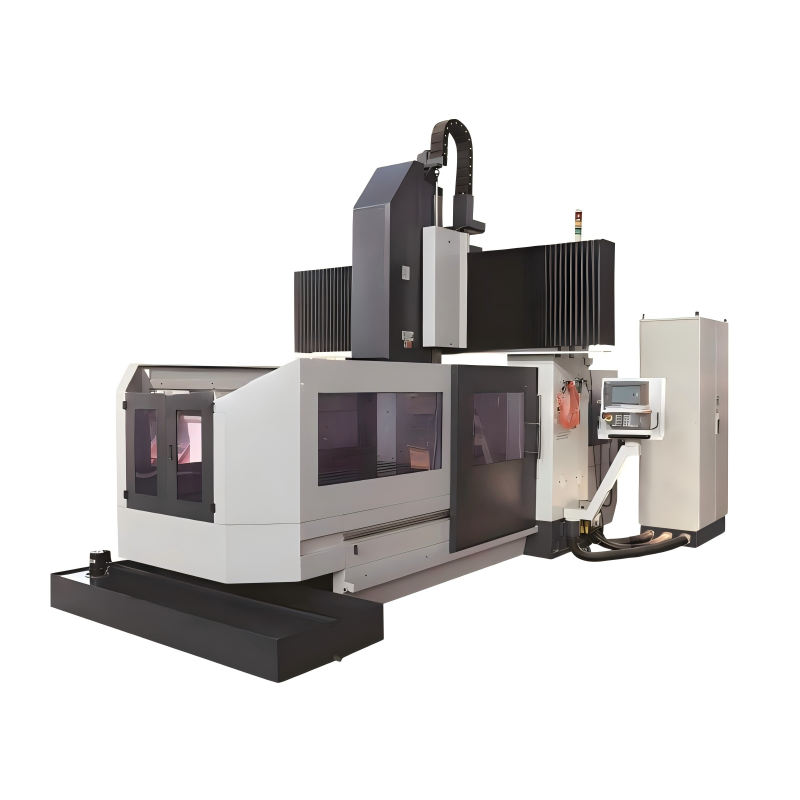
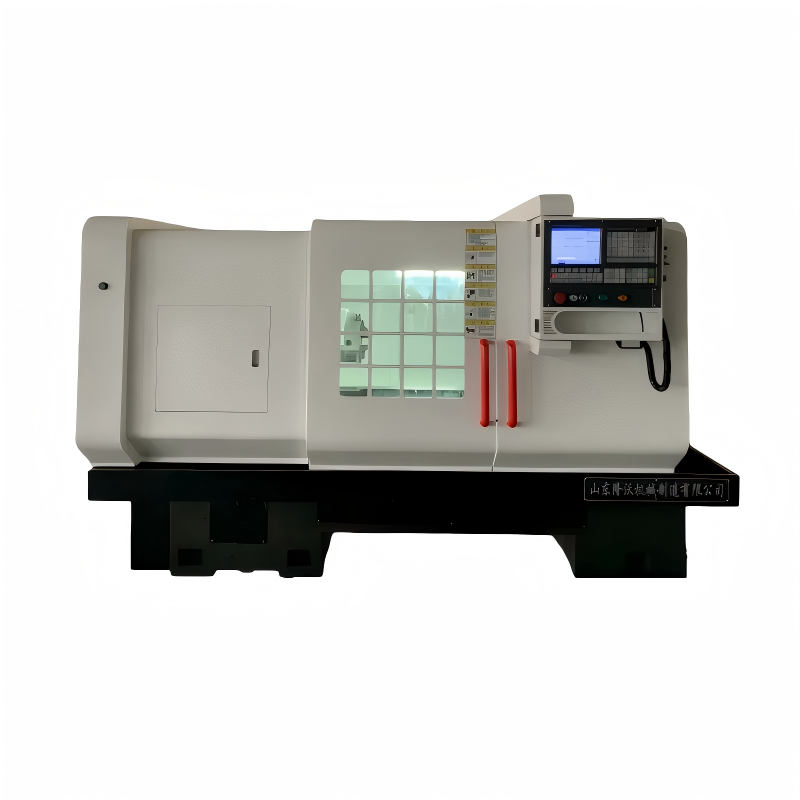
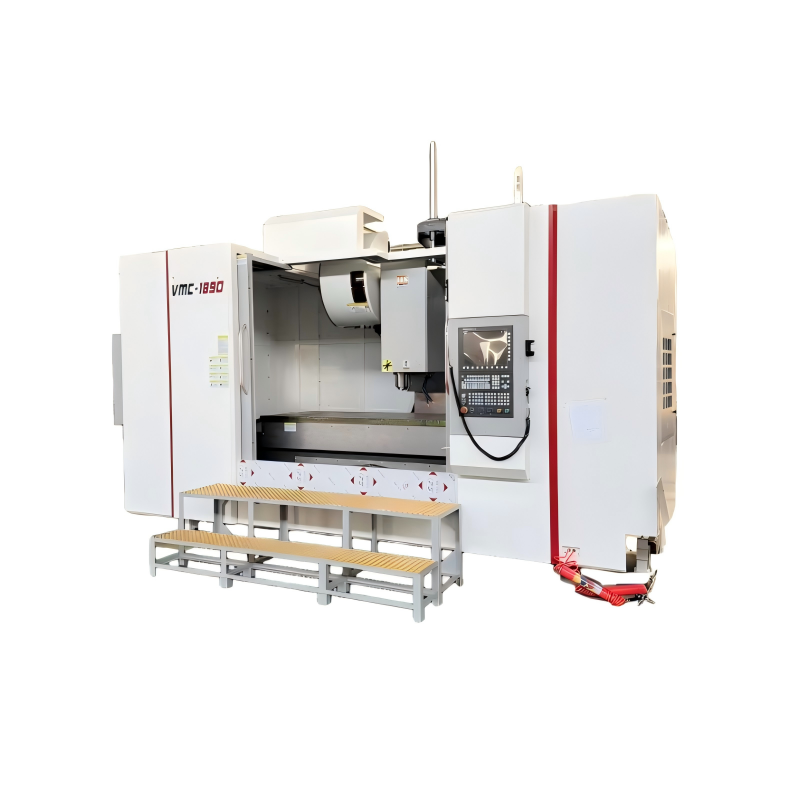
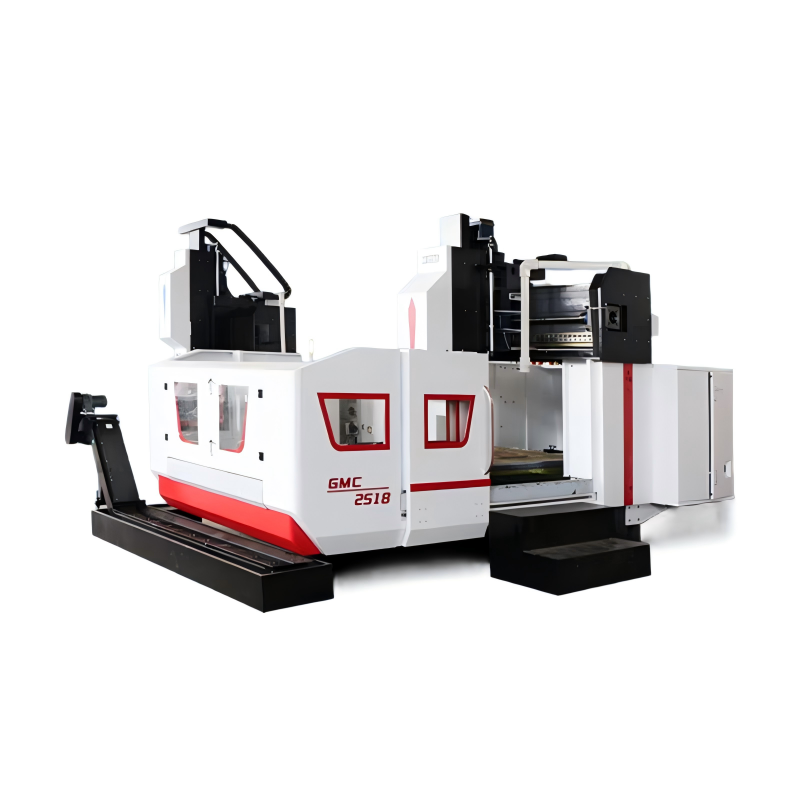
Oil Country Tubular Goods (OCTG) are a critical component in the oil and gas industry, used for drilling and production operations. The threading of these goods is a precise and essential process that ensures the integrity and efficiency of the wellbore. This technical report will explore how an Oil country tubular goods threading lathe enhances drilling efficiency by focusing on several key aspects.
The primary advantage of using an Oil Country Tubular Goods Threading Lathe is the enhanced precision and consistency it provides. Traditional manual threading methods can be prone to human error, leading to variations in thread quality. An OCTG threading lathe, on the other hand, uses advanced computer numerical control (CNC) technology to ensure that each thread is machined to exact specifications. This level of precision is crucial because even minor deviations in thread geometry can lead to issues such as leakage or joint failure during drilling operations. By maintaining consistent thread quality, the risk of such failures is significantly reduced, thereby enhancing overall drilling efficiency.
Furthermore, the use of CNC technology allows for the creation of complex thread profiles that are tailored to specific drilling conditions. For example, certain threads may be designed to provide better resistance to high torque or to withstand harsh downhole environments. The ability to produce these specialized threads with high accuracy contributes to the reliability and performance of the tubular goods, ultimately improving the efficiency of the drilling process.
Another significant benefit of using an Oil Country Tubular Goods Threading Lathe is the increased productivity and reduced downtime it offers. Manual threading processes can be time-consuming and labor-intensive, often requiring multiple operators and frequent tool changes. In contrast, a modern OCTG threading lathe is highly automated and can operate continuously with minimal supervision. This automation not only speeds up the threading process but also reduces the need for manual intervention, which can be a source of errors and delays.
Additionally, the use of multi-axis lathes allows for the simultaneous machining of multiple features, further increasing throughput. For instance, a single setup can be used to machine both the internal and external threads, as well as any necessary sealing surfaces. This integrated approach minimizes the number of setups required, reducing the overall cycle time and increasing the number of tubular goods that can be produced in a given period. As a result, the drilling operation can proceed more smoothly, with fewer interruptions due to equipment or supply shortages.
Efficient material utilization is another key factor in enhancing drilling efficiency, and an Oil Country Tubular Goods Threading Lathe plays a vital role in this aspect. Traditional threading methods often result in a significant amount of material waste, as the process may require additional stock to account for inaccuracies and rework. With the precision and consistency provided by a threading lathe, the amount of material waste is minimized. This not only reduces the cost of raw materials but also decreases the environmental impact of the manufacturing process.
Beyond material savings, the use of a threading lathe can also lead to cost efficiencies in other areas. For example, the reduced need for rework and the lower likelihood of defects mean that fewer resources are required for quality control and inspection. Additionally, the longer lifespan and higher reliability of the threaded tubular goods can result in lower maintenance and replacement costs over the life of the well. These cost savings can be substantial, particularly in large-scale drilling operations where the volume of tubular goods used is high.
Modern Oil Country Tubular Goods Threading Lathes are equipped with advanced monitoring and quality control systems that further enhance drilling efficiency. These systems include real-time sensors and data analytics, which allow for continuous monitoring of the threading process. Parameters such as cutting force, spindle speed, and temperature can be closely monitored to detect any deviations from the desired specifications. If an issue is detected, the system can automatically adjust the process parameters or alert the operator to take corrective action.
This level of monitoring and control is invaluable in ensuring that the final product meets the highest standards of quality. It also enables the identification of potential issues before they become major problems, reducing the risk of costly downtime and rework. Moreover, the data collected during the threading process can be used for continuous improvement, allowing manufacturers to refine their processes and further enhance the efficiency and reliability of their products.
In conclusion, the use of an Oil Country Tubular Goods Threading Lathe is a critical factor in enhancing drilling efficiency. By providing enhanced precision and consistency, increasing productivity and reducing downtime, improving material utilization and cost efficiency, and enabling advanced monitoring and quality control, these lathes play a pivotal role in the success of drilling operations. As the demand for oil and gas continues to grow, the importance of reliable and efficient drilling equipment cannot be overstated. Investing in advanced OCTG threading lathes is a strategic decision that can yield significant benefits in terms of both operational efficiency and long-term cost savings.
 17/06/2026
In the dynamic landscape of oil and gas exploration, the role of specialized machinery in enhancing efficiency and safety cannot be overstated. Among these, the oil country tubular goods threading lathe (OCTG threading lathe) stands out as a critical comp
Read More17/06/2026Oil country tubular goods (OCTG) threading lathes are essential machines in the oil and gas industry, used for precision threading of pipes and tubes. Proper maintenance is crucial to ensure these lathes operate efficiently and produce high-quality thread
Read More17/06/2026The manufacturing of oil country tubular goods (OCTG) is a critical process in the oil and gas industry, requiring precision, durability, and reliability. The threading lathe for OCTG plays a pivotal role in this process, ensuring that the connections bet
Read More16/06/2026In the realm of oil and gas exploration, the quality and precision of Oil Country Tubular Goods (OCTG) are paramount. Among the various manufacturing processes, threading lathes play a crucial role in ensuring that OCTG components meet the stringent stand
Read More16/06/2026Oil country tubular goods (OCTG) are critical components in the oil and gas industry, used for drilling, well completion, and production. The quality and precision of these tubulars are paramount to ensure the safety and efficiency of operations. One of t
Read More16/06/2026The manufacturing of oil country tubular goods (OCTG) is a critical process in the energy sector, requiring precision, reliability, and durability. One of the key pieces of equipment used in this process is the threading lathe, which plays an indispensabl
Read More16/06/2026In the realm of oil and gas exploration, the quality and efficiency of equipment play a critical role in ensuring operational success. One such piece of equipment that stands out is the Oil Country Tubular Goods (OCTG) threading lathe. This advanced machi
Read More16/06/2026The Evolution of Threading Technology in Oil Country Tubular GoodsThe oil and gas industry is one of the most technologically advanced sectors, constantly evolving to meet the demands of exploration and production. A key component in this industry's machi
Read MoreOur professional sales team is always ready to assist you.