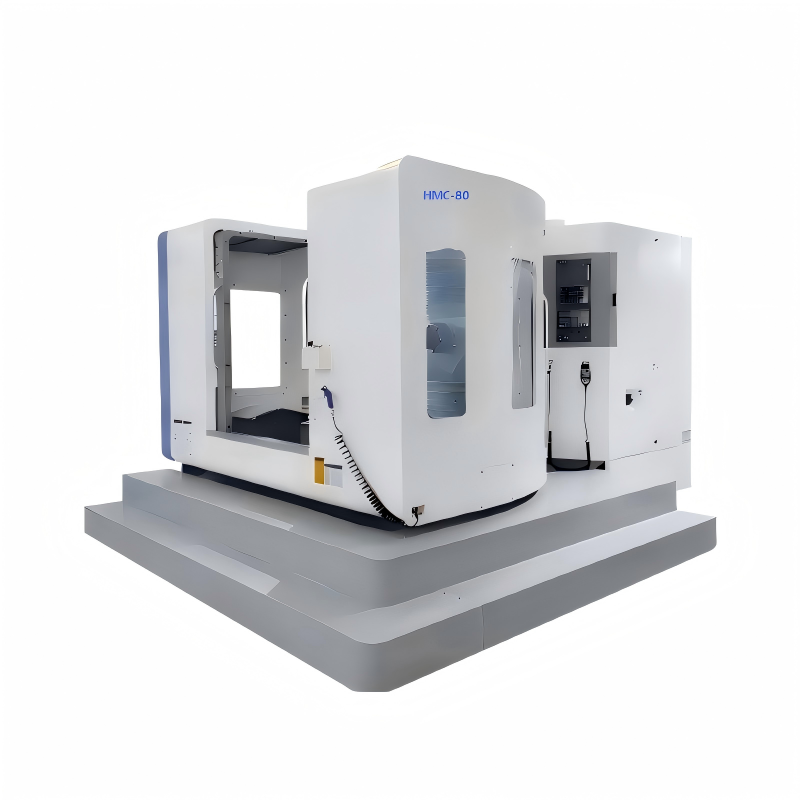
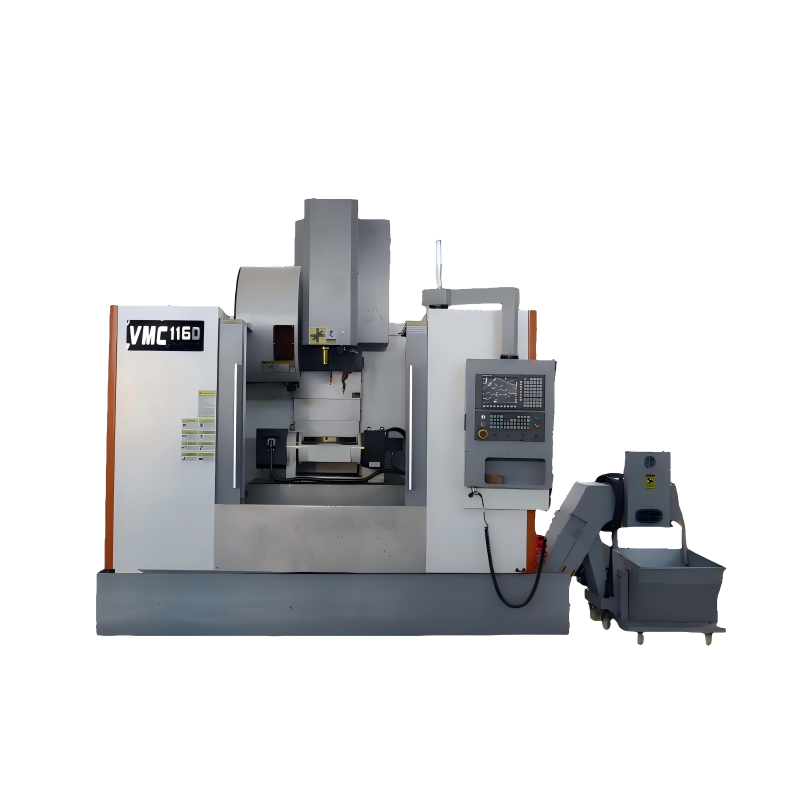
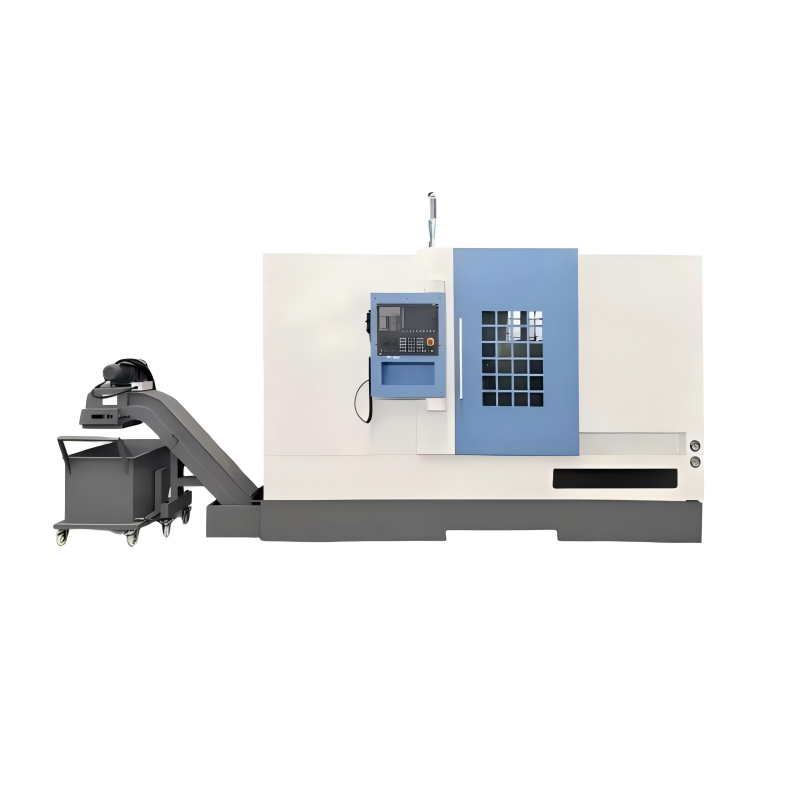
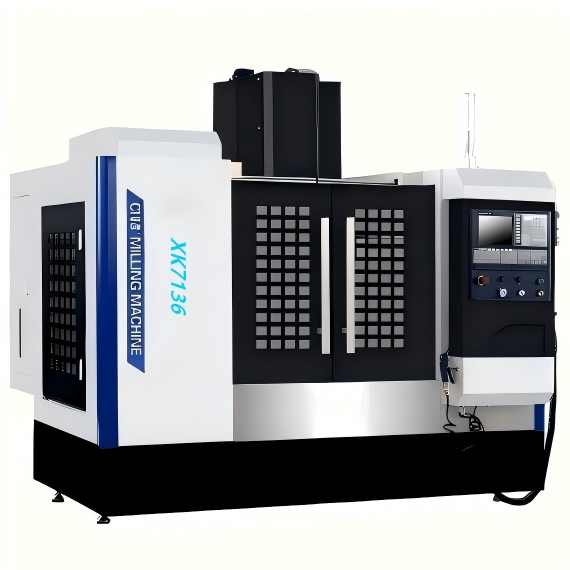
In the realm of manufacturing, Machining Center technology has emerged as a cornerstone for precision and efficiency. This report delves into the multifaceted advantages and applications of modern machining centers, highlighting how these advanced machines have transformed industrial production. From increased productivity to enhanced accuracy, the benefits of using machining centers are numerous. Moreover, this document explores the specific applications across various industries, showcasing the versatility and adaptability of these tools. By examining the technical capabilities, operational efficiencies, and the impact on product quality, this report aims to provide a comprehensive understanding of why modern machining centers are indispensable in today's manufacturing landscape.
The journey of machining center technology dates back to the early 20th century, with the invention of the first numerically controlled (NC) machine. Over the decades, these machines have evolved significantly, transitioning from simple NC machines to the sophisticated Machining Center systems we see today. The integration of computer-aided design (CAD) and computer-aided manufacturing (CAM) software has been a pivotal development, enabling more precise and complex operations.
Modern machining centers are equipped with advanced features such as multi-axis capabilities, high-speed spindles, and automated tool changers. These features not only enhance the precision and speed of operations but also reduce the need for manual intervention, thereby increasing overall efficiency. Additionally, the use of real-time monitoring and data analytics allows for predictive maintenance, minimizing downtime and optimizing performance.
The future of machining center technology is promising, with ongoing research and development focusing on further advancements. Key areas of innovation include the integration of artificial intelligence (AI) and machine learning (ML) algorithms to improve decision-making and automation. Furthermore, the adoption of Industry 4.0 principles, such as the Internet of Things (IoT) and cloud computing, will enable seamless connectivity and data exchange, leading to more intelligent and flexible manufacturing processes.
One of the primary benefits of modern Machining Center technology is its ability to perform high-speed operations. Advanced spindle designs and optimized cutting tools allow for faster material removal rates, reducing cycle times and increasing throughput. This is particularly advantageous in high-volume production environments where time is a critical factor.
Automation is another key driver of productivity in machining centers. Features such as automatic tool changers, pallet changers, and robotic arms minimize the need for human intervention, allowing for continuous, uninterrupted operation. This not only reduces labor costs but also enhances safety by minimizing the risk of operator errors and injuries.
Modern machining centers are designed to be highly versatile, capable of handling a wide range of materials and part geometries. This flexibility is achieved through modular tooling systems and programmable controls, which can be easily adapted to different production requirements. As a result, manufacturers can quickly switch between different jobs, reducing setup times and improving overall efficiency.
The use of advanced Computer Numerical Control (CNC) programming in Machining Center technology ensures high levels of accuracy and repeatability. CNC programs can be precisely tailored to meet specific tolerances and surface finish requirements, resulting in consistent and high-quality parts. This level of precision is crucial in industries such as aerospace, automotive, and medical, where even the slightest deviation can have significant consequences.
Modern machining centers are equipped with sensors and monitoring systems that provide real-time data on machine performance and part quality. This data can be analyzed to identify potential issues before they become critical, allowing for proactive adjustments and maintenance. Additionally, the use of data analytics enables continuous improvement, as manufacturers can track trends and optimize processes over time.
The stringent quality control measures enabled by machining center technology ensure that parts meet the highest standards of quality and compliance. This is particularly important in regulated industries, where adherence to strict specifications is mandatory. By leveraging advanced metrology tools and inspection techniques, manufacturers can verify that each part meets the required tolerances and standards, ensuring customer satisfaction and regulatory compliance.
In the aerospace and defense sectors, Machining Center technology plays a crucial role in the production of high-precision components. The ability to handle exotic materials, such as titanium and composites, and achieve tight tolerances makes machining centers ideal for manufacturing aircraft parts, missile components, and other critical assemblies. The reliability and accuracy of these machines are essential for ensuring the safety and performance of aerospace and defense systems.
The automotive industry is another major beneficiary of machining center technology. These machines are used to produce a wide range of components, including engine blocks, transmission housings, and suspension parts. The high-speed and high-precision capabilities of machining centers enable manufacturers to produce large volumes of parts with consistent quality, meeting the demanding requirements of the automotive market.
In the medical and biotechnology fields, machining centers are used to manufacture intricate and precise components, such as surgical instruments, implants, and diagnostic equipment. The ability to work with a variety of materials, including stainless steel, titanium, and biocompatible polymers, is crucial for producing parts that meet the stringent requirements of the healthcare industry. The precision and reliability of machining centers ensure that these components are both functional and safe for use in medical applications.
Modern Machining Center technology has revolutionized the manufacturing industry, offering unparalleled precision, efficiency, and versatility. The evolution of these machines, driven by advancements in CNC programming, automation, and data analytics, has led to significant improvements in productivity and quality control. As the technology continues to advance, the applications of machining centers are expanding across various industries, from aerospace and automotive to medical and biotechnology. By embracing these innovations, manufacturers can stay competitive and meet the growing demands of the global market.
 10/06/2026
In today's rapidly evolving industrial landscape, machining centers have become indispensable tools for manufacturing precision components across various sectors. This report delves into the multifaceted role of machining centers, exploring their impact o
Read More08/06/2026A high-performance machining center is an essential asset for any modern manufacturing facility, offering unparalleled precision, efficiency, and versatility. When selecting a machining center, it's crucial to consider several key features that will ensur
Read More07/06/2026In the realm of precision engineering, the advent of advanced machining centers has heralded a new era of efficiency and accuracy. These sophisticated machines, equipped with cutting-edge technology, have transformed the way industries approach manufactur
Read More05/06/2026Choosing the right Machining Center for your specific needs is a critical decision that can significantly impact the efficiency, quality, and cost-effectiveness of your manufacturing processes. This guide aims to provide you with a comprehensive understan
Read More04/06/2026In the ever-evolving landscape of manufacturing, Machining Center innovations are playing a pivotal role in shaping the future. These advanced machines, designed to perform multiple operations with high precision and efficiency, are not only improving pro
Read More04/06/2026In the rapidly evolving aerospace industry, machining centers have emerged as pivotal tools for advancing manufacturing processes. These advanced machines not only enhance productivity but also play a crucial role in maintaining the high standards of prec
Read More03/06/2026IntroductionIn the realm of modern manufacturing, machining centers play a pivotal role in transforming raw materials into finished products. These advanced machines are designed to perform multiple operations such as milling, drilling, and turning, all w
Read More02/06/2026In today’s competitive manufacturing environment, the quest for enhancing product quality while simultaneously reducing operational costs has become a critical success factor. The integration of state-of-the-art machining centers into production processes
Read More01/06/2026In the realm of modern manufacturing, the role of a machining center, especially those controlled by Computer Numerical Control (CNC) systems, has become increasingly prominent. These machines are not just tools; they represent a significant leap in techn
Read More31/05/2026IntroductionThe machining center, a cornerstone of modern manufacturing, has evolved significantly over the years. With advancements in technology, these machines have become more efficient, versatile, and capable of handling complex tasks. This report ai
Read More30/05/2026IntroductionThe machining industry is on the cusp of a transformative era, driven by advancements in Machining Center technology. As we look towards the future, it becomes increasingly clear that innovations in this field will not only enhance productivit
Read More29/05/2026IntroductionThe selection of the right machining center is a critical decision for any manufacturing operation, as it directly impacts productivity, efficiency, and overall profitability. A machining center, also known as a CNC (Computer Numerical Control
Read More28/05/2026The automotive industry, a cornerstone of modern manufacturing, is experiencing an unprecedented transformation driven by the integration of advanced technologies. Among these, machining centers are playing a pivotal role in revolutionizing production pro
Read More26/05/2026In the realm of precision manufacturing, the machining center stands as a cornerstone technology, offering unparalleled versatility and efficiency. This document explores how modern advancements in machining centers are revolutionizing the industry, focus
Read MoreOur professional sales team is always ready to assist you.