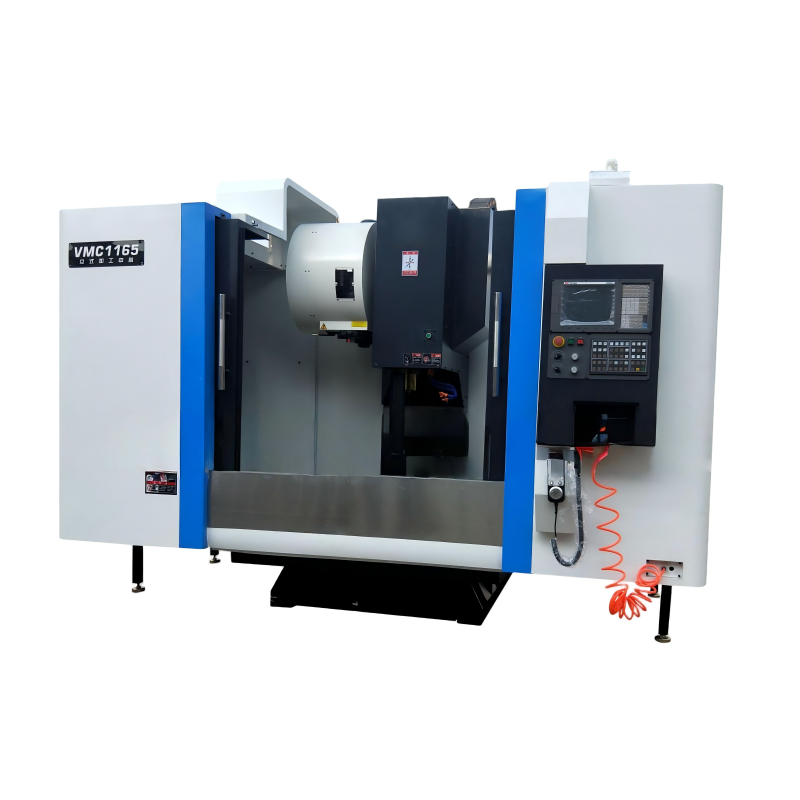
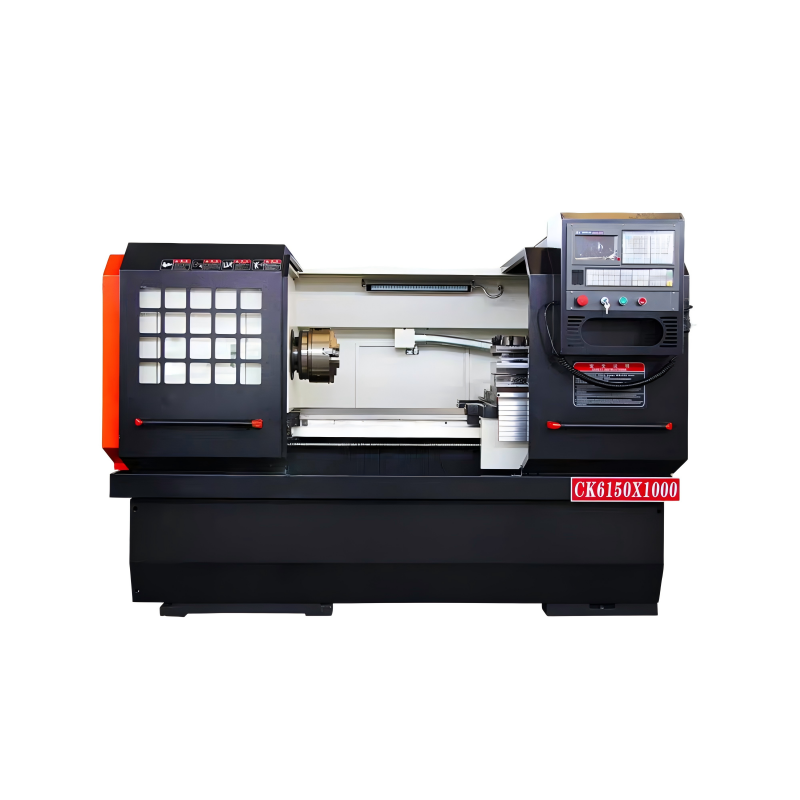
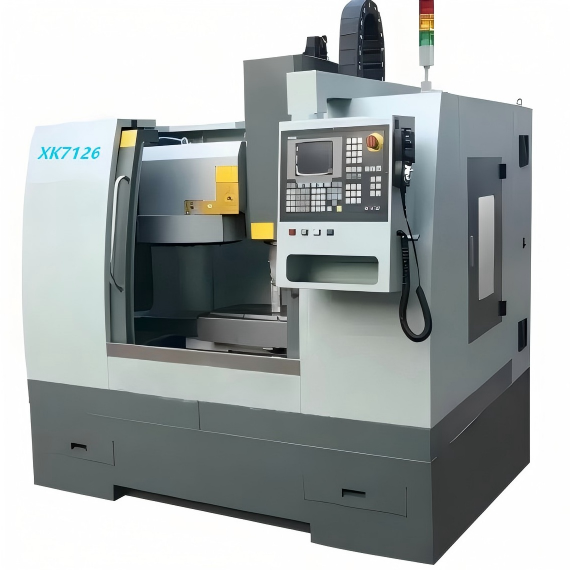
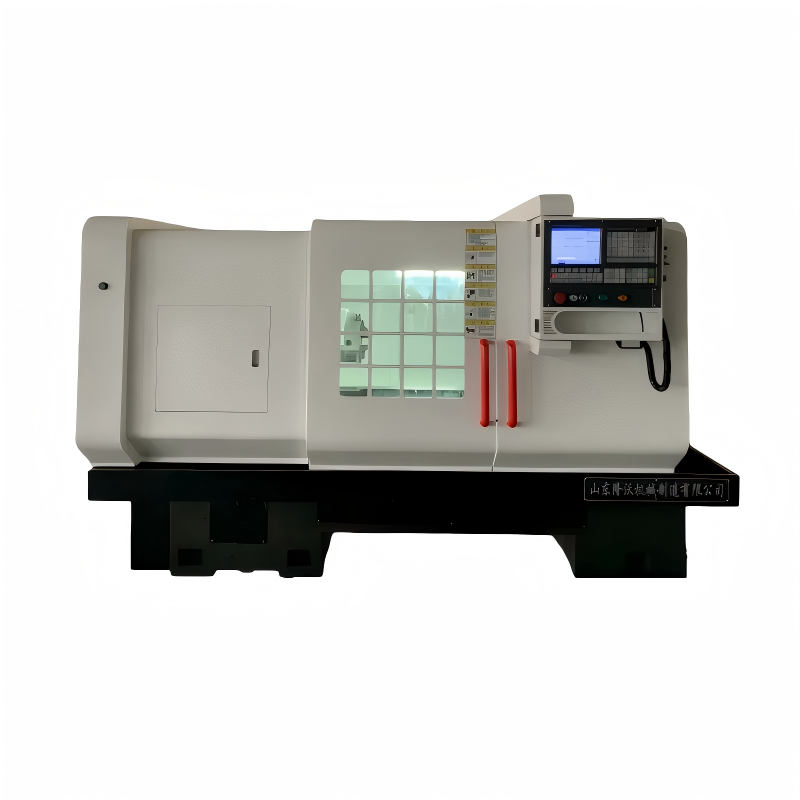
In the realm of precision engineering, the advent of advanced Machining Centers has heralded a new era of efficiency and accuracy. These sophisticated machines, equipped with cutting-edge technology, have transformed the way industries approach manufacturing processes. This report delves into how these advanced machining centers are revolutionizing precision engineering, focusing on their impact on productivity, quality, and innovation. By integrating automation, high-precision capabilities, and versatile functionalities, modern machining centers offer unparalleled advantages that are reshaping the landscape of manufacturing. This analysis will explore the key areas where these advancements are making the most significant difference, including enhanced production speeds, improved product quality, and the facilitation of complex design possibilities.
One of the most significant advantages of advanced machining centers is their ability to reduce setup times. With automated tool changers and multi-axis capabilities, these machines can switch between different operations seamlessly, minimizing downtime and maximizing throughput. This not only increases the overall efficiency of the production line but also allows for more flexible scheduling and faster response to market demands.
Advanced machining centers are designed to operate with minimal human intervention, which significantly enhances operational efficiency. Features such as automatic pallet changers, robotic loading and unloading systems, and integrated software solutions enable continuous, 24/7 operation. This round-the-clock capability ensures that the machine is always working at its full potential, leading to higher output and reduced labor costs.
The integration of advanced material handling systems in machining centers further boosts productivity. Automated systems for loading, unloading, and transporting materials reduce the need for manual labor and minimize the risk of errors. Additionally, these systems can be programmed to optimize the flow of materials, ensuring that the right components are available at the right time, thereby streamlining the entire production process.
Modern machining centers are equipped with state-of-the-art technologies that ensure high-accuracy machining. High-precision linear guides, advanced servo motors, and sophisticated control systems work together to achieve tolerances that were previously unattainable. This level of precision is crucial in industries such as aerospace, medical devices, and automotive, where even the slightest deviation can lead to catastrophic failures.
Consistency is key in precision engineering, and advanced machining centers deliver just that. With their robust construction and advanced error compensation algorithms, these machines maintain consistent performance over long periods. This reliability is essential for maintaining high-quality standards and meeting the stringent requirements of various industries. Regular maintenance and calibration further ensure that the machines continue to perform at their best, reducing the likelihood of defects and rework.
Integrated quality control and monitoring systems in machining centers provide real-time feedback and data analysis. Sensors and probes continuously monitor the machining process, detecting any deviations or anomalies. This immediate feedback allows for prompt corrective actions, ensuring that the final products meet the required specifications. Additionally, the data collected can be used for continuous improvement, helping manufacturers to refine their processes and achieve even higher levels of quality.
Advanced machining centers often feature multi-axis capabilities, allowing for the creation of complex geometries and intricate designs. Five-axis and even six-axis machines can perform simultaneous movements along multiple axes, enabling the machining of parts with complex contours and undercuts. This versatility opens up new possibilities for designers, allowing them to create innovative and highly functional components that were previously impossible to produce.
The speed and flexibility of advanced machining centers make them ideal for rapid prototyping. Engineers can quickly test and iterate on their designs, accelerating the product development cycle. This rapid iteration process allows for the identification and resolution of design issues early in the development phase, reducing the time and cost associated with bringing a product to market. Additionally, the ability to produce prototypes with high precision and quality ensures that the final product will meet the desired specifications.
Seamless integration with computer-aided design (CAD) and computer-aided manufacturing (CAM) systems is another key feature of advanced machining centers. This integration allows for the direct transfer of design data to the machine, eliminating the need for manual programming and reducing the potential for errors. CAD/CAM integration also enables the use of advanced simulation tools, which can predict the behavior of the material during the machining process and optimize the tool paths for maximum efficiency and accuracy. This synergy between design and manufacturing ensures that the final product is a true representation of the designer's vision.
 10/06/2026
In today's rapidly evolving industrial landscape, machining centers have become indispensable tools for manufacturing precision components across various sectors. This report delves into the multifaceted role of machining centers, exploring their impact o
Read More08/06/2026A high-performance machining center is an essential asset for any modern manufacturing facility, offering unparalleled precision, efficiency, and versatility. When selecting a machining center, it's crucial to consider several key features that will ensur
Read More06/06/2026In the realm of manufacturing, Machining Center technology has emerged as a cornerstone for precision and efficiency. This report delves into the multifaceted advantages and applications of modern machining centers, highlighting how these advanced machine
Read More05/06/2026Choosing the right Machining Center for your specific needs is a critical decision that can significantly impact the efficiency, quality, and cost-effectiveness of your manufacturing processes. This guide aims to provide you with a comprehensive understan
Read More04/06/2026In the ever-evolving landscape of manufacturing, Machining Center innovations are playing a pivotal role in shaping the future. These advanced machines, designed to perform multiple operations with high precision and efficiency, are not only improving pro
Read More04/06/2026In the rapidly evolving aerospace industry, machining centers have emerged as pivotal tools for advancing manufacturing processes. These advanced machines not only enhance productivity but also play a crucial role in maintaining the high standards of prec
Read More03/06/2026IntroductionIn the realm of modern manufacturing, machining centers play a pivotal role in transforming raw materials into finished products. These advanced machines are designed to perform multiple operations such as milling, drilling, and turning, all w
Read More02/06/2026In today’s competitive manufacturing environment, the quest for enhancing product quality while simultaneously reducing operational costs has become a critical success factor. The integration of state-of-the-art machining centers into production processes
Read More01/06/2026In the realm of modern manufacturing, the role of a machining center, especially those controlled by Computer Numerical Control (CNC) systems, has become increasingly prominent. These machines are not just tools; they represent a significant leap in techn
Read More31/05/2026IntroductionThe machining center, a cornerstone of modern manufacturing, has evolved significantly over the years. With advancements in technology, these machines have become more efficient, versatile, and capable of handling complex tasks. This report ai
Read More30/05/2026IntroductionThe machining industry is on the cusp of a transformative era, driven by advancements in Machining Center technology. As we look towards the future, it becomes increasingly clear that innovations in this field will not only enhance productivit
Read More29/05/2026IntroductionThe selection of the right machining center is a critical decision for any manufacturing operation, as it directly impacts productivity, efficiency, and overall profitability. A machining center, also known as a CNC (Computer Numerical Control
Read More28/05/2026The automotive industry, a cornerstone of modern manufacturing, is experiencing an unprecedented transformation driven by the integration of advanced technologies. Among these, machining centers are playing a pivotal role in revolutionizing production pro
Read More26/05/2026In the realm of precision manufacturing, the machining center stands as a cornerstone technology, offering unparalleled versatility and efficiency. This document explores how modern advancements in machining centers are revolutionizing the industry, focus
Read MoreOur professional sales team is always ready to assist you.