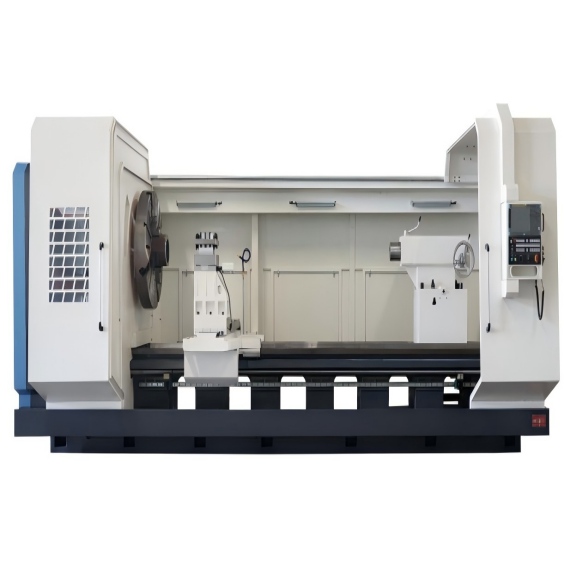
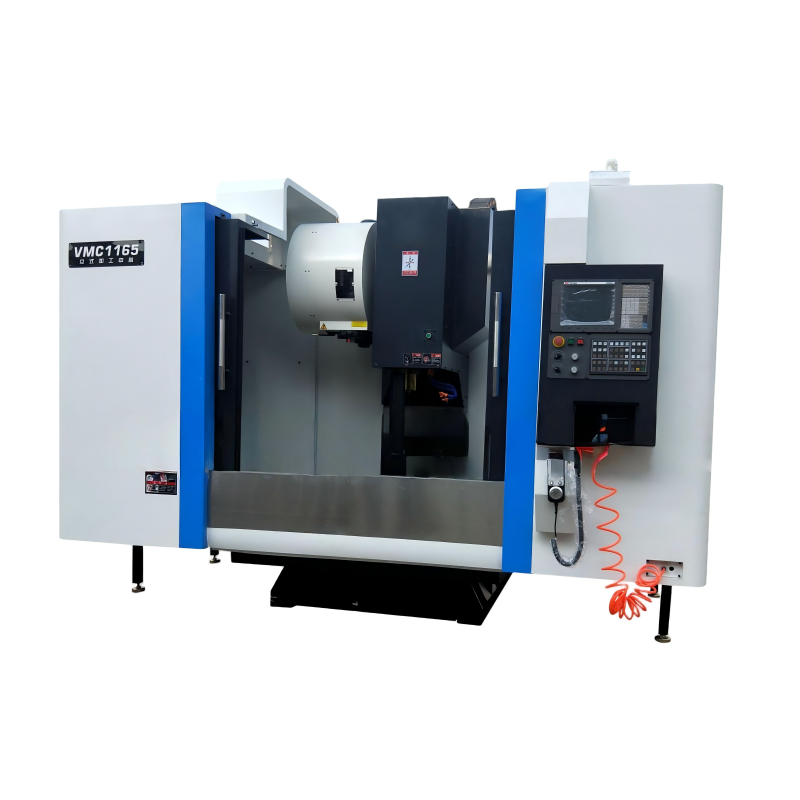
Mastering the art of threading with a pipe thread lathe is essential for professionals in the plumbing, manufacturing, and engineering industries. This technical report delves into the intricacies of using a pipe thread lathe to produce high-quality threads on pipes and other cylindrical objects. It covers the selection of the right lathe, setup, operational techniques, and maintenance practices. The aim is to provide a comprehensive guide that enhances the user's ability to achieve precise and durable threads, thereby improving the overall quality and efficiency of their work.
When it comes to selecting a pipe thread lathe, it’s important to understand the different types available. Manual lathes, CNC (Computer Numerical Control) lathes, and semi-automatic lathes are the most common. Each type has its own advantages and is suitable for different applications. For instance, manual lathes offer greater control and flexibility, making them ideal for small-scale or custom projects. On the other hand, CNC Lathes are more efficient for high-volume production, as they can automate the threading process with high precision and repeatability. Semi-automatic lathes fall somewhere in between, offering a balance of manual control and automation.
Regardless of the type of lathe, certain key features should be considered. These include the spindle speed, which affects the quality and speed of the threading; the bed length, which determines the maximum length of the pipe that can be threaded; and the tool post, which holds the cutting tools and must be robust and easy to adjust. Additionally, the presence of a digital readout (DRO) system can significantly enhance accuracy by providing real-time feedback on the position of the cutting tool. Other features such as coolant systems and automatic feed mechanisms can also improve the overall performance and longevity of the lathe.
Before starting any threading operation, it is crucial to ensure that the lathe is properly set up and all safety measures are in place. This includes securing the pipe in the chuck or collet, ensuring that it is centered and held firmly to prevent any movement during the threading process. The work area should be clean and free of clutter, and the operator should wear appropriate personal protective equipment (PPE), such as safety glasses, gloves, and hearing protection. Additionally, the lathe should be inspected for any signs of wear or damage, and any necessary repairs or adjustments should be made before use.
Proper calibration and alignment of the lathe are essential for achieving accurate and consistent threads. The first step is to ensure that the lathe is level and stable. This can be done using a spirit level and adjusting the feet of the lathe if necessary. Next, the cutting tool should be correctly aligned with the pipe. This involves setting the tool at the correct height and angle, and ensuring that it is perpendicular to the axis of the pipe. The tool holder should be securely fastened, and the tool should be sharp and in good condition. Finally, the carriage and cross-slide should be adjusted to ensure smooth and precise movement along the length of the pipe.
The success of the threading process depends heavily on the selection of the correct cutting parameters. These include the cutting speed, feed rate, and depth of cut. The cutting speed, typically measured in surface feet per minute (SFM), should be chosen based on the material being threaded. For example, softer materials like brass or aluminum can be cut at higher speeds, while harder materials like steel require slower speeds to prevent overheating and tool wear. The feed rate, which is the rate at which the tool moves along the pipe, should be set to ensure a smooth and even thread. The depth of cut, or the amount of material removed in each pass, should be carefully controlled to avoid excessive heat and tool wear. A general rule of thumb is to start with a shallow depth of cut and gradually increase it as needed.
Once the lathe is set up and the cutting parameters are established, the actual threading process can begin. The operator should start the lathe at a low speed and slowly engage the cutting tool with the pipe. The tool should be fed into the pipe in a steady and controlled manner, following the desired thread pitch. It is important to maintain a consistent feed rate and depth of cut throughout the process to ensure uniformity. The operator should also periodically check the quality of the thread, looking for any signs of chipping, tearing, or unevenness. If issues arise, the lathe should be stopped, and the problem should be addressed before continuing. Once the threading is complete, the pipe should be carefully removed from the lathe and inspected for quality and accuracy.
To ensure the longevity and optimal performance of the pipe thread lathe, regular maintenance is essential. This includes cleaning the lathe after each use to remove any chips, dust, or debris. The moving parts, such as the carriage, cross-slide, and lead screw, should be lubricated regularly to prevent wear and ensure smooth operation. The cutting tools should be inspected and sharpened or replaced as needed to maintain their effectiveness. Additionally, the lathe should be checked for any signs of wear or damage, such as loose bolts, worn bearings, or misaligned components. Any issues should be addressed promptly to prevent further damage and ensure safe operation.
Despite careful setup and operation, issues can still arise during the threading process. One common issue is thread chatter, which occurs when the tool vibrates excessively, resulting in an uneven thread. This can be resolved by reducing the cutting speed, increasing the feed rate, or adjusting the tool holder to reduce vibration. Another common issue is thread breakage, which can occur due to excessive heat or improper cutting parameters. To prevent this, the cutting speed and feed rate should be adjusted, and the use of a coolant can help to dissipate heat. Additionally, ensuring that the pipe is securely held and that the cutting tool is sharp and properly aligned can help to prevent breakage. By addressing these issues promptly and implementing proper maintenance practices, the pipe thread lathe can continue to produce high-quality threads consistently.
 08/06/2026
In the realm of metalworking and pipe manufacturing, the pipe thread lathe plays a crucial role in creating precise threads for pipes. This technical report aims to explore best practices that can significantly enhance productivity for operators using a p
Read More08/06/2026When working with a pipe thread lathe, precision and accuracy are paramount. However, even experienced machinists can make mistakes that compromise the quality of the threads. This report aims to identify common errors made during the operation of a pipe
Read More07/06/2026As the manufacturing industry continues to evolve, so does the technology behind pipe thread lathes. These machines play a crucial role in creating precise threads on pipes and other cylindrical components, making them indispensable for industries such as
Read More06/06/2026In the realm of precision engineering, the advent of CNC (Computer Numerical Control) technology has dramatically transformed the manufacturing landscape. One such innovation that stands out is the CNC Pipe Thread Lathe, a sophisticated machine designed t
Read More06/06/2026When it comes to setting up or upgrading your workshop, choosing the right Pipe Thread Lathe is a critical decision. This machine not only influences the quality and efficiency of your work but also affects the overall productivity of your operations. In
Read More06/06/2026Ensuring the longevity and optimal performance of your pipe thread lathe is crucial for maintaining productivity in any workshop. This guide delves into essential maintenance tips, covering everything from regular cleaning to calibration, aimed at helping
Read More05/06/2026Exploring the advanced capabilities of SGS certified CNC lathes, this article delves into how these machines, particularly those specialized in pipe thread lathe operations, can significantly enhance precision and efficiency in manufacturing processes. Th
Read More05/06/2026In today's fast-paced manufacturing environment, the demand for high-precision and efficient machinery has never been greater. The Pipe Thread Lathe stands out as a critical tool in achieving these goals, especially when it comes to producing threaded pip
Read More05/06/2026A Comprehensive Guide to Operating a Pipe Thread Lathe provides an in-depth look into the intricacies of using this specialized machinery. This guide is designed for both beginners and experienced operators, offering step-by-step instructions, safety tips
Read More05/06/2026In the realm of modern machining, pipe thread lathes play a pivotal role in producing high-precision threads for various industrial applications. This technical report explores the evolution and importance of pipe thread lathes, highlighting their advance
Read More04/06/2026In the realm of precision machining, mastering the use of a pipe thread lathe is essential for producing high-quality threaded components. This report delves into advanced techniques that can significantly enhance the accuracy and efficiency of pipe threa
Read More04/06/2026Understanding the basics of a pipe thread lathe is crucial for anyone involved in the manufacturing, repair, or maintenance of pipes and related components. A pipe thread lathe is a specialized machine used to create threads on the ends of pipes, ensuring
Read More28/05/2026A pipe thread lathe is a specialized piece of machinery used in the manufacturing and maintenance of pipes, especially for creating precise threading. Proper maintenance of this equipment is essential to ensure its longevity and optimal performance. This
Read More28/05/2026In the realm of precision engineering, mastering the art of pipe threading on a lathe is an essential skill for any machinist. This technique not only demands a high level of accuracy but also requires a deep understanding of the tools and processes invol
Read More28/05/2026Understanding the basics of pipe thread lathe operations is crucial for anyone involved in manufacturing or repairing pipes, as well as for those who wish to delve into the intricacies of machining. A Pipe Thread Lathe is a specialized machine designed to
Read MoreOur professional sales team is always ready to assist you.