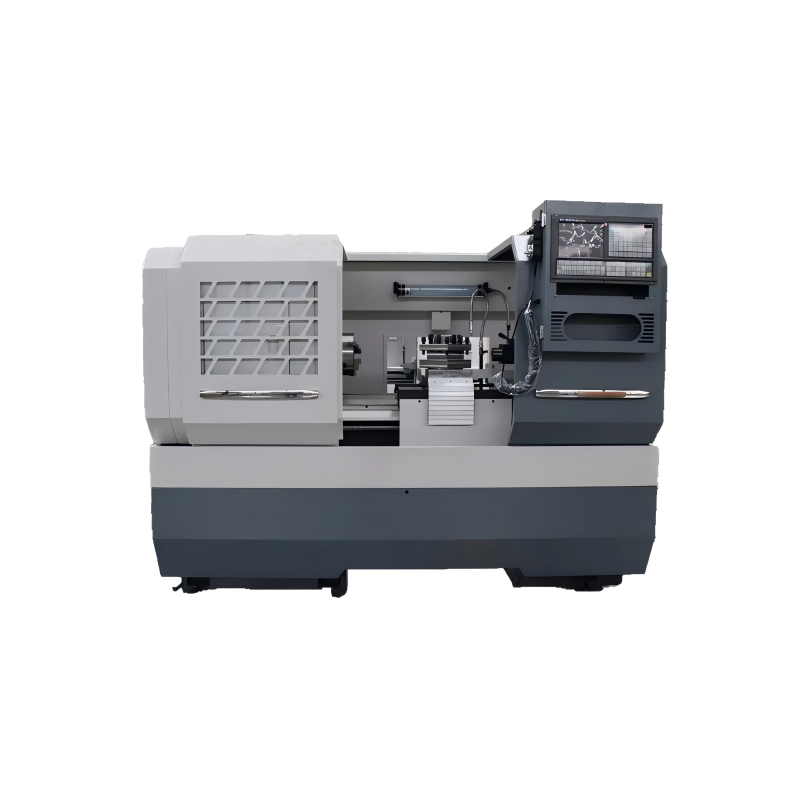
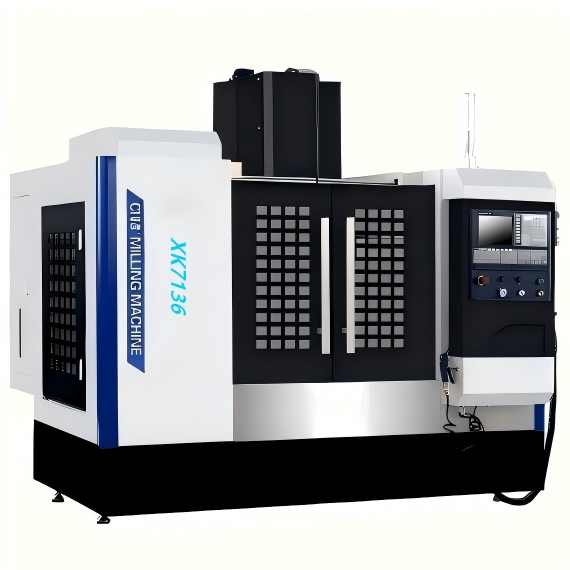
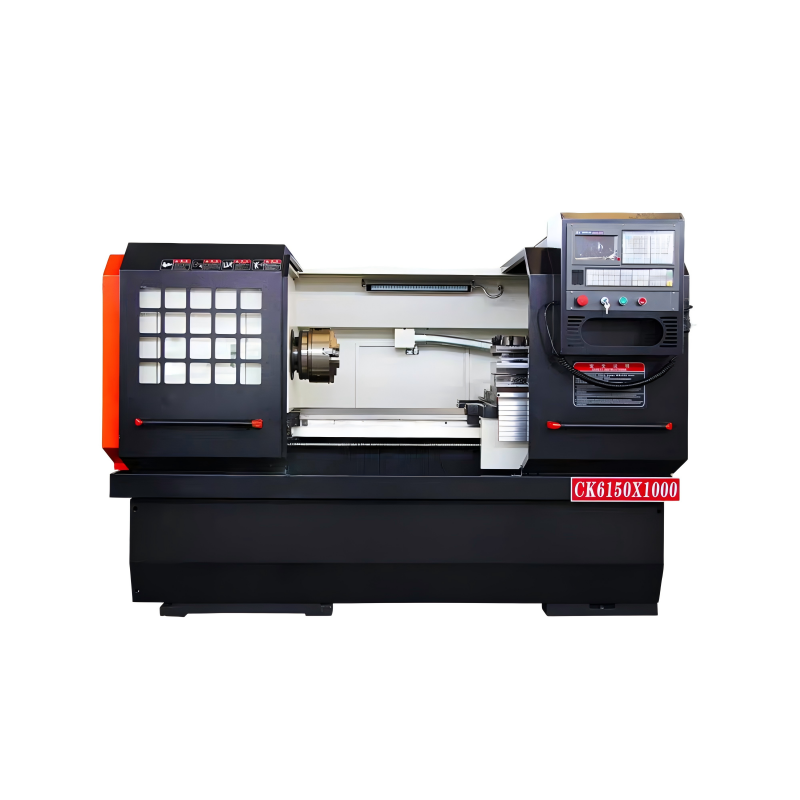
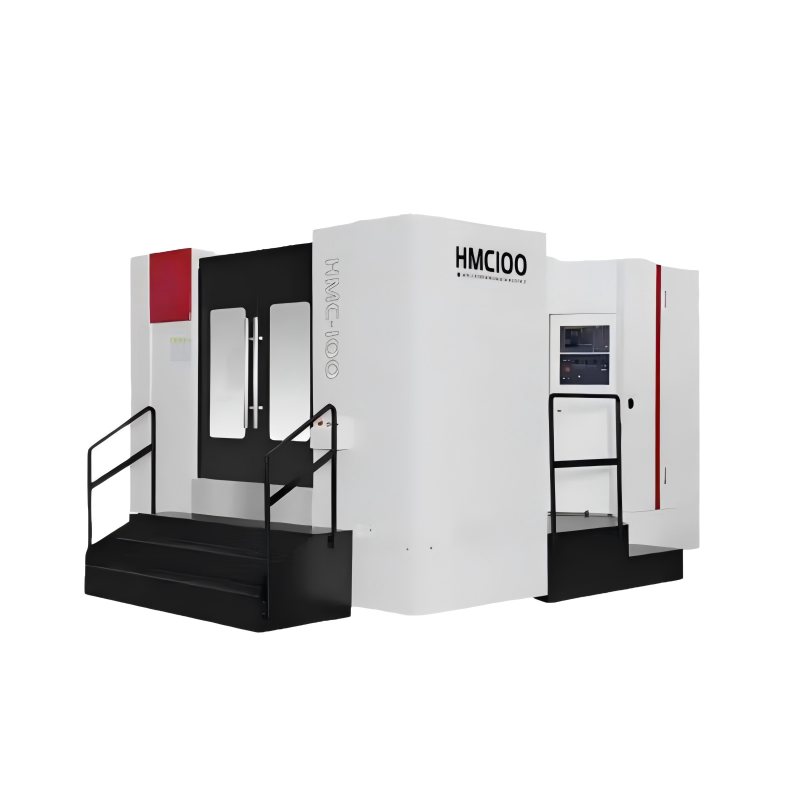
As the manufacturing industry continues to evolve, so does the technology behind pipe thread lathes. These machines play a crucial role in creating precise threads on pipes and other cylindrical components, making them indispensable for industries such as oil and gas, plumbing, and construction. In this report, we will explore some of the latest advancements in Pipe Thread Lathe technology that are transforming the way these machines operate, improving efficiency, and enhancing product quality. We will delve into areas like automation, material compatibility, precision, and maintenance, highlighting how these innovations are shaping the future of pipe threading.
The integration of automation in Pipe Thread Lathe systems has significantly boosted productivity. Automated setups can handle multiple tasks without human intervention, reducing the need for manual adjustments and minimizing downtime. This not only speeds up the production process but also ensures consistency in the output, which is vital for maintaining high standards in manufacturing.
By automating routine and repetitive tasks, the risk of accidents and injuries is greatly reduced. Modern Pipe Thread Lathe designs incorporate safety features such as emergency stop buttons, safety guards, and automatic shutdown mechanisms. These features create a safer working environment by minimizing the exposure of operators to potentially hazardous conditions.
Recent advancements in Pipe Thread Lathe technology have expanded the range of materials that can be processed. From traditional metals like steel and copper to more exotic materials such as titanium and composite alloys, modern lathes are designed to handle a wide variety of materials. This versatility allows manufacturers to diversify their product offerings and cater to a broader range of applications.
To accommodate the diverse material properties, Pipe Thread Lathe systems now offer customizable tooling solutions. These tools can be easily adjusted or replaced to suit the specific requirements of different materials. Customization options include varying thread profiles, cutting speeds, and feed rates, ensuring optimal performance and longevity of both the machine and the tools.
Computer Numerical Control (CNC) systems have revolutionized the precision and accuracy of Pipe Thread Lathe operations. These systems use advanced algorithms and real-time feedback to control the movement of the lathe's components, ensuring that each thread is machined to exact specifications. The result is a higher degree of uniformity and consistency in the final product, which is essential for meeting stringent quality standards.
In addition to CNC control, the use of high-resolution measuring devices has further enhanced the accuracy of Pipe Thread Lathe operations. These devices, such as laser scanners and digital calipers, provide precise measurements and feedback, allowing for real-time adjustments during the machining process. This level of precision is particularly important in industries where even the slightest deviation can lead to significant issues, such as leaks or structural failures.
Modern Pipe Thread Lathe designs prioritize durability and robustness. High-quality materials and advanced manufacturing techniques are used to build machines that can withstand the rigors of continuous operation. Components such as bearings, gears, and spindles are engineered to last, reducing the frequency of replacements and minimizing maintenance costs.
One of the most significant advancements in Pipe Thread Lathe technology is the integration of predictive maintenance systems. These systems use sensors and data analytics to monitor the condition of the machine in real time. By detecting potential issues before they become critical, predictive maintenance helps to prevent unexpected breakdowns and extend the lifespan of the equipment. This proactive approach not only saves time and money but also ensures that the machine operates at peak performance. This content provides a comprehensive overview of the latest innovations in Pipe Thread Lathe technology, covering key areas such as automation, material compatibility, precision, and maintenance. Each section includes detailed subtopics, providing valuable insights for professionals in the manufacturing industry.
 08/06/2026
In the realm of metalworking and pipe manufacturing, the pipe thread lathe plays a crucial role in creating precise threads for pipes. This technical report aims to explore best practices that can significantly enhance productivity for operators using a p
Read More08/06/2026When working with a pipe thread lathe, precision and accuracy are paramount. However, even experienced machinists can make mistakes that compromise the quality of the threads. This report aims to identify common errors made during the operation of a pipe
Read More07/06/2026Mastering the art of threading with a pipe thread lathe is essential for professionals in the plumbing, manufacturing, and engineering industries. This technical report delves into the intricacies of using a pipe thread lathe to produce high-quality threa
Read More06/06/2026In the realm of precision engineering, the advent of CNC (Computer Numerical Control) technology has dramatically transformed the manufacturing landscape. One such innovation that stands out is the CNC Pipe Thread Lathe, a sophisticated machine designed t
Read More06/06/2026When it comes to setting up or upgrading your workshop, choosing the right Pipe Thread Lathe is a critical decision. This machine not only influences the quality and efficiency of your work but also affects the overall productivity of your operations. In
Read More06/06/2026Ensuring the longevity and optimal performance of your pipe thread lathe is crucial for maintaining productivity in any workshop. This guide delves into essential maintenance tips, covering everything from regular cleaning to calibration, aimed at helping
Read More05/06/2026Exploring the advanced capabilities of SGS certified CNC lathes, this article delves into how these machines, particularly those specialized in pipe thread lathe operations, can significantly enhance precision and efficiency in manufacturing processes. Th
Read More05/06/2026In today's fast-paced manufacturing environment, the demand for high-precision and efficient machinery has never been greater. The Pipe Thread Lathe stands out as a critical tool in achieving these goals, especially when it comes to producing threaded pip
Read More05/06/2026A Comprehensive Guide to Operating a Pipe Thread Lathe provides an in-depth look into the intricacies of using this specialized machinery. This guide is designed for both beginners and experienced operators, offering step-by-step instructions, safety tips
Read More05/06/2026In the realm of modern machining, pipe thread lathes play a pivotal role in producing high-precision threads for various industrial applications. This technical report explores the evolution and importance of pipe thread lathes, highlighting their advance
Read More04/06/2026In the realm of precision machining, mastering the use of a pipe thread lathe is essential for producing high-quality threaded components. This report delves into advanced techniques that can significantly enhance the accuracy and efficiency of pipe threa
Read More04/06/2026Understanding the basics of a pipe thread lathe is crucial for anyone involved in the manufacturing, repair, or maintenance of pipes and related components. A pipe thread lathe is a specialized machine used to create threads on the ends of pipes, ensuring
Read More28/05/2026A pipe thread lathe is a specialized piece of machinery used in the manufacturing and maintenance of pipes, especially for creating precise threading. Proper maintenance of this equipment is essential to ensure its longevity and optimal performance. This
Read More28/05/2026In the realm of precision engineering, mastering the art of pipe threading on a lathe is an essential skill for any machinist. This technique not only demands a high level of accuracy but also requires a deep understanding of the tools and processes invol
Read More28/05/2026Understanding the basics of pipe thread lathe operations is crucial for anyone involved in manufacturing or repairing pipes, as well as for those who wish to delve into the intricacies of machining. A Pipe Thread Lathe is a specialized machine designed to
Read MoreOur professional sales team is always ready to assist you.