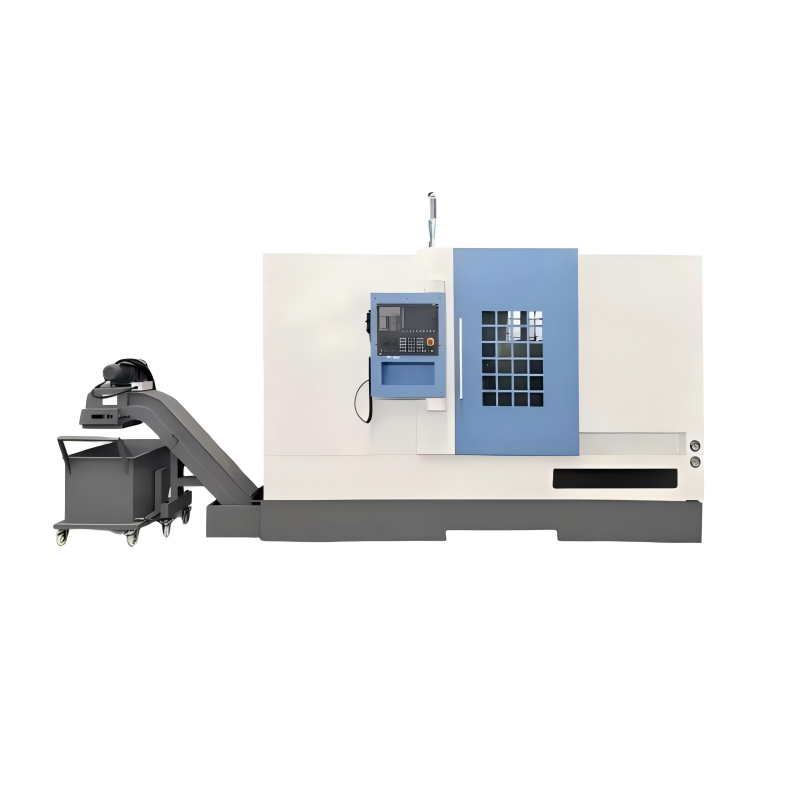
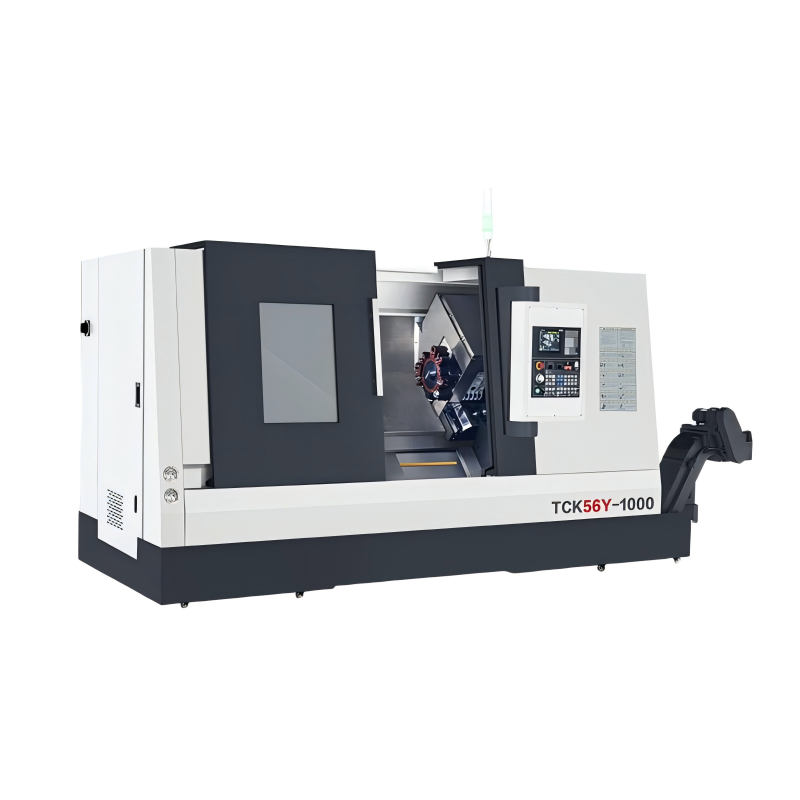
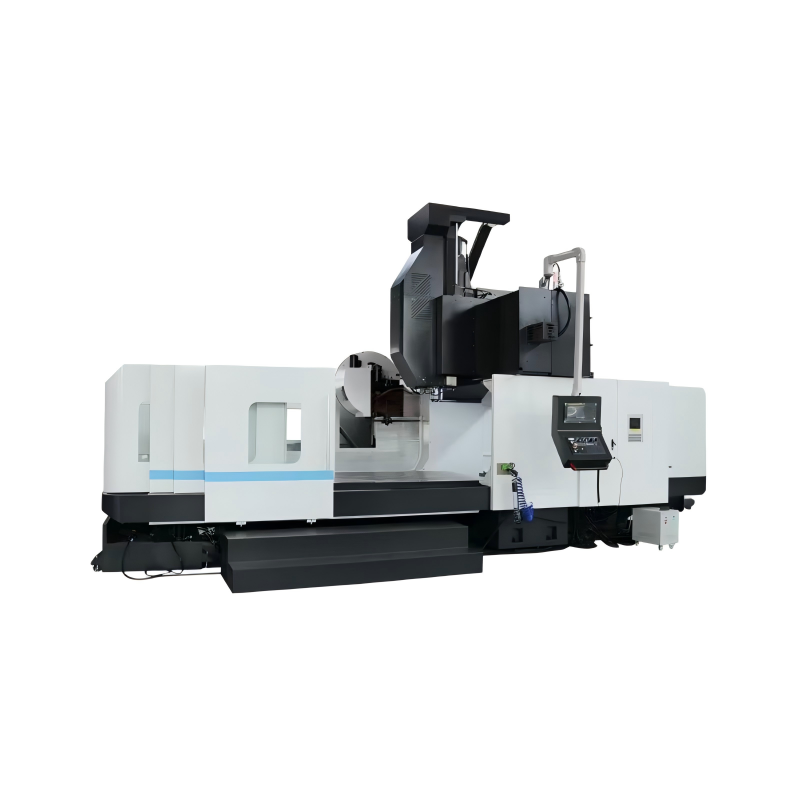
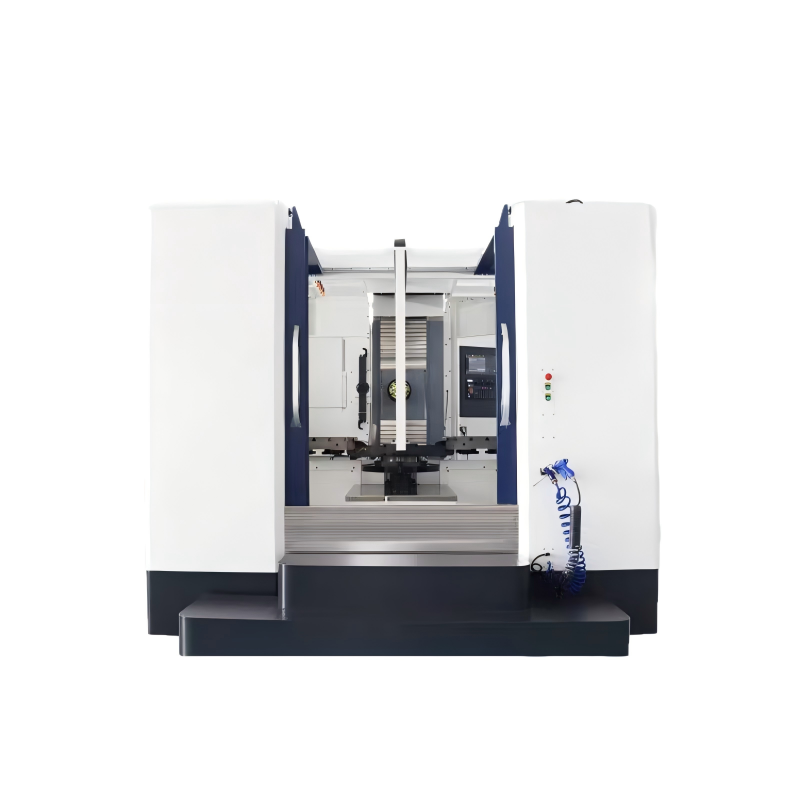
In today's fast-paced manufacturing environment, the demand for high-precision and efficient machinery has never been greater. The Pipe Thread Lathe stands out as a critical tool in achieving these goals, especially when it comes to producing threaded pipes with unparalleled accuracy. This report delves into the various aspects of maximizing efficiency using a precision Pipe Thread Lathe, from its operational principles to maintenance best practices, and how technological advancements are shaping the future of this essential equipment.
A Pipe Thread Lathe is specifically designed to create threads on the ends of pipes, ensuring that they can be connected securely and efficiently. This section will explore the basic functionality of a Pipe Thread Lathe, including its components and how they work together to produce high-quality threads.
To fully understand the operation of a Pipe Thread Lathe, it is important to familiarize oneself with its key components. These include the headstock, tailstock, carriage, and cutting tools. Each component plays a crucial role in the threading process, and their proper functioning is essential for achieving precision and efficiency.
Efficiency in the use of a Pipe Thread Lathe begins with proper setup. This section will cover the steps required to set up the lathe correctly, including aligning the pipe, adjusting the cutting tools, and setting the appropriate feed rates. By following these procedures, operators can ensure that the lathe is ready to produce high-quality threads consistently.
Once the Pipe Thread Lathe is set up, the next step is to operate it effectively. This involves understanding the correct speed settings, maintaining the right cutting pressure, and monitoring the threading process. Adhering to these best practices will help operators achieve optimal results and minimize the risk of errors or damage to the equipment.
To ensure that a Pipe Thread Lathe continues to operate at peak performance, regular maintenance is essential. This section will outline the recommended maintenance schedule, including tasks such as lubrication, cleaning, and inspection of wear and tear. By following a consistent maintenance routine, operators can extend the lifespan of the lathe and maintain its precision over time.
Over time, even the most well-maintained lathes may require calibration and adjustment to maintain their accuracy. This section will discuss the techniques and tools needed to calibrate a Pipe Thread Lathe, including the use of gauges and other measuring instruments. Proper calibration ensures that the lathe produces threads that meet the required specifications and tolerances.
Computer Numerical Control (CNC) technology has revolutionized the manufacturing industry, and Pipe Thread Lathes are no exception. This section will explore how CNC integration enhances the precision and efficiency of Pipe Thread Lathes. By automating the threading process, CNC Lathes can produce highly accurate and consistent threads, reducing the need for manual adjustments and minimizing human error.
Advancements in cutting tool technology and materials have also contributed to the improved performance of Pipe Thread Lathes. This section will discuss the latest developments in cutting tools, such as high-speed steel (HSS) and carbide inserts, and how they enhance the threading process. Additionally, we will look at the benefits of using advanced materials, which can withstand higher temperatures and pressures, leading to longer tool life and better thread quality.
Operating a Pipe Thread Lathe safely is paramount to protecting both the operator and the equipment. This section will cover the essential safety measures that should be implemented in the workplace, including the use of personal protective equipment (PPE), proper training, and adherence to safety protocols. By prioritizing safety, manufacturers can create a secure and productive working environment.
Adhering to industry standards and regulations is crucial for ensuring the quality and reliability of the products produced by a Pipe Thread Lathe. This section will discuss the relevant standards and certifications, such as ISO 9001 and ASME B1.20.1, and how compliance with these standards can help manufacturers meet customer expectations and regulatory requirements. Compliance not only ensures the quality of the final product but also builds trust and credibility in the market.
The field of threading is constantly evolving, with new technologies and innovations emerging regularly. This section will explore some of the latest trends, such as the use of laser cutting and additive manufacturing in the production of threaded pipes. These technologies offer new possibilities for improving the efficiency and precision of the threading process, and they are likely to play a significant role in the future of Pipe Thread Lathes.
As the world becomes more environmentally conscious, there is a growing focus on sustainable manufacturing practices. This section will discuss how Pipe Thread Lathes can be made more sustainable, including the use of energy-efficient motors, recycling of materials, and the reduction of waste. By adopting these practices, manufacturers can not only reduce their environmental impact but also improve their operational efficiency and cost-effectiveness.
 05/06/2026
Exploring the advanced capabilities of SGS certified CNC lathes, this article delves into how these machines, particularly those specialized in pipe thread lathe operations, can significantly enhance precision and efficiency in manufacturing processes. Th
Read More05/06/2026A Comprehensive Guide to Operating a Pipe Thread Lathe provides an in-depth look into the intricacies of using this specialized machinery. This guide is designed for both beginners and experienced operators, offering step-by-step instructions, safety tips
Read More05/06/2026In the realm of modern machining, pipe thread lathes play a pivotal role in producing high-precision threads for various industrial applications. This technical report explores the evolution and importance of pipe thread lathes, highlighting their advance
Read More04/06/2026In the realm of precision machining, mastering the use of a pipe thread lathe is essential for producing high-quality threaded components. This report delves into advanced techniques that can significantly enhance the accuracy and efficiency of pipe threa
Read More04/06/2026Understanding the basics of a pipe thread lathe is crucial for anyone involved in the manufacturing, repair, or maintenance of pipes and related components. A pipe thread lathe is a specialized machine used to create threads on the ends of pipes, ensuring
Read More28/05/2026A pipe thread lathe is a specialized piece of machinery used in the manufacturing and maintenance of pipes, especially for creating precise threading. Proper maintenance of this equipment is essential to ensure its longevity and optimal performance. This
Read More28/05/2026In the realm of precision engineering, mastering the art of pipe threading on a lathe is an essential skill for any machinist. This technique not only demands a high level of accuracy but also requires a deep understanding of the tools and processes invol
Read More28/05/2026Understanding the basics of pipe thread lathe operations is crucial for anyone involved in manufacturing or repairing pipes, as well as for those who wish to delve into the intricacies of machining. A Pipe Thread Lathe is a specialized machine designed to
Read MoreOur professional sales team is always ready to assist you.