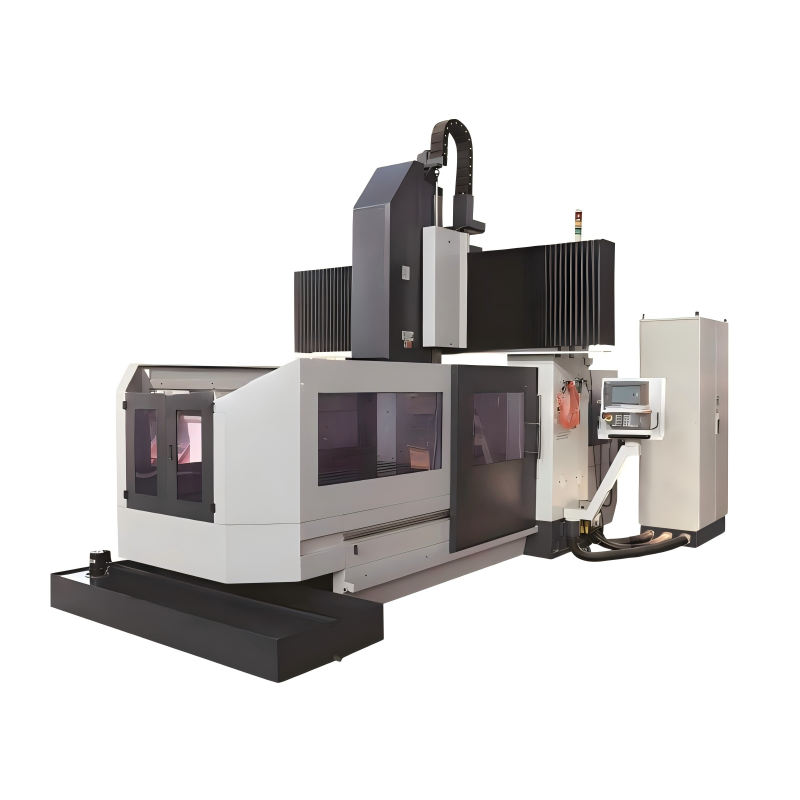
In the realm of modern manufacturing, industrial gantry router units have emerged as indispensable tools for precision cutting and shaping across a wide range of materials. These machines, characterized by their robust design and high accuracy, play a pivotal role in streamlining production processes, enhancing efficiency, and ensuring product quality. This report delves into the multifaceted roles that industrial gantry router units fulfill within contemporary manufacturing environments, exploring how they contribute to innovation, productivity, and cost-effectiveness.
The journey of industrial gantry router units from their inception to the present day is marked by significant technological advancements. Initially, these machines were designed for simple, two-dimensional cutting tasks. Over time, with the integration of computer-aided design (CAD) and computer-aided manufacturing (CAM) technologies, their capabilities expanded to include complex three-dimensional operations. The evolution of materials used in construction, such as stronger and lighter alloys, has also contributed to the enhanced performance and durability of these units.
Today, industrial gantry router units are at the forefront of manufacturing innovation. Key trends include the adoption of artificial intelligence (AI) and machine learning (ML) algorithms to optimize cutting paths and reduce material waste. Additionally, the integration of real-time monitoring systems allows for predictive maintenance, minimizing downtime and extending the lifespan of the equipment. These advancements not only improve operational efficiency but also contribute to more sustainable manufacturing practices.
One of the primary advantages of industrial gantry router units is their ability to achieve high levels of precision and accuracy. Modern units are equipped with advanced control systems, including servo motors and linear encoders, which enable precise movement and positioning. These systems can be programmed to execute complex cutting patterns with micron-level accuracy, making them ideal for applications requiring tight tolerances.
Effective material handling and fixturing are crucial for maintaining the accuracy of industrial gantry router units. These machines often feature integrated vacuum tables or clamping systems that securely hold the workpiece in place during the cutting process. This ensures that the material remains stable and prevents any movement that could compromise the precision of the cut. Additionally, the use of specialized tooling and fixtures can further enhance the accuracy and repeatability of the machining process.
Industrial gantry router units are designed to operate at high speeds, significantly reducing the time required for cutting and shaping operations. High-speed spindles and powerful motors enable these machines to handle a wide range of materials, from soft plastics to hard metals, with ease. The ability to perform rapid and continuous cutting cycles without compromising on quality is a key factor in improving overall productivity in the manufacturing environment.
The integration of automation technologies is another critical aspect of enhancing productivity. Many industrial gantry router units can be seamlessly integrated into existing production lines, allowing for fully automated workflows. This includes the use of robotic arms for loading and unloading materials, as well as the implementation of software solutions that manage the entire production process. Automation not only increases the speed of operations but also reduces the need for manual intervention, leading to higher efficiency and lower labor costs.
One of the most significant cost-saving benefits of industrial gantry router units is their ability to minimize material waste. Advanced nesting software and optimized cutting paths ensure that the maximum amount of material is utilized, reducing scrap and lowering raw material costs. Additionally, the precision of these machines allows for tighter nesting, enabling more parts to be produced from a single sheet of material. This not only saves on material costs but also contributes to more sustainable manufacturing practices.
The long-term operational savings associated with industrial gantry router units are substantial. These machines are built to last, with durable components and robust designs that minimize the need for frequent repairs and replacements. The integration of predictive maintenance systems further extends the lifespan of the equipment by identifying potential issues before they become major problems. This results in reduced downtime and lower maintenance costs over the life of the machine, providing a strong return on investment for manufacturers.
Industrial gantry router units are highly versatile and can handle a wide variety of materials, including wood, plastic, metal, and composites. This multi-material compatibility makes them suitable for a broad range of applications, from furniture and cabinetry to aerospace and automotive components. The ability to switch between different materials and cutting tools with minimal setup time enhances the flexibility of these machines, allowing manufacturers to adapt to changing market demands and diversify their product offerings.
Another key advantage of industrial gantry router units is their capability for customization and prototyping. These machines can be easily programmed to produce one-off or small-batch custom parts, making them ideal for rapid prototyping and product development. The ability to quickly and accurately produce prototypes allows manufacturers to test and refine their designs before committing to full-scale production, reducing the risk of errors and saving time and resources in the long run.
While industrial gantry router units offer numerous benefits, their effective utilization requires skilled operators and technicians. There is a growing need for training and education programs to address the skill gaps in the workforce. Manufacturers must invest in ongoing training and development to ensure that their employees are proficient in operating and maintaining these advanced machines. This will not only improve the efficiency and effectiveness of the manufacturing process but also help to attract and retain top talent in the industry.
The future of industrial gantry router units is closely tied to the broader trends in Industry 4.0. Emerging technologies such as the Internet of Things (IoT), big data analytics, and augmented reality (AR) are expected to play a significant role in the next generation of these machines. IoT sensors and data analytics can provide real-time insights into machine performance and operational metrics, enabling more informed decision-making. AR can be used for remote assistance and training, making it easier for operators to troubleshoot and maintain the equipment. These advancements will further enhance the capabilities and value of industrial gantry router units in modern manufacturing.
This content provides a comprehensive overview of the role of industrial gantry router units in modern manufacturing, covering their evolution, precision, productivity, cost-effectiveness, flexibility, and future challenges. Each section is structured to provide clear and valuable insights, supported by specific examples and trends. 05/06/2026
In the rapidly evolving world of manufacturing, advancements in CNC (Computer Numerical Control) lathe technology have played a pivotal role in enhancing machining precision and efficiency. This report explores the latest innovations that are setting new
Read More05/06/2026In the rapidly evolving landscape of manufacturing, horizontal machining centers (HMCs) have emerged as a transformative force, setting new benchmarks for precision, efficiency, and versatility. This technical report explores how HMCs, along with advancem
Read More05/06/2026In the realm of modern manufacturing, the integration of advanced machinery like the industrial gantry router unit and horizontal machining centers (HMCs) has revolutionized the way precision and efficiency are achieved. This technical report explores the
Read More05/06/2026Exploring the versatility of horizontal lathes in modern manufacturing reveals a dynamic and essential tool for precision engineering. This technical report delves into how horizontal lathes, alongside complementary technologies like industrial gantry rou
Read More05/06/2026In the rapidly evolving landscape of CNC machining, industrial gantry router units are emerging as key players in transforming manufacturing processes. These advanced machines not only offer unprecedented precision but also bring about a new era of flexib
Read More04/06/2026In the realm of modern manufacturing, the industrial gantry router unit has emerged as a versatile tool that significantly enhances production efficiency and precision. This technical report explores the multifaceted applications and benefits of industria
Read MoreOur professional sales team is always ready to assist you.