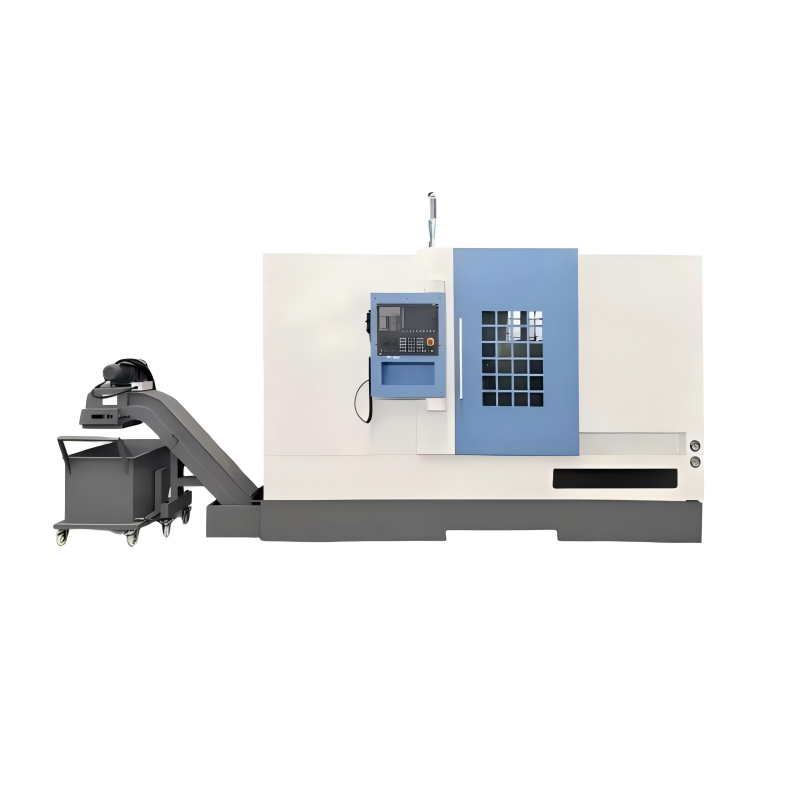
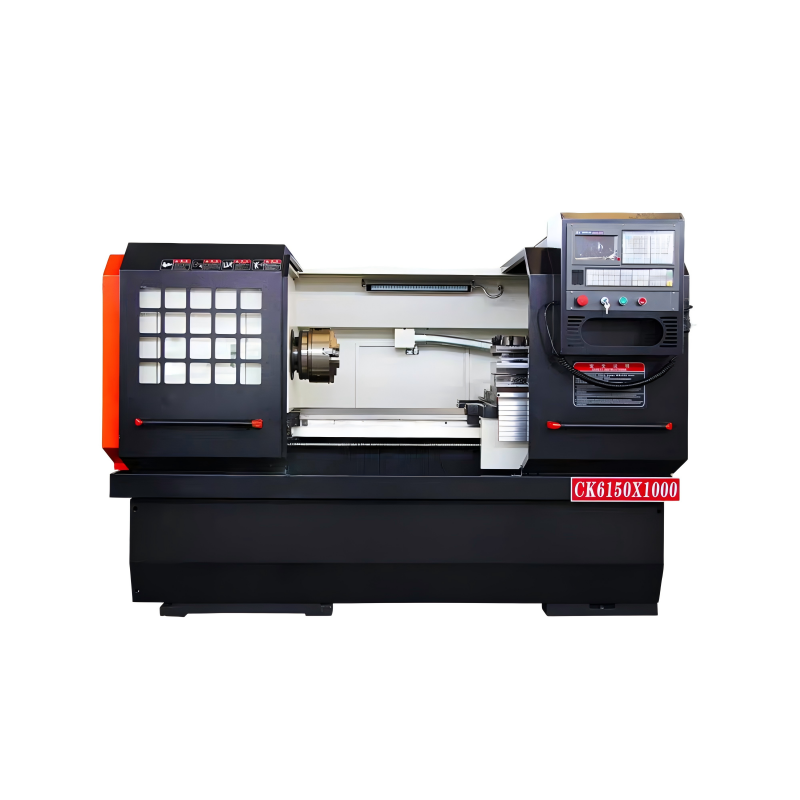
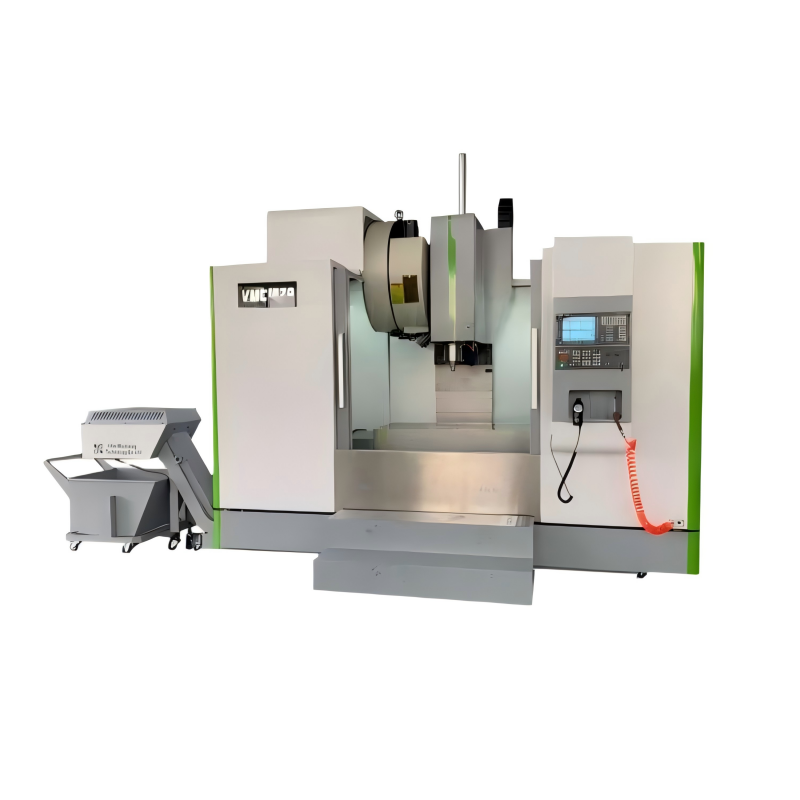
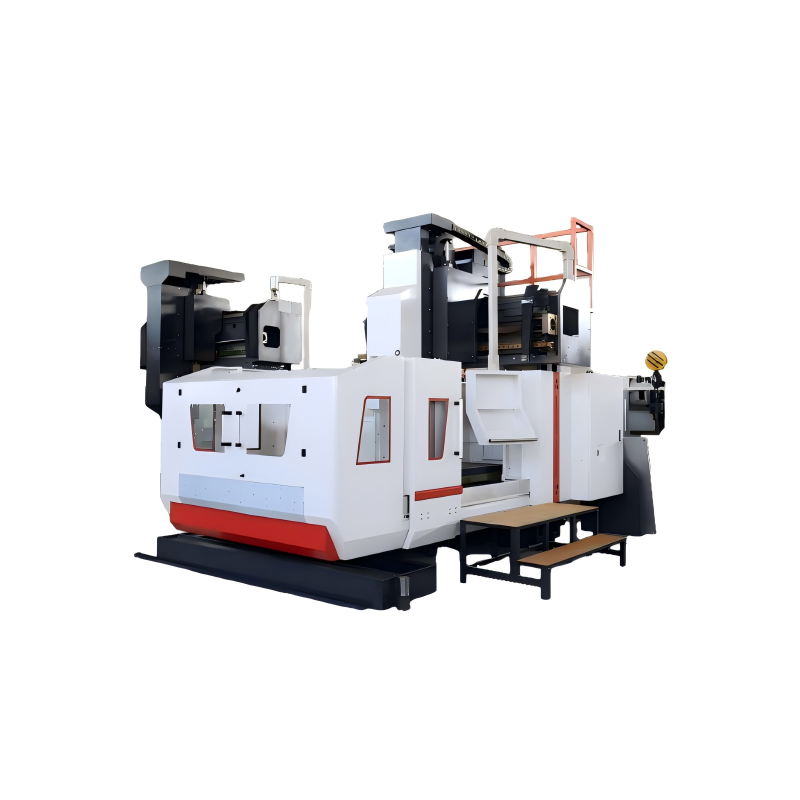
In the rapidly evolving world of manufacturing, advancements in CNC (Computer Numerical Control) lathe technology have played a pivotal role in enhancing machining precision and efficiency. This report explores the latest innovations that are setting new standards for superior machining results. From the integration of smart sensors to the application of industrial gantry router units, we delve into how these technologies are transforming the landscape of CNC lathing, ensuring that manufacturers can achieve unparalleled levels of accuracy and productivity.
The incorporation of advanced sensors in CNC Lathes allows for real-time monitoring of the machining process. These sensors can detect even the slightest deviations in tool positioning or material properties, providing immediate feedback to the control system. This continuous monitoring ensures that any issues are addressed promptly, reducing the likelihood of defects and improving overall product quality.
Building on the data collected by these sensors, adaptive control systems can adjust the machining parameters dynamically. By making real-time adjustments to feed rates, spindle speeds, and cutting depths, these systems optimize the machining process, leading to more consistent and accurate results. This adaptability is particularly beneficial in high-precision applications where even minor variations can significantly impact the final product.
One of the key drivers of increased productivity in CNC lathes is the implementation of automated tool changers. These systems allow for the rapid and precise swapping of tools without the need for manual intervention. By minimizing downtime between operations, automated tool changers enable continuous machining, thereby increasing the overall throughput of the machine.
The integration of robotics into CNC lathes further enhances productivity by automating the loading and unloading of workpieces. Robots can handle parts with greater speed and accuracy than human operators, reducing the risk of errors and freeing up human workers to focus on more complex tasks. This synergy between CNC lathes and robotics creates a highly efficient and streamlined production process.
The use of an industrial gantry router unit in CNC lathes offers significant advantages in terms of material handling. These units are designed to move large and heavy workpieces with precision, ensuring that they are positioned correctly for machining. The robust construction and high load capacity of gantry systems make them ideal for applications involving large components or materials that require careful handling.
Gantry systems also provide flexibility and versatility in the machining process. They can be configured to accommodate a wide range of workpiece sizes and shapes, making them suitable for a variety of manufacturing applications. Additionally, the ability to integrate additional tools and accessories, such as drilling and milling heads, further expands the capabilities of the CNC lathe, allowing for more complex and diverse machining operations.
Modern CNC lathes are equipped with advanced software solutions that include simulation and optimization tools. These tools allow engineers to simulate the entire machining process before it begins, identifying potential issues and optimizing the tool paths for maximum efficiency. This virtual testing phase helps to minimize errors and reduce the time required for setup and adjustments, ultimately leading to faster and more reliable machining.
Data analytics plays a crucial role in maintaining the performance of CNC lathes. By collecting and analyzing data from various sensors and control systems, manufacturers can gain insights into the machine's operation and identify patterns that may indicate potential failures. Predictive maintenance algorithms can then be used to schedule maintenance activities proactively, preventing unexpected downtime and extending the lifespan of the equipment.
Advancements in CNC lathe technology have also focused on improving energy efficiency. Modern machines are designed to consume less power while maintaining high performance levels. Features such as variable frequency drives (VFDs) for spindle motors and regenerative braking systems help to reduce energy consumption, making the machining process more environmentally friendly and cost-effective.
Sustainability is a growing concern in the manufacturing industry, and CNC lathes are no exception. Innovations in chip management and coolant recycling systems help to minimize waste and reduce the environmental impact of the machining process. Efficient chip conveyors and filtration systems ensure that chips and coolant are collected and processed for reuse, reducing the need for new materials and minimizing waste disposal costs.
One of the most exciting trends in CNC lathing is the integration of additive manufacturing (AM) technologies. Hybrid CNC lathes that combine traditional subtractive machining with AM capabilities offer new possibilities for part design and production. This combination allows for the creation of complex geometries and the repair of existing components, expanding the range of applications and opening up new opportunities for innovation.
The application of artificial intelligence (AI) and machine learning (ML) in CNC lathes is another area of significant development. AI and ML algorithms can analyze vast amounts of data to identify patterns and make predictions, enabling more intelligent and autonomous machining processes. These technologies can optimize tool paths, predict maintenance needs, and even detect anomalies in real-time, further enhancing the precision and efficiency of CNC lathes.
This HTML content provides a comprehensive technical report on the innovations in CNC lathe technology, structured with clear headings and subheadings, and covering various aspects of the topic. 05/06/2026
In the rapidly evolving landscape of manufacturing, horizontal machining centers (HMCs) have emerged as a transformative force, setting new benchmarks for precision, efficiency, and versatility. This technical report explores how HMCs, along with advancem
Read More05/06/2026In the realm of modern manufacturing, the integration of advanced machinery like the industrial gantry router unit and horizontal machining centers (HMCs) has revolutionized the way precision and efficiency are achieved. This technical report explores the
Read More05/06/2026Exploring the versatility of horizontal lathes in modern manufacturing reveals a dynamic and essential tool for precision engineering. This technical report delves into how horizontal lathes, alongside complementary technologies like industrial gantry rou
Read More05/06/2026In the realm of modern manufacturing, industrial gantry router units have emerged as indispensable tools for precision cutting and shaping across a wide range of materials. These machines, characterized by their robust design and high accuracy, play a piv
Read More05/06/2026In the rapidly evolving landscape of CNC machining, industrial gantry router units are emerging as key players in transforming manufacturing processes. These advanced machines not only offer unprecedented precision but also bring about a new era of flexib
Read More04/06/2026In the realm of modern manufacturing, the industrial gantry router unit has emerged as a versatile tool that significantly enhances production efficiency and precision. This technical report explores the multifaceted applications and benefits of industria
Read MoreOur professional sales team is always ready to assist you.