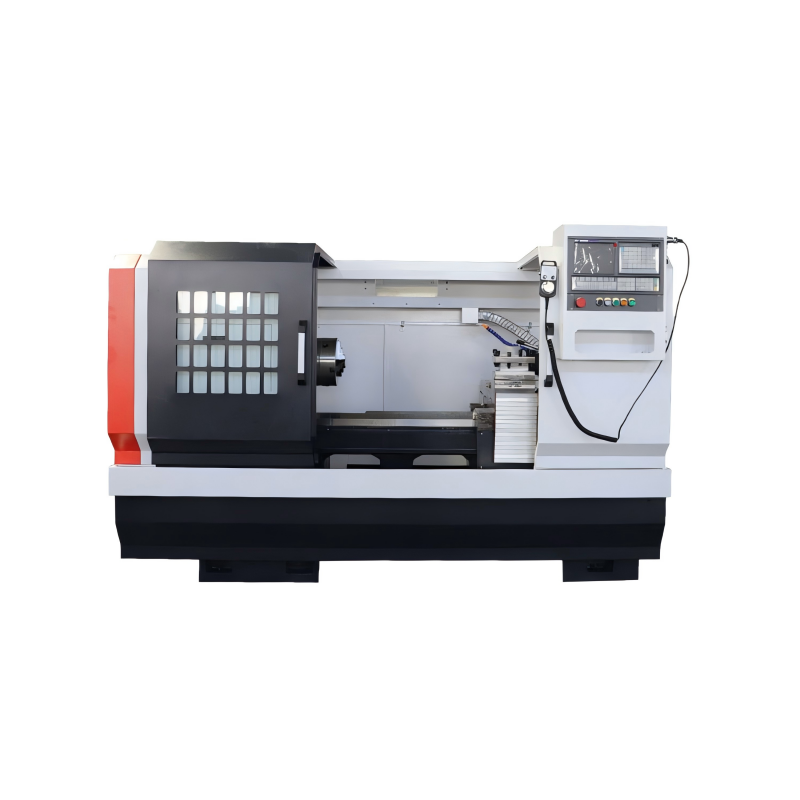
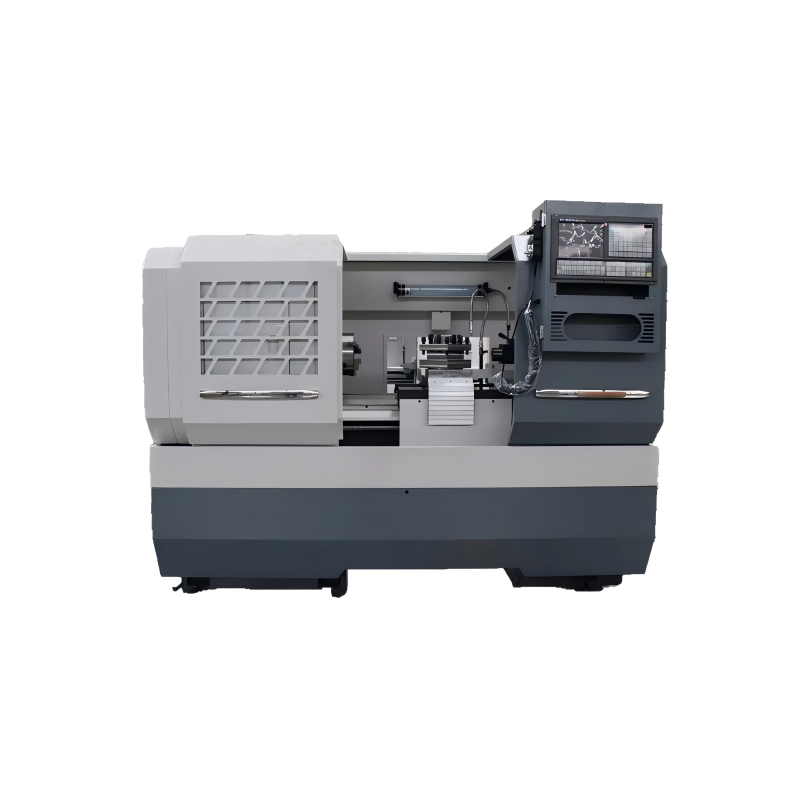
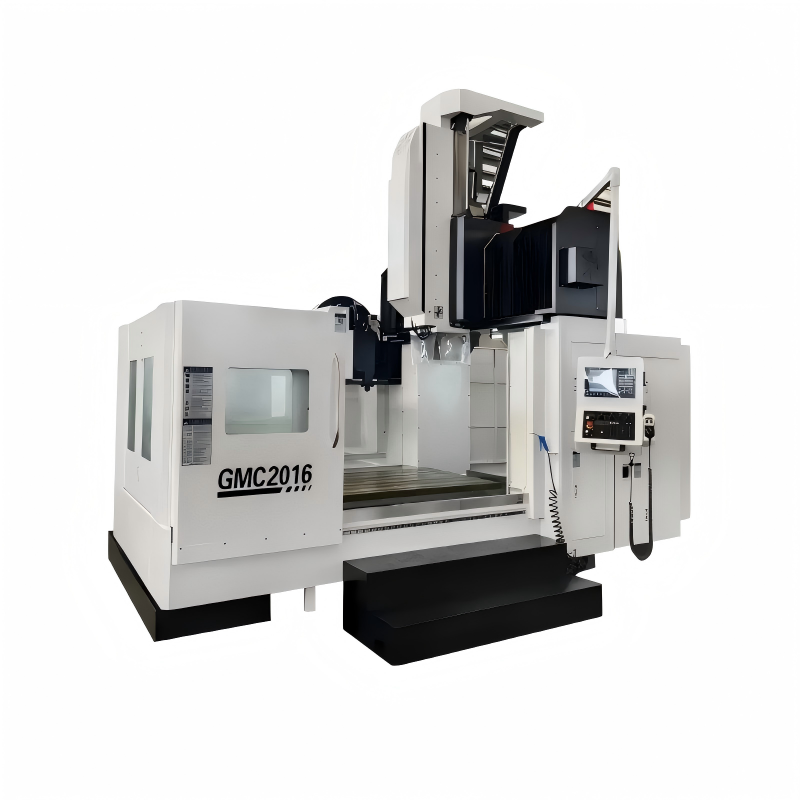
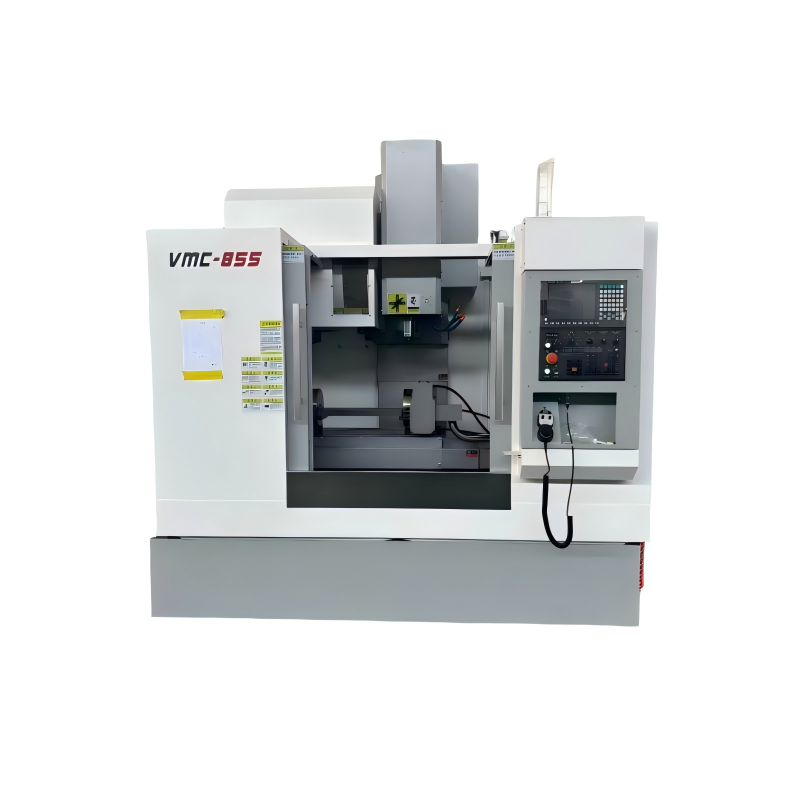
In the realm of modern manufacturing, the industrial gantry router unit has emerged as a versatile tool that significantly enhances production efficiency and precision. This technical report explores the multifaceted applications and benefits of industrial gantry routers in contemporary manufacturing environments. The report delves into how these advanced machines are revolutionizing traditional manufacturing processes, improving material utilization, and enabling greater design flexibility. By examining the operational capabilities, integration with other technologies, and the impact on productivity, this document aims to provide a comprehensive understanding of the role and potential of industrial gantry router units in today's manufacturing landscape.
One of the most significant advantages of industrial gantry router units is their ability to achieve high levels of precision and accuracy. These machines are equipped with advanced CNC (Computer Numerical Control) systems that allow for the execution of complex and intricate designs with minimal error. The use of high-precision linear guides and ball screws ensures smooth and consistent movement along the X, Y, and Z axes, resulting in precise cuts and engravings. This level of accuracy is crucial in industries where tolerances are tight, such as aerospace, automotive, and electronics manufacturing.
Industrial gantry router units are capable of processing a wide range of materials, including wood, plastic, metal, and composites. This versatility makes them indispensable in various manufacturing sectors. For example, in the woodworking industry, they can be used for cutting, engraving, and shaping wooden components with high precision. In the metalworking sector, they can perform milling, drilling, and engraving operations on aluminum, steel, and other metals. The ability to handle diverse materials allows manufacturers to streamline their operations and reduce the need for multiple specialized machines.
The integration of industrial gantry router units with automation and robotics is transforming the manufacturing landscape. These machines can be seamlessly integrated into automated production lines, where they work in tandem with robotic arms and other automated systems. This integration not only increases the speed and efficiency of the manufacturing process but also reduces the reliance on manual labor. For instance, in a fully automated line, a robotic arm can load and unload materials, while the industrial gantry router unit performs the necessary cutting and engraving operations. This synergy between automation and gantry routers leads to higher throughput and improved product quality.
Modern industrial gantry router units are often equipped with data collection and analysis capabilities, making them an integral part of data-driven manufacturing. These machines can collect real-time data on various parameters, such as tool wear, material properties, and machine performance. This data can be analyzed to optimize the manufacturing process, predict maintenance needs, and improve overall efficiency. For example, by monitoring tool wear, manufacturers can schedule maintenance proactively, reducing downtime and extending the lifespan of the tools. Additionally, the data can be used to fine-tune the machining parameters, ensuring optimal results and minimizing waste.
Industrial gantry router units play a crucial role in enhancing productivity in manufacturing. Their high-speed operation and ability to handle large workpieces make them ideal for high-volume production. The use of multi-tool heads and automatic tool changers further increases the efficiency of these machines, allowing for continuous operation without frequent interruptions. This capability is particularly valuable in industries where time-to-market is critical, such as consumer electronics and automotive manufacturing. By reducing the time required for setup and tool changes, industrial gantry router units enable manufacturers to meet tight deadlines and increase their output.
Another significant benefit of industrial gantry router units is their ability to optimize material utilization, leading to cost savings. These machines are designed to minimize waste by efficiently nesting parts and optimizing the cutting path. Advanced software algorithms can be used to calculate the most efficient way to cut out parts from a sheet of material, reducing scrap and maximizing yield. This is especially important in industries where raw materials are expensive, such as aerospace and medical device manufacturing. By reducing material waste, manufacturers can lower their production costs and improve their bottom line. Additionally, the ability to reuse and recycle scrap material further contributes to cost savings and environmental sustainability.
 05/06/2026
In the rapidly evolving world of manufacturing, advancements in CNC (Computer Numerical Control) lathe technology have played a pivotal role in enhancing machining precision and efficiency. This report explores the latest innovations that are setting new
Read More05/06/2026In the rapidly evolving landscape of manufacturing, horizontal machining centers (HMCs) have emerged as a transformative force, setting new benchmarks for precision, efficiency, and versatility. This technical report explores how HMCs, along with advancem
Read More05/06/2026In the realm of modern manufacturing, the integration of advanced machinery like the industrial gantry router unit and horizontal machining centers (HMCs) has revolutionized the way precision and efficiency are achieved. This technical report explores the
Read More05/06/2026Exploring the versatility of horizontal lathes in modern manufacturing reveals a dynamic and essential tool for precision engineering. This technical report delves into how horizontal lathes, alongside complementary technologies like industrial gantry rou
Read More05/06/2026In the realm of modern manufacturing, industrial gantry router units have emerged as indispensable tools for precision cutting and shaping across a wide range of materials. These machines, characterized by their robust design and high accuracy, play a piv
Read More05/06/2026In the rapidly evolving landscape of CNC machining, industrial gantry router units are emerging as key players in transforming manufacturing processes. These advanced machines not only offer unprecedented precision but also bring about a new era of flexib
Read MoreOur professional sales team is always ready to assist you.