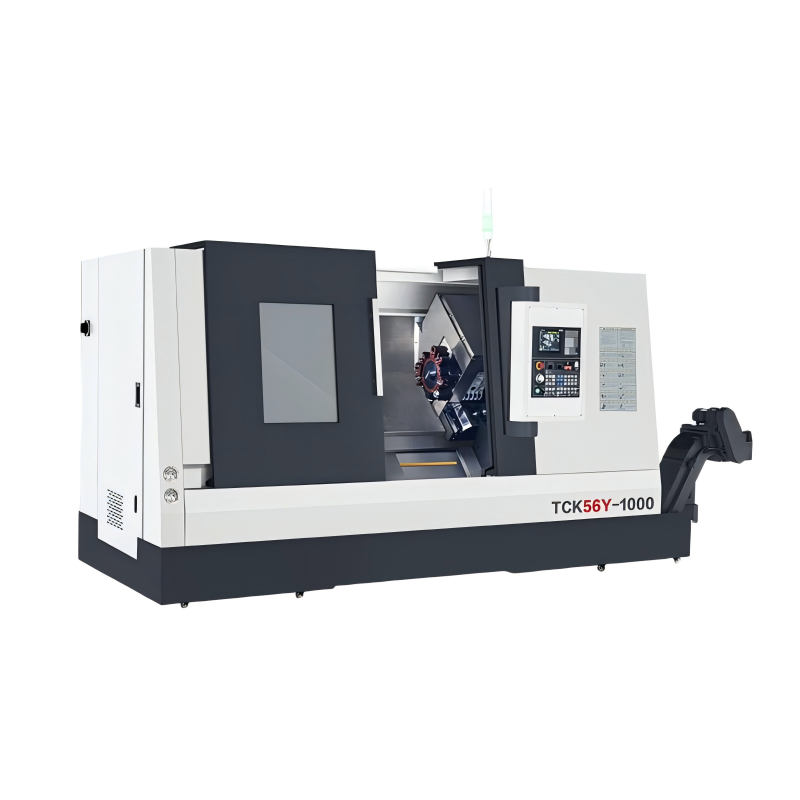
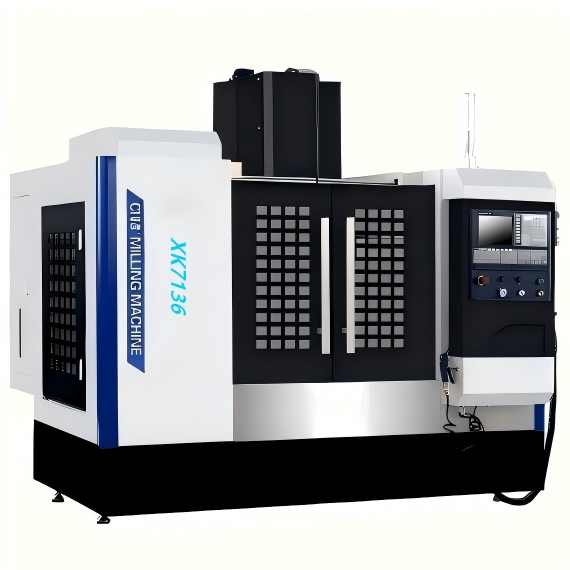
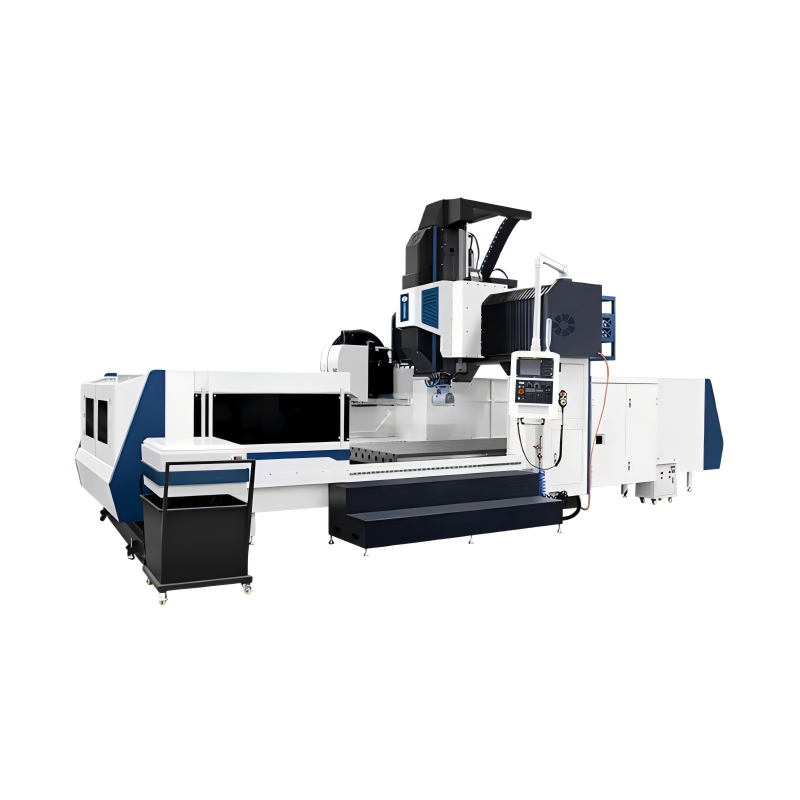
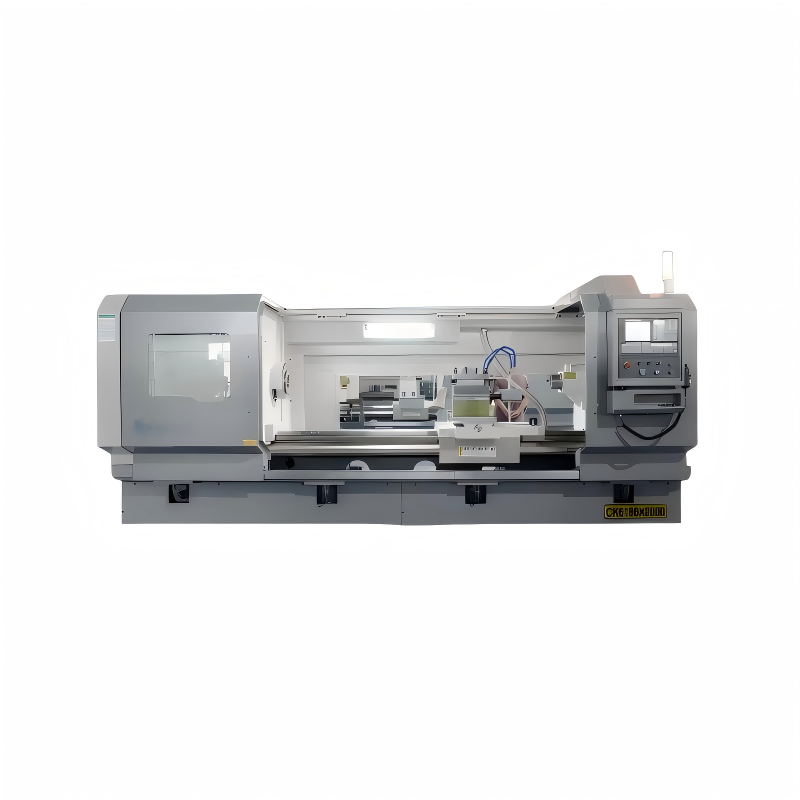
In the realm of modern manufacturing, the integration of advanced machinery like the industrial gantry router unit and horizontal Machining Centers (HMCs) has revolutionized the way precision and efficiency are achieved. This technical report explores the pivotal role of HMCs in enhancing production capabilities, focusing on their design, operational advantages, and the specific benefits they offer over traditional Vertical Machining Centers. By examining the synergy between these technologies, we can better understand how manufacturers can optimize their processes to meet the demands of a highly competitive market.
The design of a Horizontal Machining Center is fundamentally different from that of a vertical machining center, offering superior stability and rigidity. The horizontal orientation of the spindle allows for a more robust and stable platform, which is crucial for high-precision machining. This rigidity minimizes vibrations and ensures consistent cutting performance, even at high speeds and feed rates.
One of the key advantages of HMCs is their ability to provide better access to the workpiece. The horizontal configuration allows for easier loading and unloading of parts, as well as the use of larger and heavier workpieces. This accessibility also facilitates the integration of additional tools and accessories, such as the industrial gantry router unit, which can further enhance the machine's versatility and productivity.
Horizontal machining centers are designed to handle multi-sided machining operations with ease. The ability to rotate the workpiece and perform multiple operations in a single setup significantly reduces the need for repositioning, thereby minimizing downtime and increasing overall productivity. This capability is particularly valuable in industries where complex geometries and tight tolerances are common.
HMCs are equipped with high-speed spindles and rapid tool change mechanisms, allowing for efficient and continuous operation. The combination of fast cutting speeds and quick tool changes results in shorter cycle times and higher throughput. This is especially beneficial in high-volume production environments where time is a critical factor.
The integration of automation and robotics with horizontal machining centers is becoming increasingly common. Automated systems, such as robotic arms and pallet changers, can be seamlessly integrated into the HMC workflow, enabling 24/7 operation and reducing the need for manual intervention. This not only enhances productivity but also improves safety and consistency in the manufacturing process.
The advent of smart manufacturing and the Internet of Things (IoT) has opened up new possibilities for HMCs. By connecting the machines to a network, manufacturers can monitor and control the entire production process in real-time. This connectivity allows for predictive maintenance, real-time data analysis, and remote diagnostics, all of which contribute to increased efficiency and reduced downtime.
One of the most significant cost-saving benefits of HMCs is the reduction in setup and downtime. The ability to perform multiple operations in a single setup, combined with the high-speed cutting and rapid tool changes, means that the machine spends more time in production and less time idle. This leads to a faster return on investment and lower overall operating costs.
Horizontal machining centers are built to last, with robust designs and high-quality components that ensure long-term reliability. Regular maintenance and timely replacement of wear parts can extend the life of the machine, further justifying the initial investment. Additionally, the modular design of many HMCs allows for easy upgrades and retrofits, ensuring that the machine remains relevant and efficient over its lifecycle.
Modern HMCs are designed with energy efficiency in mind. Features such as variable speed drives, energy-efficient motors, and intelligent power management systems help to reduce energy consumption without compromising performance. This not only lowers operating costs but also contributes to a more sustainable manufacturing process.
The precise and efficient nature of HMCs helps to minimize material waste, as the machines are capable of achieving high levels of accuracy and repeatability. Additionally, the use of advanced coolant and chip management systems ensures that waste materials are properly collected and recycled, further reducing the environmental impact of the manufacturing process.
The future of HMCs is likely to see advancements in materials and coatings used in the construction of the machines. New, high-performance materials and coatings can improve the durability and wear resistance of critical components, leading to longer service life and reduced maintenance. These innovations will also enable HMCs to handle a wider range of materials, including those that are traditionally difficult to machine.
The integration of artificial intelligence (AI) and machine learning (ML) is poised to transform the way HMCs operate. AI and ML algorithms can analyze large amounts of data in real-time, providing insights into machine performance, predicting potential failures, and optimizing cutting parameters. This will lead to even greater efficiency, reduced downtime, and improved product quality, making HMCs an indispensable part of the future of manufacturing.
 05/06/2026
In the rapidly evolving world of manufacturing, advancements in CNC (Computer Numerical Control) lathe technology have played a pivotal role in enhancing machining precision and efficiency. This report explores the latest innovations that are setting new
Read More05/06/2026In the rapidly evolving landscape of manufacturing, horizontal machining centers (HMCs) have emerged as a transformative force, setting new benchmarks for precision, efficiency, and versatility. This technical report explores how HMCs, along with advancem
Read More05/06/2026Exploring the versatility of horizontal lathes in modern manufacturing reveals a dynamic and essential tool for precision engineering. This technical report delves into how horizontal lathes, alongside complementary technologies like industrial gantry rou
Read More05/06/2026In the realm of modern manufacturing, industrial gantry router units have emerged as indispensable tools for precision cutting and shaping across a wide range of materials. These machines, characterized by their robust design and high accuracy, play a piv
Read More05/06/2026In the rapidly evolving landscape of CNC machining, industrial gantry router units are emerging as key players in transforming manufacturing processes. These advanced machines not only offer unprecedented precision but also bring about a new era of flexib
Read More04/06/2026In the realm of modern manufacturing, the industrial gantry router unit has emerged as a versatile tool that significantly enhances production efficiency and precision. This technical report explores the multifaceted applications and benefits of industria
Read MoreOur professional sales team is always ready to assist you.