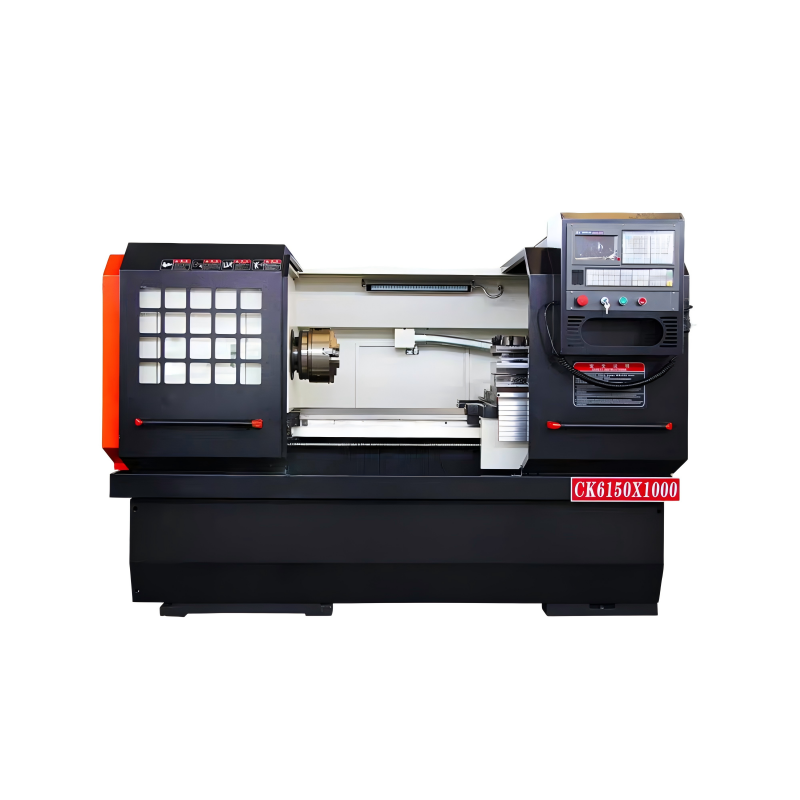
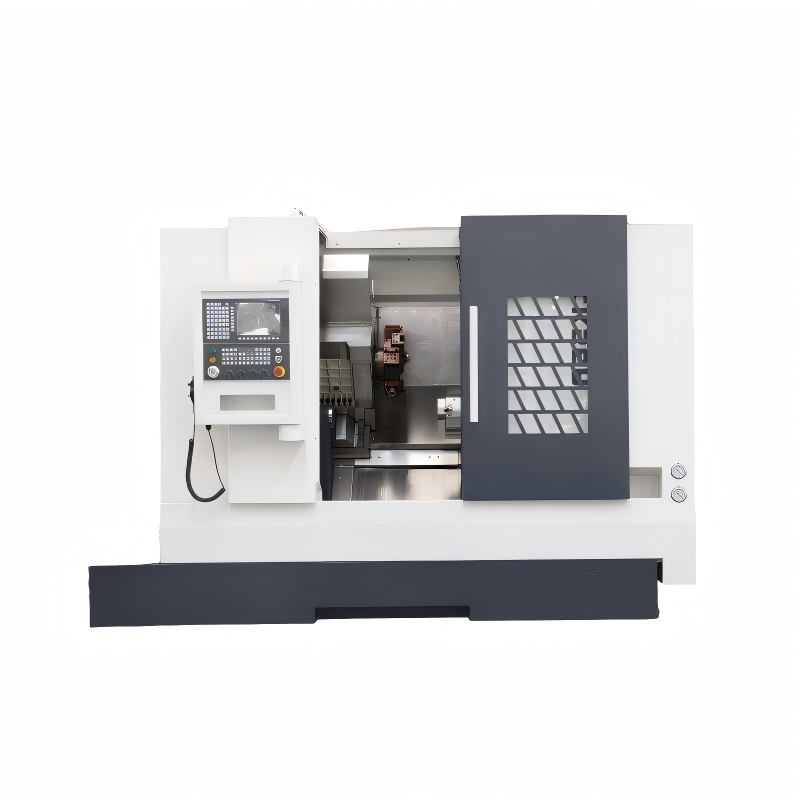
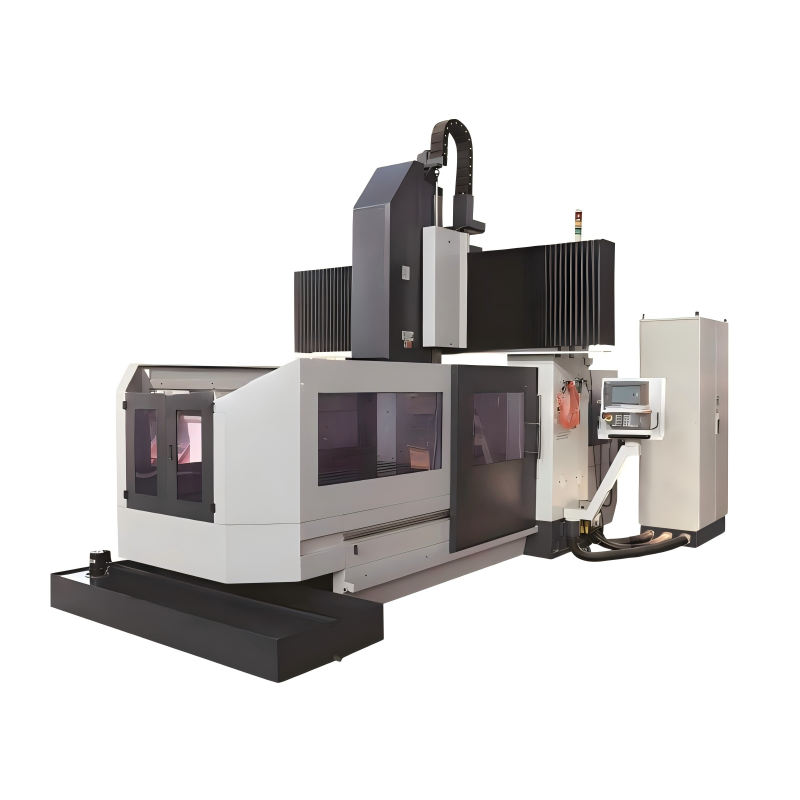
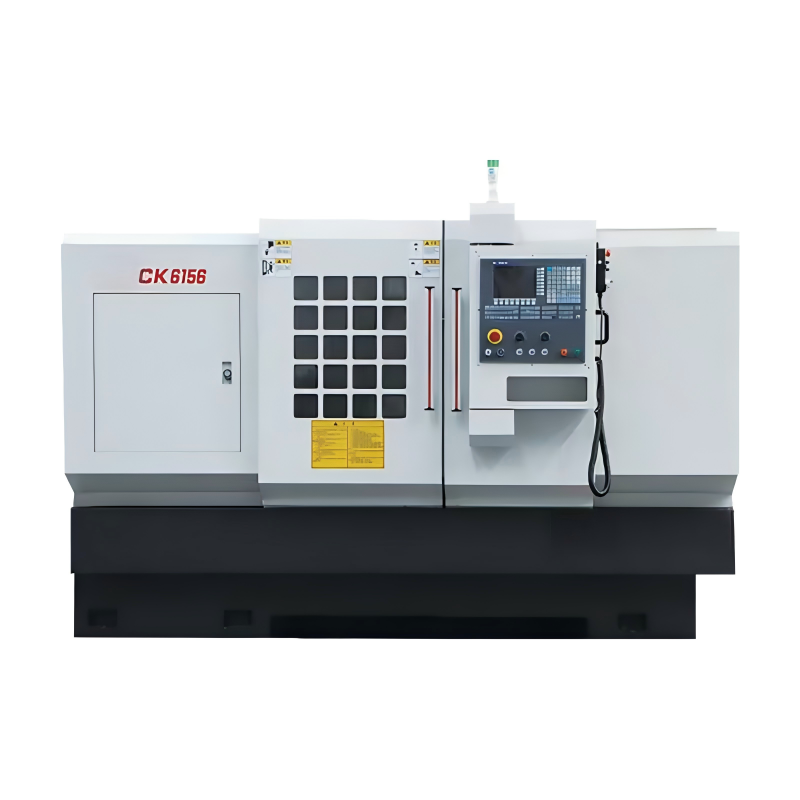
In the rapidly evolving landscape of manufacturing, horizontal Machining Centers (HMCs) have emerged as a transformative force, setting new benchmarks for precision, efficiency, and versatility. This technical report explores how HMCs, along with advancements in industrial gantry router units, are redefining industry standards. The report delves into the key features, benefits, and applications of HMCs, highlighting their role in enhancing productivity and quality in various industrial sectors. Additionally, it examines the integration of industrial gantry router units, which complement HMCs by providing additional capabilities for large-scale and complex machining tasks. Through a detailed analysis, this report aims to provide a comprehensive understanding of how these technologies are shaping the future of manufacturing.
One of the most significant advantages of Horizontal Machining Centers is their ability to achieve higher levels of precision and accuracy. Modern HMCs feature advanced tooling systems and spindle designs that minimize vibration and ensure consistent performance. High-precision spindles, often equipped with ceramic or hybrid bearings, can maintain tight tolerances even at high speeds. This results in superior surface finishes and dimensional accuracy, which are critical for industries such as aerospace, automotive, and medical device manufacturing.
The integration of sophisticated control systems, including CNC (Computer Numerical Control) and adaptive control technologies, further enhances the precision of HMCs. These systems use real-time data to adjust cutting parameters, ensuring optimal performance and minimizing errors. Adaptive control, for instance, can automatically modify feed rates based on the material's hardness and the tool's condition, leading to more consistent and accurate machining results. This level of control is particularly beneficial for complex and high-precision parts, where even minor deviations can significantly impact the final product's quality.
Horizontal machining centers are designed to reduce setup and changeover times, thereby increasing overall productivity. Features such as pallet changers and automatic tool changers (ATCs) enable quick and efficient transitions between different jobs. Pallet changers allow for the loading and unloading of workpieces while the machine is in operation, reducing downtime. ATCs, on the other hand, can store and retrieve multiple tools, enabling rapid tool changes without manual intervention. These features are especially valuable in high-mix, low-volume production environments, where flexibility and speed are paramount.
HMCs are capable of high-speed machining, which significantly reduces cycle times and increases throughput. High-speed spindles, typically operating at 10,000 to 20,000 RPM or higher, enable faster material removal rates. This, combined with optimized tool paths and advanced cutting strategies, allows for the efficient production of complex parts. Additionally, the use of high-performance cutting tools and materials, such as carbide and polycrystalline diamond (PCD), further enhances the machine's ability to handle high-speed operations. The result is a more productive and cost-effective manufacturing process.
Horizontal machining centers are versatile and can handle a wide range of materials, from soft metals like aluminum to hard metals like titanium and Inconel. This versatility is crucial for manufacturers who need to work with different materials to meet diverse customer requirements. HMCs are equipped with powerful spindles and robust construction, making them suitable for both light and heavy-duty machining tasks. Furthermore, the ability to integrate various cutting tools and accessories, such as coolant systems and chip management solutions, ensures that the machine can be adapted to specific material and application needs.
HMCs are well-suited for multitasking and complex machining operations, thanks to their robust design and advanced features. These machines can perform multiple operations in a single setup, including milling, drilling, tapping, and boring. This capability not only reduces the need for secondary operations but also improves part accuracy by minimizing the number of setups required. Additionally, the use of rotary tables and tilting spindles allows for 5-axis machining, enabling the production of highly complex and intricate parts. This level of versatility makes HMCs an ideal choice for a wide range of applications, from prototyping to high-volume production.
Industrial gantry router units are increasingly being integrated with horizontal machining centers to enhance their capabilities for large-scale and complex machining tasks. Gantry routers offer extended travel lengths and large working envelopes, making them ideal for processing large workpieces. By combining the precision and stability of HMCs with the large-format capabilities of gantry routers, manufacturers can achieve both high accuracy and the ability to handle large components. This integration is particularly beneficial in industries such as aerospace and wind energy, where the production of large, high-precision parts is essential.
The integration of industrial gantry router units with HMCs also enhances the flexibility and automation of the manufacturing process. Gantry routers can be equipped with various tools and attachments, such as multi-spindle heads and automated tool changers, to perform a wide range of operations. This flexibility allows for the efficient production of both simple and complex parts, reducing the need for multiple machines and setups. Additionally, the use of robotic arms and automated material handling systems can further streamline the process, improving productivity and reducing labor costs. The combination of HMCs and gantry routers creates a highly flexible and automated manufacturing solution, capable of meeting the demands of modern production environments.
Horizontal machining centers and industrial gantry router units offer significant cost savings through reduced operating costs. The high precision and efficiency of HMCs result in lower scrap rates and reduced material waste. Additionally, the ability to perform multiple operations in a single setup reduces the need for secondary operations, further lowering production costs. The integration of advanced control systems and high-speed machining capabilities also contributes to lower energy consumption and maintenance costs. These factors, combined with the long-term durability and reliability of HMCs, make them a cost-effective investment for manufacturers.
Investing in horizontal machining centers and industrial gantry router units provides a strong return on investment (ROI) over the long term. The increased productivity, efficiency, and versatility of these machines lead to higher output and improved product quality, which can translate into increased revenue and market share. Moreover, the modular design of many HMCs and gantry routers allows for easy upgrades and expansions, ensuring that the machines can adapt to changing production needs. This scalability, combined with the long lifespan and minimal maintenance requirements of these machines, makes them a sound investment for manufacturers looking to stay competitive in the global market.
The future of horizontal machining centers and industrial gantry router units is closely tied to advancements in digital manufacturing. Technologies such as Industry 4.0, the Internet of Things (IoT), and artificial intelligence (AI) are driving the development of smarter, more connected machines. For example, predictive maintenance systems can monitor machine health in real-time, identifying potential issues before they lead to downtime. AI and machine learning algorithms can optimize tool paths and cutting parameters, further enhancing precision and efficiency. These innovations are expected to continue redefining industry standards, making HMCs and gantry routers even more integral to modern manufacturing processes.
As sustainability becomes an increasingly important consideration in manufacturing, horizontal machining centers and industrial gantry router units are also evolving to support green manufacturing practices. Advances in energy-efficient drives, regenerative braking systems, and eco-friendly coolants are helping to reduce the environmental impact of these machines. Additionally, the ability to recycle and reuse materials, such as chips and coolant, is becoming more prevalent. Manufacturers are also exploring ways to minimize waste and improve resource efficiency, aligning with the broader goals of sustainable manufacturing. These efforts not only benefit the environment but also contribute to cost savings and a positive corporate image, making HMCs and gantry routers a key component of the green manufacturing revolution.
 05/06/2026
In the rapidly evolving world of manufacturing, advancements in CNC (Computer Numerical Control) lathe technology have played a pivotal role in enhancing machining precision and efficiency. This report explores the latest innovations that are setting new
Read More05/06/2026In the realm of modern manufacturing, the integration of advanced machinery like the industrial gantry router unit and horizontal machining centers (HMCs) has revolutionized the way precision and efficiency are achieved. This technical report explores the
Read More05/06/2026Exploring the versatility of horizontal lathes in modern manufacturing reveals a dynamic and essential tool for precision engineering. This technical report delves into how horizontal lathes, alongside complementary technologies like industrial gantry rou
Read More05/06/2026In the realm of modern manufacturing, industrial gantry router units have emerged as indispensable tools for precision cutting and shaping across a wide range of materials. These machines, characterized by their robust design and high accuracy, play a piv
Read More05/06/2026In the rapidly evolving landscape of CNC machining, industrial gantry router units are emerging as key players in transforming manufacturing processes. These advanced machines not only offer unprecedented precision but also bring about a new era of flexib
Read More04/06/2026In the realm of modern manufacturing, the industrial gantry router unit has emerged as a versatile tool that significantly enhances production efficiency and precision. This technical report explores the multifaceted applications and benefits of industria
Read MoreOur professional sales team is always ready to assist you.