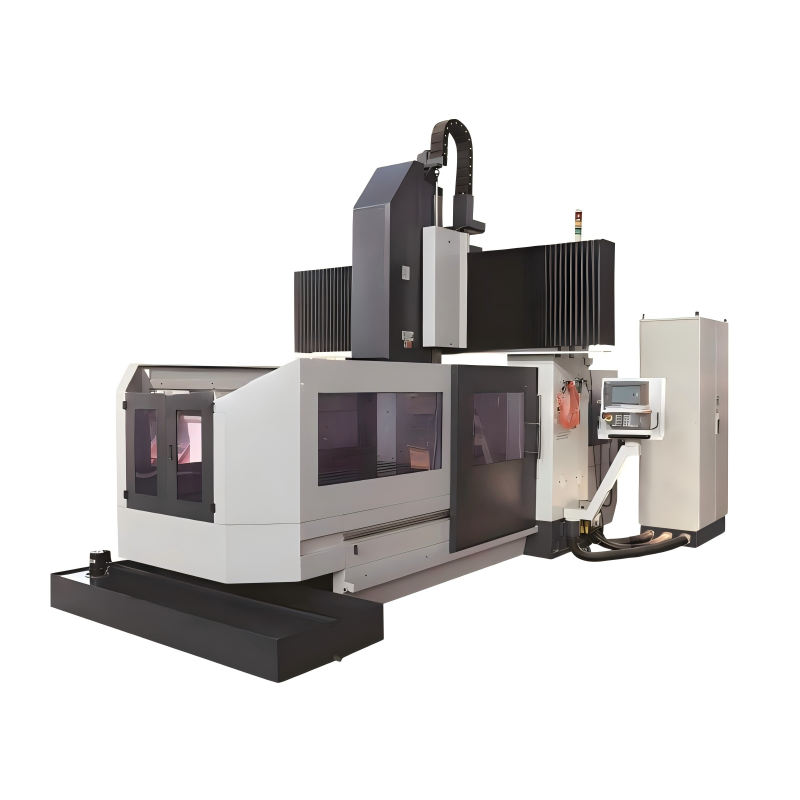
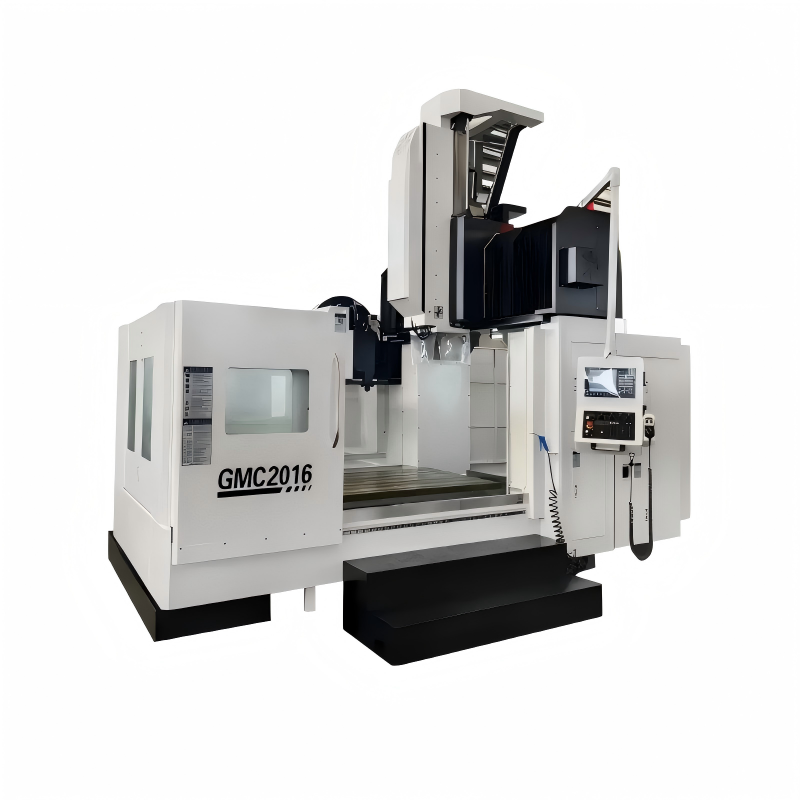
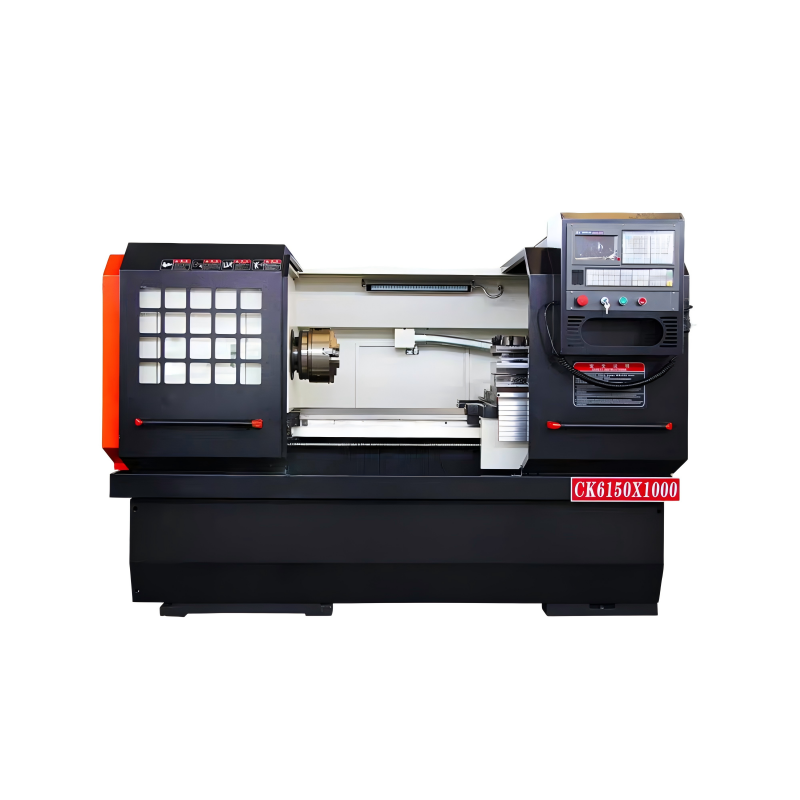
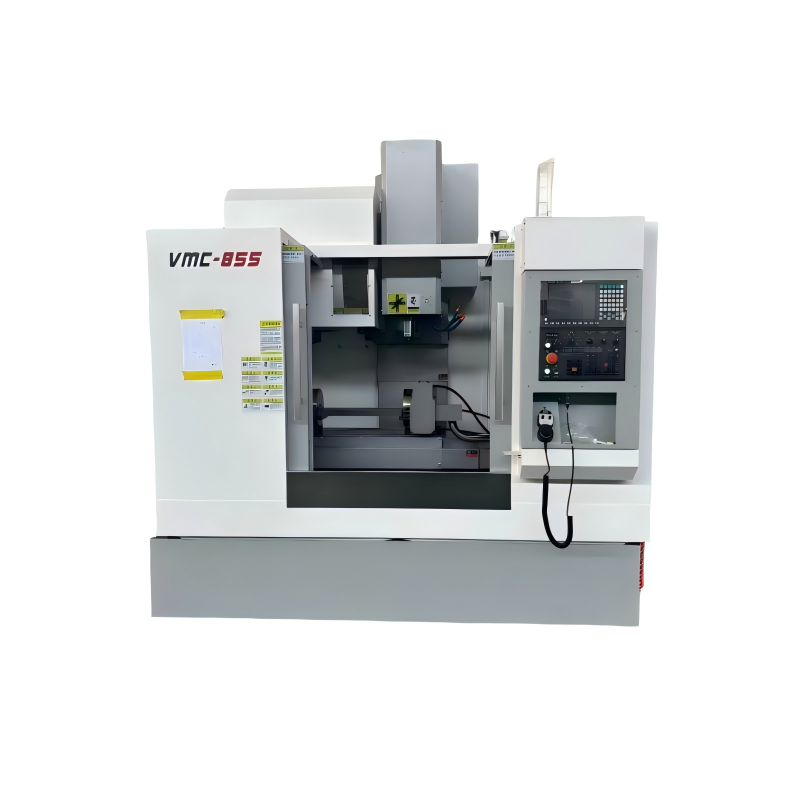
high-precision milling machine tools are essential in modern manufacturing, offering unparalleled accuracy and efficiency. This report delves into the capabilities of these advanced machines, exploring their impact on precision engineering, material versatility, and production optimization. We will examine how high-precision milling machine tools have revolutionized the industry by enabling tighter tolerances, faster production cycles, and more complex geometries. Additionally, we will discuss the integration of these tools with digital technologies, such as CAD/CAM systems, to enhance their performance and adaptability. By understanding the full potential of high-precision milling machine tools, manufacturers can achieve higher quality, reduced costs, and increased competitiveness in the global market.
The design and construction of high-precision milling machine tools have undergone significant advancements over the years. Modern high-precision milling machine tools are built with materials that offer superior rigidity and stability, such as cast iron and granite. These materials minimize thermal expansion and vibration, ensuring consistent and accurate machining. Additionally, the use of linear guides and ball screws has improved the precision and repeatability of the machine's movements, allowing for tighter tolerances and finer surface finishes.
High-precision milling machine tools now incorporate advanced control systems, including CNC (Computer Numerical Control) and servo motors. These systems provide precise control over the machine's axes, enabling complex and intricate milling operations. The integration of real-time monitoring and feedback mechanisms ensures that any deviations from the programmed path are immediately corrected, maintaining the highest levels of accuracy throughout the machining process.
One of the key advantages of high-precision milling machine tools is their ability to process a wide range of materials. From traditional metals like steel and aluminum to more exotic materials such as titanium and composites, these machines can handle a variety of workpieces with ease. The high-precision milling machine tool's adaptability allows manufacturers to produce components for diverse industries, including aerospace, automotive, medical, and electronics, each with its unique material requirements and specifications.
High-precision milling machine tools excel in producing complex geometries and achieving exceptional surface finishes. With multi-axis capabilities, these machines can perform simultaneous 5-axis milling, enabling the creation of intricate shapes and contours. The ability to achieve smooth and precise surface finishes is critical in applications where aesthetics and functionality are paramount, such as in the production of molds, dies, and high-precision parts for the aerospace and medical industries.
High-precision milling machine tools are designed to optimize production processes, reducing setup times and increasing overall productivity. Features such as automatic tool changers, pallet changers, and integrated part probing systems minimize manual intervention and streamline the machining process. These features allow for continuous operation, reducing downtime and maximizing the machine's utilization. As a result, manufacturers can achieve higher throughput and meet tight production schedules more effectively.
Modern high-precision milling machine tools are also designed with energy efficiency in mind. Advanced power management systems and regenerative braking technologies help reduce energy consumption, lowering operating costs and environmental impact. Additionally, the use of high-efficiency motors and optimized cutting strategies further contribute to cost savings by minimizing tool wear and extending tool life. By adopting these energy-efficient practices, manufacturers can achieve significant cost reductions while maintaining high levels of precision and quality.
The integration of high-precision milling machine tools with CAD/CAM (Computer-Aided Design/Computer-Aided Manufacturing) systems has transformed the way parts are designed and manufactured. CAD/CAM software enables the creation of detailed 3D models and the generation of precise toolpaths, which are then transferred to the machine for execution. This seamless integration ensures that the design intent is accurately translated into the final product, reducing errors and rework. Furthermore, simulation capabilities within CAD/CAM software allow engineers to test and validate machining processes virtually, identifying and addressing potential issues before they occur in the physical world.
High-precision milling machine tools equipped with real-time monitoring and data analytics capabilities provide valuable insights into the machining process. Sensors and IoT (Internet of Things) devices collect data on various parameters, such as spindle load, tool wear, and temperature, which are then analyzed to optimize performance and predict maintenance needs. Real-time monitoring helps prevent unexpected downtime and ensures that the machine operates at peak efficiency. Data analytics also enable predictive maintenance, allowing manufacturers to schedule maintenance activities proactively and avoid costly breakdowns.
 08/06/2026
The future of high-precision milling is a topic that has garnered significant attention in the manufacturing and engineering sectors. As industries continue to demand higher levels of accuracy and efficiency, the development of high-precision milling mach
Read More08/06/2026In the realm of manufacturing, high-precision milling machine tools represent a significant investment. This report delves into the cost-effectiveness of such an investment, considering both short-term and long-term perspectives. It evaluates how these ad
Read More07/06/2026High-precision milling machines have emerged as a transformative force within the automotive industry, driving innovation and efficiency in manufacturing processes. These advanced tools are not only capable of producing components with unparalleled accura
Read More07/06/2026High-precision milling machine tools are essential in modern manufacturing, providing unparalleled accuracy and efficiency. However, their performance and longevity depend significantly on proper maintenance. This technical report delves into the critical
Read More06/06/2026In the realm of advanced manufacturing, high-precision milling machine tools play a pivotal role in producing complex parts with unparalleled accuracy and efficiency. This report delves into how these sophisticated machines are transforming industries by
Read More05/06/2026In the realm of precision engineering, high-precision milling machine tools play a pivotal role in achieving the exacting standards required for components and products across various industries. These machines are designed to deliver unparalleled accurac
Read More05/06/2026In the realm of modern manufacturing, high-precision milling machine tools play a pivotal role in enhancing both productivity and accuracy. These advanced machines are not just tools; they are integral components that drive the efficiency and quality of p
Read More04/06/2026In the realm of aerospace engineering, where precision and reliability are paramount, high-precision milling machine tools play an indispensable role. These advanced machines offer unparalleled accuracy and consistency, which are crucial for manufacturing
Read More04/06/2026In the rapidly evolving landscape of modern manufacturing, high-precision milling machine tools have become indispensable for achieving superior quality and efficiency. These advanced machines are designed to meet the stringent requirements of industries
Read MoreOur professional sales team is always ready to assist you.