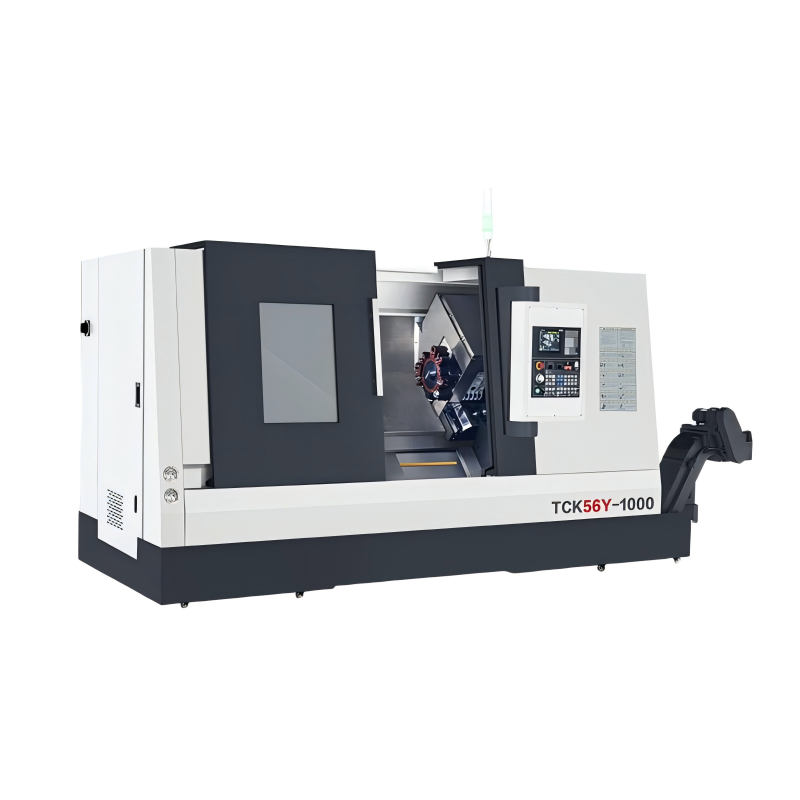
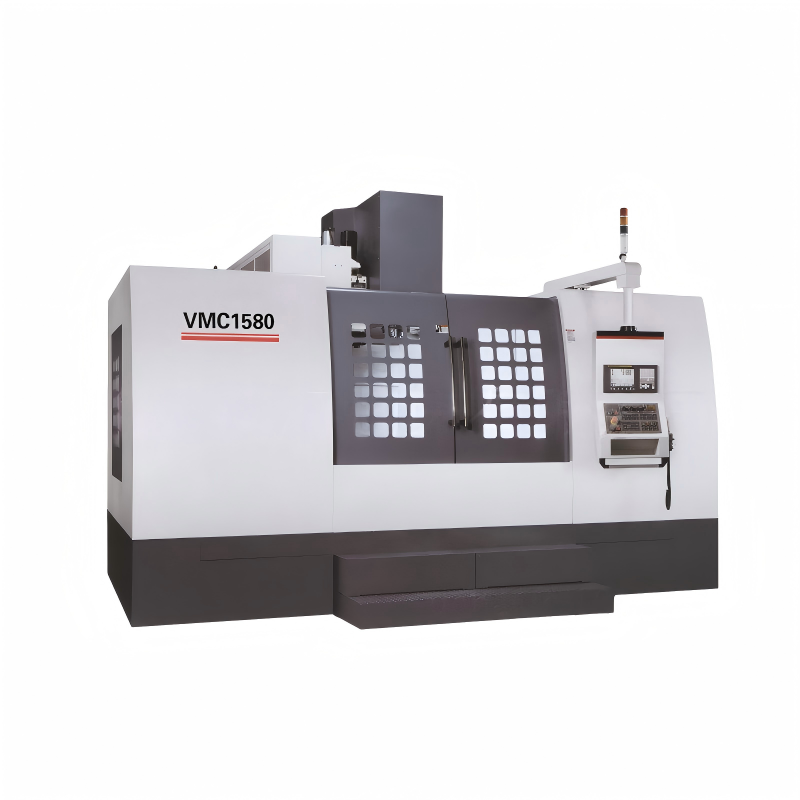
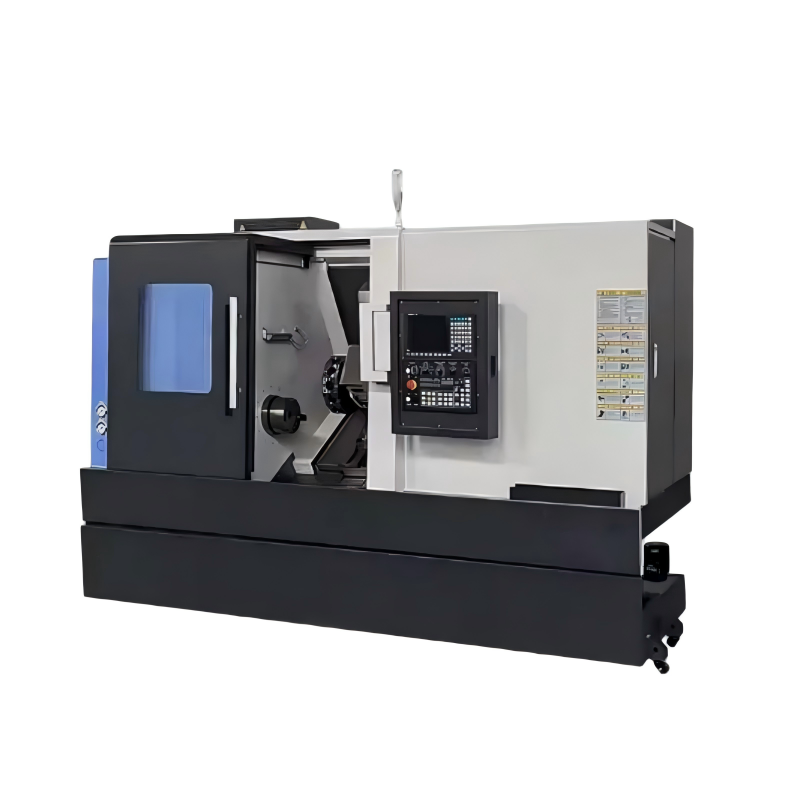
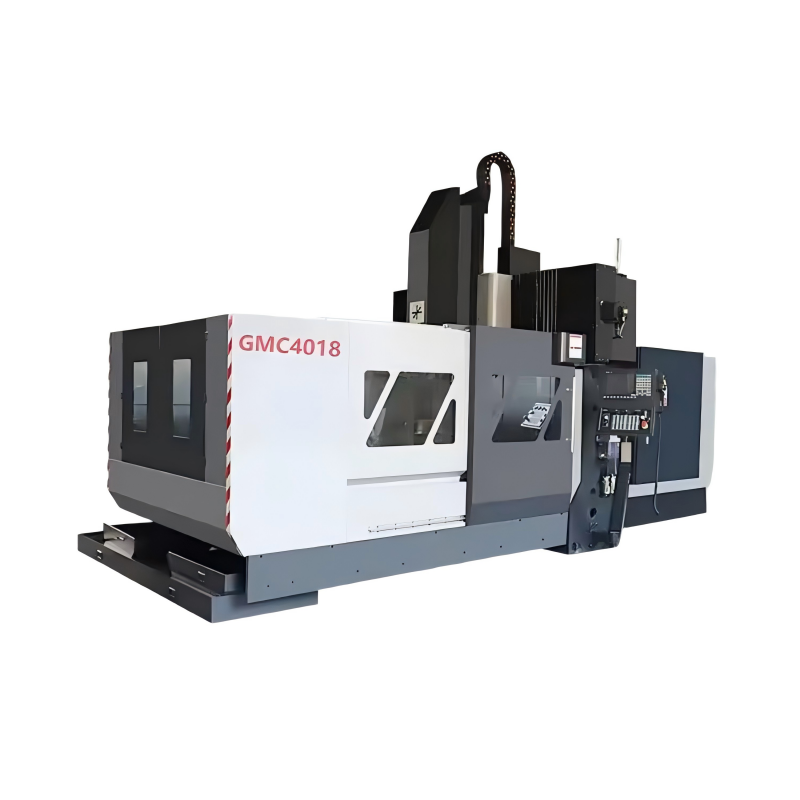
Introduction to Gantry-Based CNC Milling
In the rapidly evolving landscape of modern manufacturing, CNC Milling Machine Gantry systems have emerged as a pivotal technology, capable of meeting the increasingly complex demands of various industries. These systems offer unparalleled precision, flexibility, and efficiency, making them indispensable in today's high-tech production environments. This report delves into the intricacies of gantry-based CNC milling, exploring its key features, advantages, and applications.
Gantry-based CNC milling machines are renowned for their exceptional precision and accuracy. The robust design of the gantry structure ensures that the cutting tool remains stable and precisely positioned throughout the machining process. This stability is crucial for achieving tight tolerances, which is essential in industries such as aerospace, automotive, and medical device manufacturing.
Additionally, the use of advanced control systems and high-precision linear guides further enhances the accuracy of these machines. These components work together to minimize any potential errors, ensuring that the final product meets the highest standards of quality and consistency.
One of the most significant advantages of CNC milling machine gantry systems is their ability to handle large workpieces. The gantry design allows for a wide and deep work envelope, enabling the machining of parts that would be difficult or impossible to process on traditional milling machines. This feature is particularly valuable in industries that require the fabrication of large-scale components, such as wind turbine blades, aircraft fuselages, and heavy machinery parts.
Moreover, the versatility of gantry-based CNC milling machines extends beyond just size. These machines can be equipped with a variety of tools and accessories, allowing them to perform multiple operations in a single setup. This capability not only increases productivity but also reduces the need for additional equipment and labor, leading to cost savings and improved efficiency.
The integration of advanced software and control systems has revolutionized the capabilities of CNC milling machine gantry systems. Modern CNC software, such as CAM (Computer-Aided Manufacturing) and CAD (Computer-Aided Design), enables operators to create and simulate complex machining processes with ease. These tools allow for the optimization of tool paths, reducing cycle times and improving overall efficiency.
Furthermore, the latest control systems, including real-time monitoring and adaptive control, provide operators with enhanced visibility and control over the machining process. Real-time monitoring allows for the detection and correction of any deviations from the intended path, while adaptive control adjusts the machining parameters in response to changing conditions, ensuring optimal performance and quality.
High-speed machining (HSM) is another technological advancement that has significantly enhanced the capabilities of gantry-based CNC milling machines. HSM involves using high spindle speeds and feed rates to achieve faster material removal rates and improved surface finishes. This technique is particularly effective for machining materials that are difficult to cut, such as titanium and stainless steel.
Automation is also playing an increasingly important role in the operation of CNC milling machine gantry systems. Automated features, such as automatic tool changers, pallet changers, and robotic loading and unloading systems, enable continuous and unattended operation, further increasing productivity and reducing labor costs. These automated systems can be integrated seamlessly into the manufacturing process, creating a highly efficient and streamlined workflow.
The aerospace and defense industries are among the primary users of CNC milling machine gantry systems. These machines are used to manufacture critical components such as aircraft wings, fuselages, and engine parts, which require high precision and stringent quality standards. The ability of gantry-based CNC milling machines to handle large and complex parts makes them ideal for these applications.
Additionally, the use of advanced materials, such as composites and exotic alloys, is common in the aerospace industry. Gantry-based CNC milling machines are well-suited for machining these materials, as they can be equipped with specialized tools and cooling systems to handle the unique challenges posed by these materials.
The automotive and heavy machinery industries also benefit greatly from the use of CNC milling machine gantry systems. In the automotive sector, these machines are used to produce a wide range of components, including engine blocks, transmission cases, and chassis parts. The high precision and large work envelopes of gantry-based CNC milling machines make them well-suited for these applications.
In the heavy machinery industry, gantry-based CNC milling machines are used to fabricate large and complex parts, such as excavator booms, crane arms, and mining equipment components. The ability to handle large workpieces and the versatility of these machines make them indispensable in this sector, where durability and reliability are paramount.
One of the key challenges in CNC milling machine gantry systems is thermal deformation, which can affect the accuracy and precision of the machining process. As the machine operates, heat generated by the spindle, motors, and other components can cause the gantry structure to expand and contract, leading to dimensional changes and inaccuracies.
To address this issue, advanced thermal compensation techniques have been developed. These techniques involve the use of temperature sensors and real-time monitoring to detect and correct for thermal deformations. By continuously adjusting the position of the cutting tool, these systems ensure that the machining process remains accurate and consistent, even under varying thermal conditions.
Proper maintenance is crucial for ensuring the longevity and optimal performance of CNC milling machine gantry systems. Regular maintenance tasks, such as lubrication, cleaning, and inspection, help to prevent wear and tear and extend the life of the machine. Additionally, the use of high-quality components and materials, such as hardened steel and precision bearings, contributes to the durability and reliability of these systems.
Training and support are also essential for maintaining the performance of gantry-based CNC milling machines. Operators and maintenance personnel should receive comprehensive training on the proper use and care of the machine. Manufacturers often provide ongoing support, including technical assistance, spare parts, and software updates, to help ensure that the machine continues to operate at peak performance.
The integration of artificial intelligence (AI) and machine learning (ML) is set to revolutionize the field of CNC milling machine gantry systems. AI and ML algorithms can be used to analyze large amounts of data collected during the machining process, providing insights into performance, efficiency, and potential areas for improvement. This data-driven approach can lead to more optimized machining processes, reduced downtime, and increased productivity.
Additionally, AI and ML can be used to develop predictive maintenance models, which can detect potential issues before they become critical. By continuously monitoring the condition of the machine and its components, these models can alert operators to the need for maintenance, helping to prevent unexpected breakdowns and prolong the life of the machine.
Sustainability is becoming an increasingly important consideration in the manufacturing industry, and CNC milling machine gantry systems are no exception. Efforts are being made to reduce the environmental impact of these machines through the use of energy-efficient components, such as variable frequency drives and regenerative braking systems. These technologies help to minimize energy consumption and reduce the carbon footprint of the machining process.
Furthermore, the adoption of green manufacturing practices, such as the use of recycled materials and the implementation of waste reduction strategies, is gaining traction. Gantry-based CNC milling machines can play a role in these efforts by enabling the precise and efficient use of materials, reducing waste and minimizing the environmental impact of the manufacturing process.
Conclusion
Gantry-based CNC milling machines have become a cornerstone of modern manufacturing, offering a combination of precision, versatility, and efficiency that is unmatched by traditional milling methods. The integration of advanced technologies, such as high-speed machining, automation, and AI, has further enhanced the capabilities of these systems, making them indispensable in a wide range of industries. As the demand for high-precision, large-scale machining continues to grow, the future of CNC milling machine gantry systems looks bright, with ongoing innovations and advancements set to drive the industry forward.
 03/06/2026
Introduction to Advanced CNC Milling Machines In the realm of modern manufacturing, the role of Computer Numerical Control (CNC) milling machines has become increasingly significant. These advanced systems, including those with a robust CNC Milling Machin
Read More02/06/2026IntroductionThe advent of CNC (Computer Numerical Control) milling machines has revolutionized the manufacturing industry, enabling high precision and efficiency in the production process. Among the various components that contribute to the performance of
Read More01/06/2026Introduction to CNC Milling Machine InnovationsThe field of Computer Numerical Control (CNC) milling machines has seen a significant evolution over the past few decades. This technology, which is fundamental to modern manufacturing, continues to push boun
Read More31/05/2026Introduction to Gantry Design in CNC Milling In the realm of precision manufacturing, CNC (Computer Numerical Control) milling machines play a crucial role. A key component that significantly influences the efficiency and accuracy of these machines is the
Read More30/05/2026Introduction to CNC Milling MachinesCNC milling machines are a cornerstone of modern manufacturing, providing precision and efficiency in the production of parts. A key component of these systems, particularly for larger workpieces, is the gantry. The CNC
Read More29/05/2026Introduction to Gantry Systems in CNC Milling In the world of precision machining, the CNC milling machine gantry plays a pivotal role in determining the accuracy, stability, and overall performance of the machining process. This article delves into the e
Read More28/05/2026IntroductionThe integration of CNC (Computer Numerical Control) milling machines into modern manufacturing processes has revolutionized the way complex projects are approached. These sophisticated devices, particularly those equipped with gantry systems,
Read MoreOur professional sales team is always ready to assist you.