Introduction to CNC Milling Machine Innovations
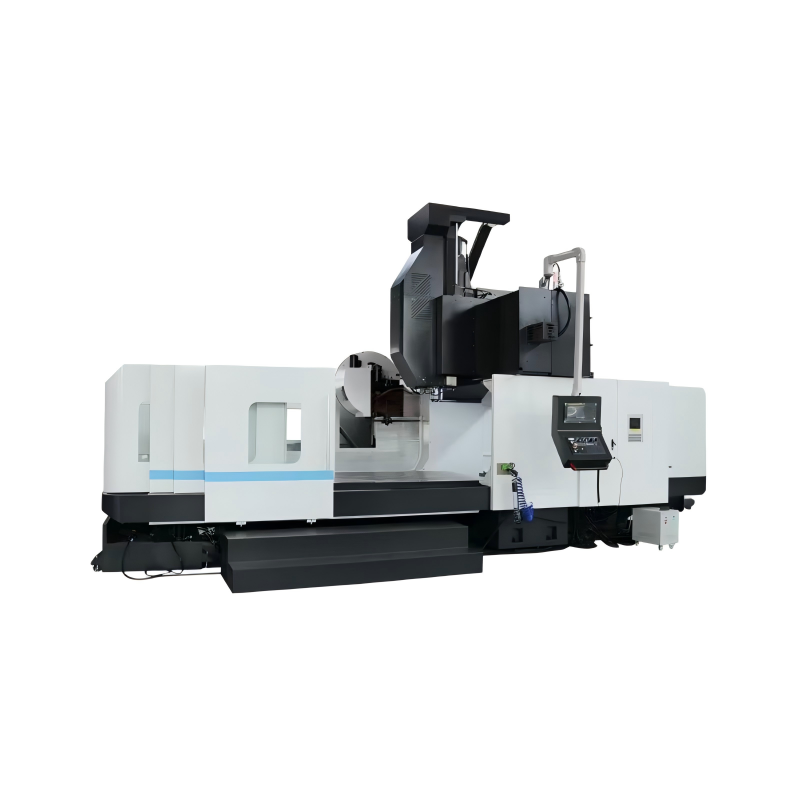
The field of Computer Numerical Control (CNC) milling machines has seen a significant evolution over the past few decades. This technology, which is fundamental to modern manufacturing, continues to push boundaries in terms of precision, efficiency, and versatility. One notable advancement within this domain is the development of the CNC Milling Machine Gantry, which plays a crucial role in enhancing the capabilities of these machines. This report delves into some of the most impactful innovations in CNC milling machine technology, with a particular focus on how advancements in gantry design contribute to overall performance improvements.
One of the key areas where innovation has significantly improved CNC milling machines is in the area of positioning accuracy. Modern CNC systems often incorporate high-resolution encoders that can detect even the slightest movements, ensuring that the tool path is followed with extreme precision. These encoders are not only used for linear axes but also play a vital role in the operation of the CNC milling machine gantry, allowing for more accurate positioning along the X, Y, and Z axes. The integration of such advanced sensing technologies has led to a marked reduction in errors and an increase in part quality, making it possible to produce components with tighter tolerances than ever before.
In addition to hardware improvements, software enhancements have also contributed to better precision. Advanced control algorithms now enable smoother and more controlled movements, reducing vibrations and improving surface finish. These algorithms work in conjunction with the high-resolution encoders to optimize the path taken by the cutting tool, taking into account factors like material properties and tool wear. For gantries, this means that they can move more fluidly and predictably, further enhancing the machine's ability to achieve high levels of accuracy during complex operations.
Efficiency gains in CNC milling machines have been driven by the development of high-speed machining (HSM) techniques. HSM allows for faster removal rates while maintaining or even improving surface finish quality. The design of the CNC milling machine gantry is critical in supporting these high-speed operations. Gantry systems are built to be both lightweight and rigid, minimizing inertia and allowing for rapid acceleration and deceleration without compromising stability. This combination of speed and precision is essential for maximizing productivity in today's fast-paced manufacturing environments.
Another trend in CNC milling machine technology is the integration of multiple functions into a single machine. Multi-tasking machines, which can perform milling, turning, and drilling operations, offer significant advantages in terms of setup time and production flexibility. The gantry system in these machines is designed to support a wide range of tools and accessories, enabling seamless transitions between different operations. By consolidating processes, manufacturers can reduce lead times, lower costs, and improve overall efficiency, making multi-tasking machines a valuable asset in any production facility.
The reliability of CNC milling machines is heavily influenced by the materials used in their construction. Recent innovations have led to the use of more durable and wear-resistant materials for critical components, including the CNC milling machine gantry. High-strength alloys and composite materials are increasingly being employed to create structures that can withstand the rigors of continuous operation. These materials not only enhance the longevity of the machine but also reduce the need for frequent maintenance, leading to lower operating costs and higher uptime.
Advancements in sensor technology and data analytics have paved the way for predictive maintenance in CNC milling machines. By continuously monitoring key parameters such as temperature, vibration, and wear, these systems can detect potential issues before they lead to breakdowns. The gantry, being a critical component, is often equipped with sensors that provide real-time data on its condition. This information is then analyzed to predict when maintenance will be required, allowing for proactive rather than reactive servicing. As a result, downtime is minimized, and the overall reliability of the machine is significantly enhanced.
Flexibility is a key requirement in modern manufacturing, as it allows companies to adapt quickly to changing market demands. Modular design concepts have been introduced to address this need, enabling CNC milling machines to be easily reconfigured for different applications. The CNC milling machine gantry is often designed with modularity in mind, allowing for the addition or removal of components as needed. This approach not only increases the versatility of the machine but also simplifies the process of upgrading or expanding its capabilities. Manufacturers can tailor the machine to their specific needs, whether it's for prototyping, small-batch production, or large-scale manufacturing.
Software customization is another area where CNC milling machines have made significant strides. Modern CNC systems come with highly configurable software that can be adapted to meet the unique requirements of each application. This includes the ability to program complex tool paths, integrate with other manufacturing systems, and implement custom algorithms for specific tasks. The gantry's movement and control can be finely tuned through these software solutions, ensuring optimal performance for a wide range of operations. This level of customization empowers users to optimize their workflows and achieve the best possible results, regardless of the complexity of the job.
As sustainability becomes an increasingly important consideration in manufacturing, there has been a growing focus on developing energy-efficient CNC milling machines. One of the key areas of improvement is in the drives and motors used to power the gantry and other moving parts. Newer, more efficient motor designs and drive systems consume less power while maintaining or even improving performance. This not only reduces the environmental impact of the machine but also lowers operating costs, making it a win-win solution for both the manufacturer and the planet.
Another aspect of sustainability in CNC milling machine technology is the use of recyclable and sustainable materials. Efforts are being made to reduce the environmental footprint of these machines by using materials that can be recycled at the end of their life cycle. This includes the materials used in the construction of the CNC milling machine gantry, as well as other components. Additionally, manufacturers are exploring ways to minimize waste and improve the overall sustainability of their production processes. By adopting these practices, the industry is taking a step towards a more environmentally friendly future.
Conclusion
The innovations in CNC milling machine technology, particularly in the design and functionality of the CNC milling machine gantry, have had a profound impact on the manufacturing industry. These advancements have led to significant improvements in precision, efficiency, reliability, flexibility, and sustainability. As the technology continues to evolve, we can expect to see even more innovative solutions that will further enhance the capabilities of CNC milling machines and drive the industry forward.
 04/06/2026
Introduction to Gantry-Based CNC MillingIn the rapidly evolving landscape of modern manufacturing, CNC milling machine gantry systems have emerged as a pivotal technology, capable of meeting the increasingly complex demands of various industries. These sy
Read More03/06/2026Introduction to Advanced CNC Milling Machines In the realm of modern manufacturing, the role of Computer Numerical Control (CNC) milling machines has become increasingly significant. These advanced systems, including those with a robust CNC Milling Machin
Read More02/06/2026IntroductionThe advent of CNC (Computer Numerical Control) milling machines has revolutionized the manufacturing industry, enabling high precision and efficiency in the production process. Among the various components that contribute to the performance of
Read More31/05/2026Introduction to Gantry Design in CNC Milling In the realm of precision manufacturing, CNC (Computer Numerical Control) milling machines play a crucial role. A key component that significantly influences the efficiency and accuracy of these machines is the
Read More30/05/2026Introduction to CNC Milling MachinesCNC milling machines are a cornerstone of modern manufacturing, providing precision and efficiency in the production of parts. A key component of these systems, particularly for larger workpieces, is the gantry. The CNC
Read More29/05/2026Introduction to Gantry Systems in CNC Milling In the world of precision machining, the CNC milling machine gantry plays a pivotal role in determining the accuracy, stability, and overall performance of the machining process. This article delves into the e
Read More28/05/2026IntroductionThe integration of CNC (Computer Numerical Control) milling machines into modern manufacturing processes has revolutionized the way complex projects are approached. These sophisticated devices, particularly those equipped with gantry systems,
Read MoreOur professional sales team is always ready to assist you.