Introduction
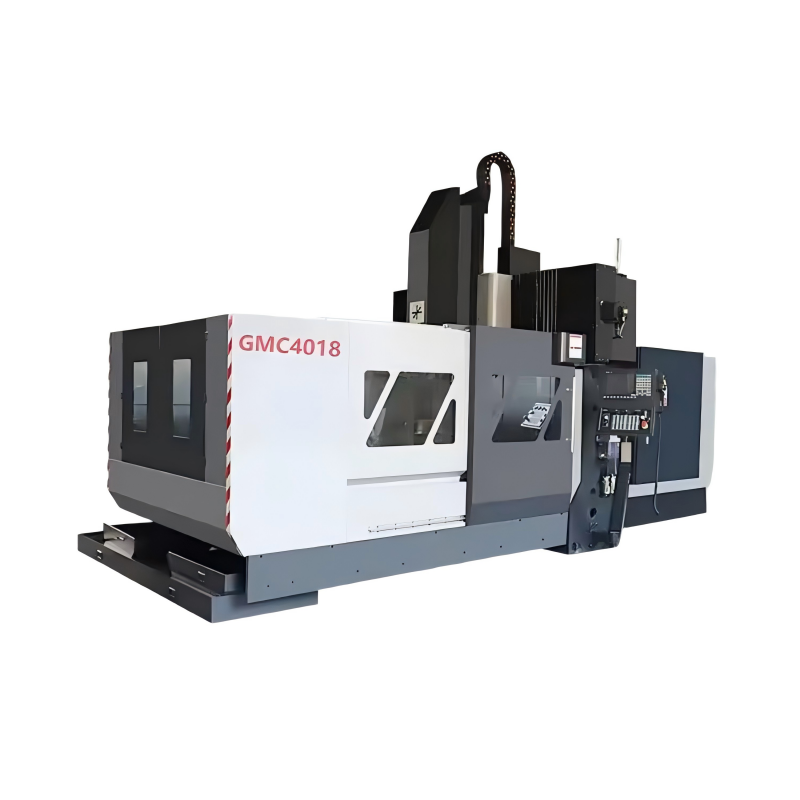
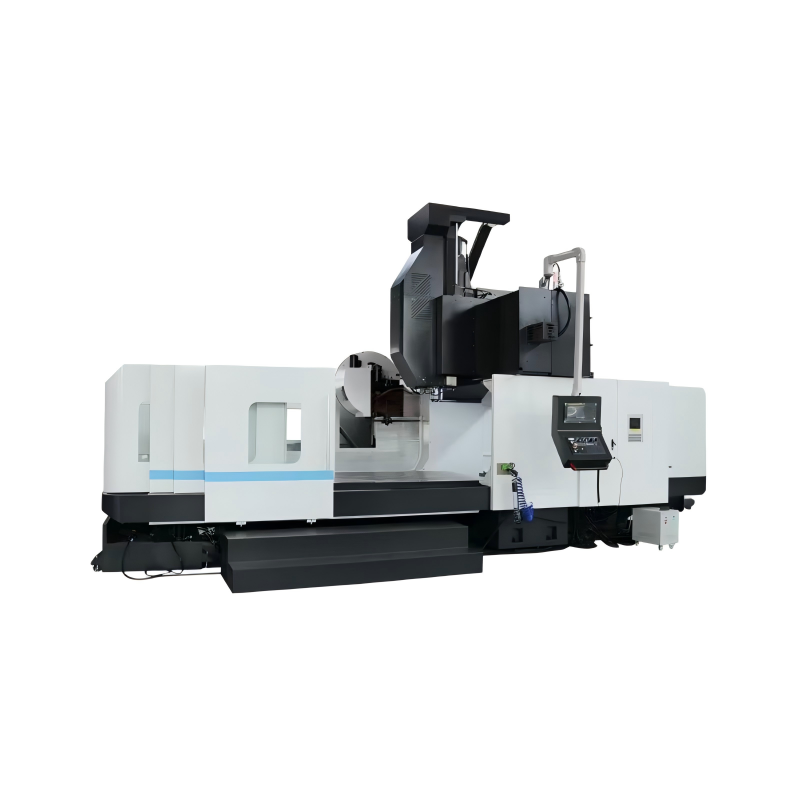
The advent of CNC (Computer Numerical Control) milling machines has revolutionized the manufacturing industry, enabling high precision and efficiency in the production process. Among the various components that contribute to the performance of a CNC milling machine, the gantry structure plays an indispensable role, especially in large-scale applications. This technical report aims to explore the importance of the gantry structure in large-scale CNC milling, highlighting its critical functions and benefits.
A well-designed gantry structure is fundamental to the overall stability and integrity of a CNC milling machine. The gantry, which typically consists of a rigid frame that supports the moving parts of the machine, must be robust enough to withstand the forces generated during the milling process.
The choice of materials for the gantry structure is crucial. High-strength steel or aluminum alloys are commonly used due to their excellent mechanical properties, such as high tensile strength and good fatigue resistance. These materials ensure that the gantry can handle the dynamic loads and vibrations without deforming or failing.
Designing the gantry involves careful consideration of factors such as weight distribution, rigidity, and alignment. Finite Element Analysis (FEA) is often employed to simulate the stresses and deformations in the gantry under various operating conditions. This helps in optimizing the design to achieve the best balance between strength and weight.
Precision and accuracy are paramount in CNC milling, and the gantry structure plays a vital role in achieving these. The gantry must provide a stable platform for the movement of the cutting tool, ensuring that the tool path is accurately followed.
Linear motion systems, such as linear guides and ball screws, are integral to the gantry. These systems enable smooth and precise movement of the milling head along the X, Y, and Z axes. The quality and precision of these components directly affect the accuracy of the milling operation.
Regular calibration and maintenance of the gantry are essential to maintain the machine's precision. This includes checking and adjusting the alignment of the linear guides, lubricating the ball screws, and verifying the accuracy of the position sensors. Proper maintenance ensures that the gantry continues to deliver high-precision results over time.
The load capacity and rigidity of the gantry are critical for handling heavy workpieces and performing high-force milling operations. A structurally sound gantry can support the weight of the workpiece and the forces exerted by the cutting tool without compromising the machine's performance.
In large-scale CNC milling, the gantry must be capable of supporting heavy and bulky workpieces. This requires a robust and rigid structure that can distribute the weight evenly and prevent any deflection or deformation. The use of reinforced cross-sections and additional bracing can enhance the gantry's load-bearing capacity.
Vibration is a common issue in milling operations, and it can significantly affect the surface finish and dimensional accuracy of the machined part. A well-designed gantry with high rigidity can minimize the transmission of vibrations, ensuring a smoother and more accurate machining process. Damping materials and vibration-isolation techniques can further reduce the impact of vibrations.
A flexible and adaptable gantry structure allows for a wide range of milling operations, making the CNC milling machine versatile and suitable for various applications. The ability to adjust the gantry configuration to accommodate different workpiece sizes and shapes is a significant advantage.
Modular gantry designs allow for easy reconfiguration and expansion. This flexibility enables the CNC milling machine to adapt to changing production requirements and handle a variety of workpieces. Modules can be added or removed as needed, providing a cost-effective solution for upgrading the machine's capabilities.
Customization options for the gantry structure can include the addition of auxiliary equipment, such as coolant systems, chip removal systems, and tool changers. These features can enhance the machine's functionality and productivity. The ability to customize the gantry also allows for the integration of specialized tools and accessories, further expanding the machine's versatility.
The longevity and reliability of the gantry structure are essential for the long-term performance and cost-effectiveness of the CNC milling machine. A durable and reliable gantry can withstand the rigors of continuous operation and minimize downtime and maintenance costs.
High-quality materials and advanced manufacturing techniques, such as heat treatment and surface hardening, can enhance the durability and wear resistance of the gantry. These treatments improve the material's resistance to wear and corrosion, extending the lifespan of the gantry and reducing the need for frequent replacements.
Predictive maintenance strategies, such as condition monitoring and data analysis, can help in identifying potential issues with the gantry before they lead to failures. Sensors and monitoring systems can track the health of the gantry, providing real-time data on its performance and condition. This proactive approach can help in scheduling maintenance activities and minimizing unplanned downtime.
Conclusion
The gantry structure is a critical component of a large-scale CNC milling machine, contributing significantly to its performance, precision, and reliability. By ensuring structural integrity, precision, load capacity, flexibility, and longevity, the gantry enables the machine to handle a wide range of milling operations with high efficiency and accuracy. As the technology continues to advance, the design and engineering of the gantry will play an increasingly important role in the future of CNC milling.
 04/06/2026
Introduction to Gantry-Based CNC MillingIn the rapidly evolving landscape of modern manufacturing, CNC milling machine gantry systems have emerged as a pivotal technology, capable of meeting the increasingly complex demands of various industries. These sy
Read More03/06/2026Introduction to Advanced CNC Milling Machines In the realm of modern manufacturing, the role of Computer Numerical Control (CNC) milling machines has become increasingly significant. These advanced systems, including those with a robust CNC Milling Machin
Read More01/06/2026Introduction to CNC Milling Machine InnovationsThe field of Computer Numerical Control (CNC) milling machines has seen a significant evolution over the past few decades. This technology, which is fundamental to modern manufacturing, continues to push boun
Read More31/05/2026Introduction to Gantry Design in CNC Milling In the realm of precision manufacturing, CNC (Computer Numerical Control) milling machines play a crucial role. A key component that significantly influences the efficiency and accuracy of these machines is the
Read More30/05/2026Introduction to CNC Milling MachinesCNC milling machines are a cornerstone of modern manufacturing, providing precision and efficiency in the production of parts. A key component of these systems, particularly for larger workpieces, is the gantry. The CNC
Read More29/05/2026Introduction to Gantry Systems in CNC Milling In the world of precision machining, the CNC milling machine gantry plays a pivotal role in determining the accuracy, stability, and overall performance of the machining process. This article delves into the e
Read More28/05/2026IntroductionThe integration of CNC (Computer Numerical Control) milling machines into modern manufacturing processes has revolutionized the way complex projects are approached. These sophisticated devices, particularly those equipped with gantry systems,
Read MoreOur professional sales team is always ready to assist you.