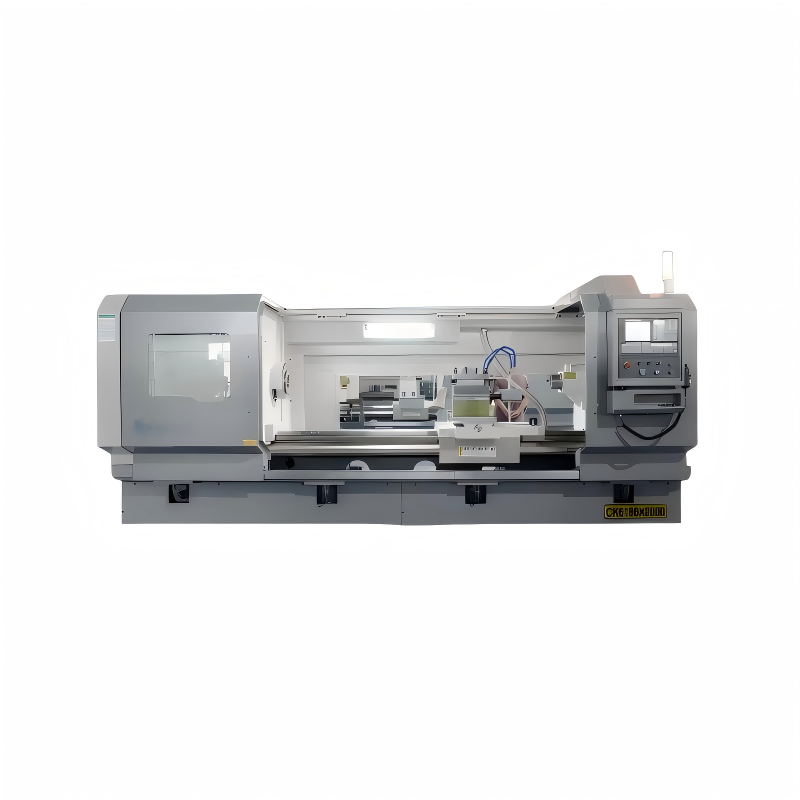
A Conventional Pipe Thread Lathe is an essential tool in many industrial settings, used for cutting threads on pipes and other cylindrical workpieces. Proper maintenance and safe operation are crucial to ensure the longevity of the machine and the safety of the operator. This technical report will cover key aspects of maintaining and operating a conventional pipe thread lathe safely.
The conventional pipe thread lathe is designed to cut threads on pipes and other cylindrical objects. It consists of a headstock, tailstock, carriage, and tool post. The headstock holds the workpiece, while the tailstock provides support at the other end. The carriage moves along the bed of the lathe, allowing the cutting tool to engage with the workpiece. Understanding the components and their functions is the first step in ensuring safe and effective use.
Regular maintenance is essential to keep the conventional pipe thread lathe in optimal condition. Here are some key maintenance practices:
Safe operation of the conventional pipe thread lathe is critical to prevent accidents and injuries. Follow these safety protocols:
Proper training and documentation are essential for the safe and efficient operation of a conventional pipe thread lathe. Here are some key points to consider:
Even with proper maintenance and operation, issues may arise. Here are some common problems and their solutions:
By following these guidelines, you can ensure that your conventional pipe thread lathe operates safely and efficiently, providing reliable and high-quality thread cutting for years to come.
 29/06/2026
Introduction to Conventional Pipe Thread Lathe A conventional pipe thread lathe is a specialized machine designed for the production of threads on pipes, making it an essential tool in various industries such as plumbing, oil and gas, and manufacturing. T
Read More28/06/2026The conventional pipe thread lathe, a staple in the manufacturing and maintenance industries, has been instrumental in producing high-quality threaded pipes for various applications. This report aims to explore how the use of a conventional pipe thread la
Read More27/06/2026Understanding the Basics of a Conventional Pipe Thread Lathe A conventional pipe thread lathe is a specialized machine designed to create threads on pipes, making it an indispensable tool in plumbing and manufacturing industries. This section will provide
Read More26/06/2026In the ever-evolving landscape of modern manufacturing, the role of conventional pipe thread lathe has become increasingly significant. This tool, often overlooked in favor of more advanced machinery, continues to play a vital part in various industries,
Read More25/06/2026The field of machining has seen significant advancements over the years, yet the conventional pipe thread lathe remains a cornerstone in many industrial applications. This report aims to explore the precision and effectiveness of conventional pipe thread
Read MoreOur professional sales team is always ready to assist you.