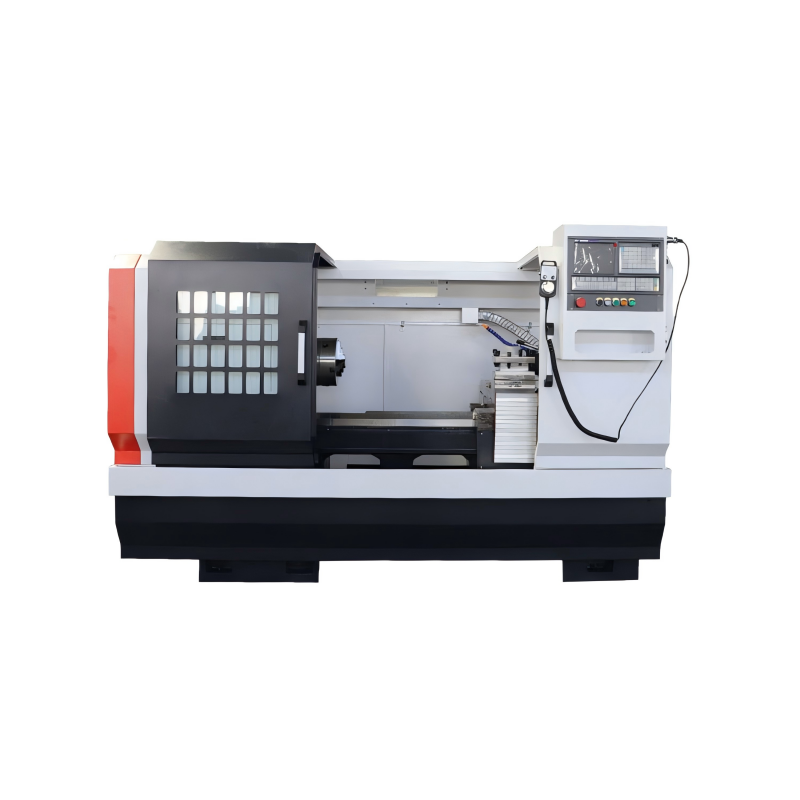
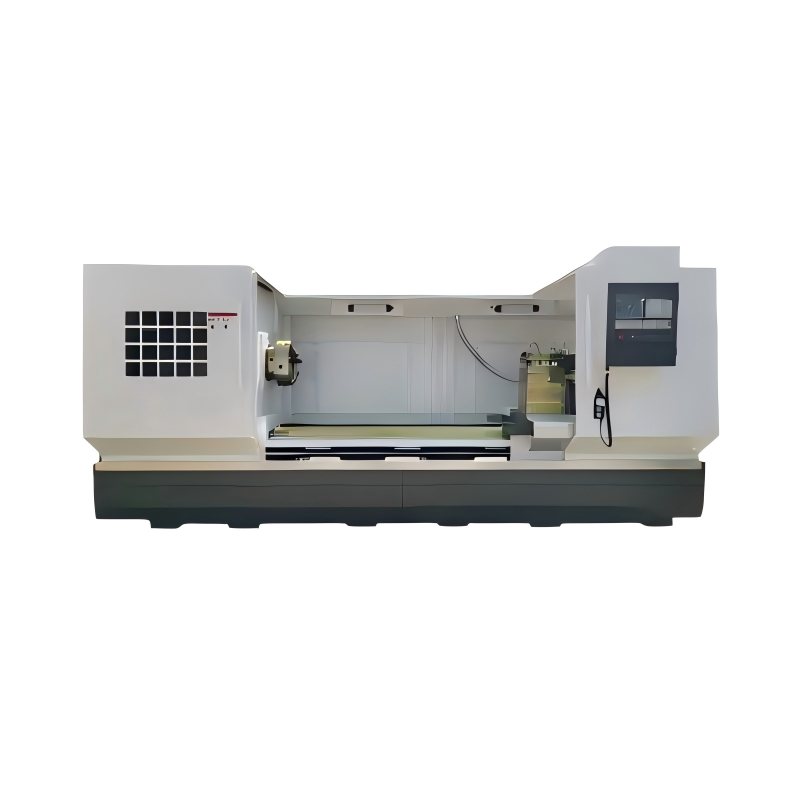
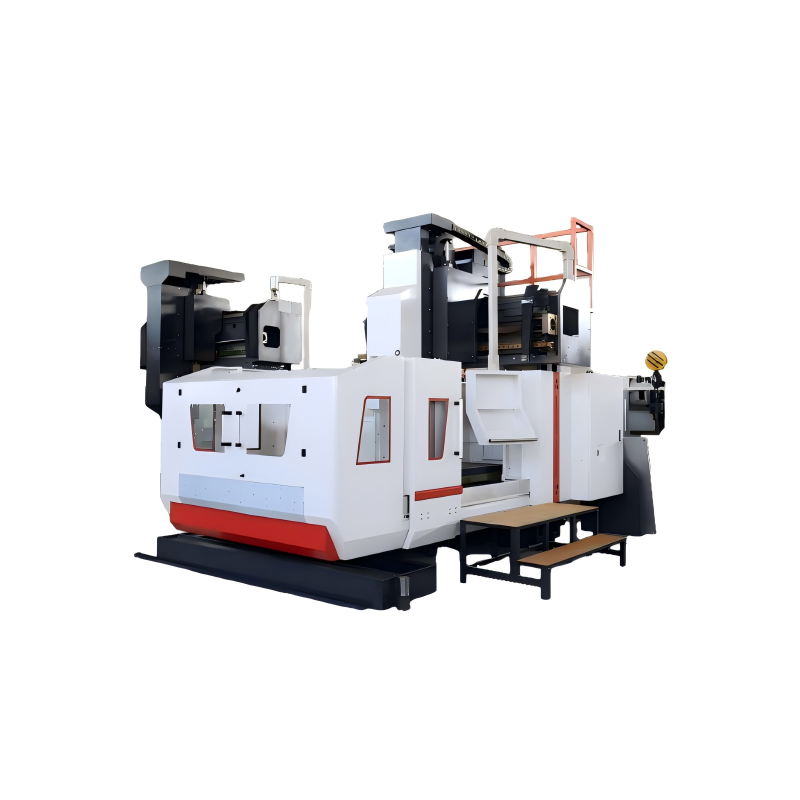
As the global market continues to expand, the demand for high-quality Lathe Machine Exporter products has never been higher. In this report, we will explore how lathe machine exporters can maximize efficiency in their operations, thereby increasing profitability and customer satisfaction. We will discuss several key strategies that can be implemented to streamline processes, reduce costs, and improve overall performance.
One of the most critical aspects of maximizing efficiency in lathe machine export operations is optimizing the supply chain. A well-managed supply chain ensures that raw materials are sourced efficiently, production schedules are adhered to, and finished products are delivered on time. Here are some steps that can be taken to optimize the supply chain:
Improving production efficiency is another key factor in maximizing the effectiveness of lathe machine export operations. By streamlining the manufacturing process, companies can increase output, reduce waste, and lower operational costs. Here are some strategies to enhance production efficiency:
The use of technology and data analytics can provide valuable insights into the performance of lathe machine export operations. By leveraging these tools, companies can make data-driven decisions, identify areas for improvement, and implement changes that drive efficiency. Here are some ways to leverage technology and data analytics:
Compliance with international regulations and standards is crucial for lathe machine exporters. Failure to comply can result in delays, fines, and reputational damage. Ensuring that products meet the necessary requirements for different markets is also important for gaining access to new customers. Here are some steps to ensure regulatory compliance and market access:
Customer satisfaction is a key driver of success for any lathe machine exporter. Building and maintaining strong customer relationships can lead to repeat business, positive referrals, and a competitive edge in the market. Here are some strategies to build strong customer relationships:
By implementing these strategies, lathe machine exporters can maximize efficiency in their operations, leading to increased profitability, improved customer satisfaction, and a stronger competitive position in the global market. The key is to continuously evaluate and refine processes, stay abreast of technological advancements, and prioritize the needs of customers and stakeholders.
 27/06/2026
The lathe machine industry has seen significant transformations over the past few decades, driven by technological advancements and global market demands. As a Lathe Machine Exporter, staying ahead of these changes is crucial for maintaining a competitive
Read More26/06/2026In the global manufacturing landscape, the role of a Lathe Machine Exporter is pivotal. As businesses seek to expand their production capabilities or replace outdated machinery, selecting the right exporter becomes a critical decision. This report aims to
Read More25/06/2026In the global manufacturing landscape, lathe machine exporters play a crucial role in supplying high-precision machinery to various industries. These machines are essential for shaping and machining metal, wood, and other materials, making them indispensa
Read More24/06/2026In the realm of international trade, the exportation of lathe machines has become a significant economic activity. As global markets expand and technological advancements continue to evolve, the role of technology in enhancing lathe machine exporter capab
Read More23/06/2026The global market for lathe machines is a dynamic and ever-evolving space, driven by technological advancements and the increasing demand for precision manufacturing. As an Lathe Machine Exporter, understanding the intricacies of this market, its trends,
Read More23/06/2026In the world of manufacturing, the lathe machine stands as a cornerstone for precision and efficiency. For those who seek to expand their reach globally, becoming a leading lathe machine exporter is not just about selling machines; it's about ensuring tha
Read More23/06/2026In the realm of industrial manufacturing, selecting the right lathe machine is crucial for achieving high precision and efficiency. This technical report aims to guide manufacturers in choosing the most suitable lathe machine for their specific needs, wit
Read More23/06/2026The evolution of lathe technology has been a cornerstone in the advancement of metalworking, enabling more precise and efficient manufacturing processes. As a Lathe Machine Exporter, it is essential to stay at the forefront of these developments to meet t
Read More23/06/2026In today's global manufacturing landscape, the role of a Lathe Machine Exporter has become increasingly significant. As industries around the world strive to maintain competitiveness and efficiency, the demand for high-quality, reliable lathe machines con
Read More23/06/2026Understanding the Role of Advanced Lathe Machines in Modern ManufacturingIn today’s fast-paced industrial landscape, manufacturers are constantly seeking ways to improve efficiency and reduce costs. One of the key tools that have revolutionized the machin
Read MoreOur professional sales team is always ready to assist you.