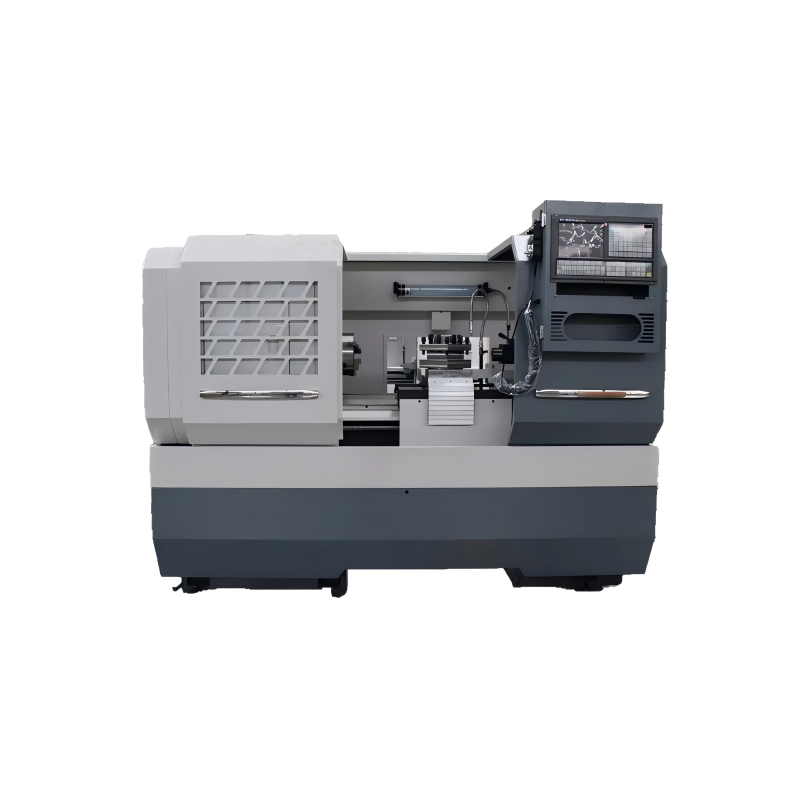
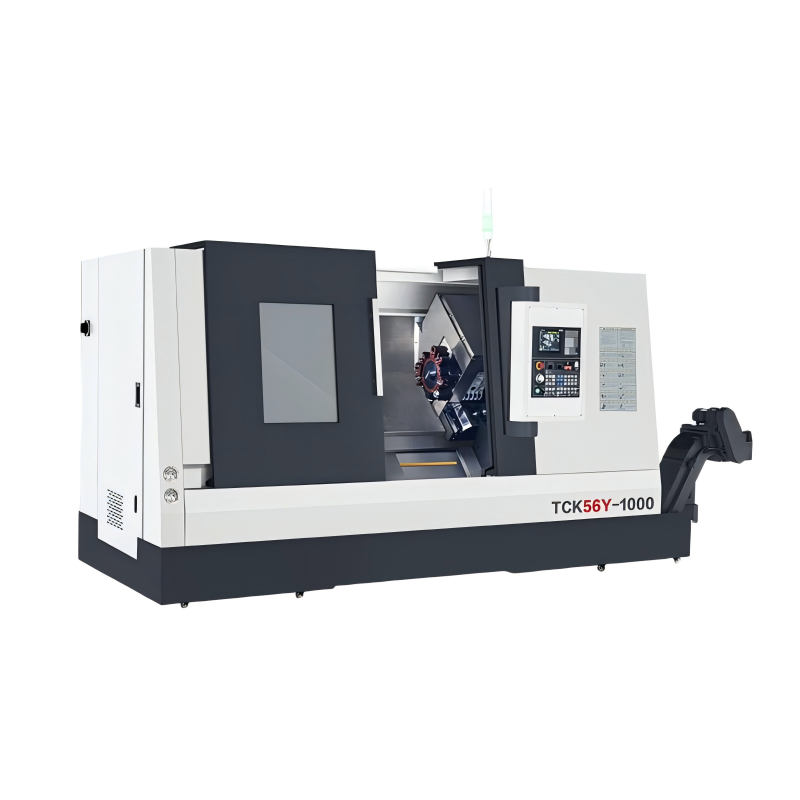
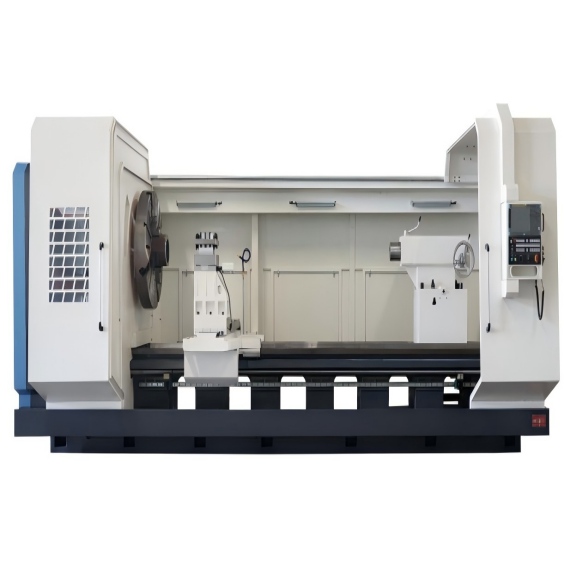
The X-Z Axis CNC Lathe is a powerful tool in the world of precision machining, offering unparalleled control over the manufacturing process. This article delves into mastering Z-Axis techniques to achieve superior results with your CNC Lathe. By focusing on specific strategies and approaches, operators can significantly enhance their work's quality and efficiency.
Understanding the Importance of Z-Axis Control
In any CNC lathe operation, the Z-axis plays a crucial role in determining the final product's accuracy and finish. The Z-axis controls the longitudinal movement of the cutting tool or the workpiece, depending on the machine setup. Precise control over this axis is essential for achieving consistent dimensions and surface finishes. Operators must understand that even minor variations in Z-axis positioning can lead to significant deviations in the finished part, making it imperative to master these techniques.
One key aspect of Z-axis control involves setting up the correct parameters within the CNC program. This includes defining the start and end points accurately, as well as specifying the appropriate feed rates and speeds. Additionally, regular calibration and maintenance of the Z-axis mechanism are vital to ensure long-term reliability and performance. By prioritizing these aspects, operators can lay a solid foundation for more advanced Z-axis techniques.
Optimizing Tool Path Strategies for Enhanced Efficiency
When working with an X-Z Axis CNC Lathe, optimizing the tool path is another critical factor in achieving superior results. An optimized tool path not only reduces machining time but also minimizes wear on both the tool and the machine. One effective strategy is to use high-efficiency machining (HEM) techniques, which involve varying the depth of cut and feed rate to maintain constant chip load. This approach helps in distributing the cutting forces evenly, thereby extending tool life and improving surface finish.
Another technique is to employ adaptive tool paths, where the software automatically adjusts the tool path based on the geometry of the part and the material being machined. Adaptive tool paths can significantly reduce air cutting and improve overall productivity. Furthermore, using simulation tools to visualize and analyze the tool path before actual machining can help identify potential issues and optimize the process further. By integrating these strategies, operators can achieve higher efficiency and better results with their X-Z Axis CNC Lathe.
Implementing Advanced Features for Precision Machining
To truly master the Z-Axis techniques and achieve superior results, operators should leverage the advanced features available in modern X-Z Axis CNC Lathes. These features include probe-based measurement systems, automatic tool changers, and integrated quality control systems. Probe-based measurement systems allow for in-process inspection, enabling real-time adjustments to be made to the Z-axis position and other parameters. This ensures that the part remains within specified tolerances throughout the machining process.
Automatic tool changers (ATCs) are another valuable feature that can significantly enhance productivity. ATCs enable rapid and accurate tool changes, reducing downtime and increasing throughput. Moreover, integrated quality control systems, such as on-machine probing and in-process inspection, provide continuous monitoring and feedback, ensuring that the final product meets the highest standards of quality and precision.
By incorporating these advanced features and techniques, operators can push the boundaries of what is possible with an X-Z Axis CNC Lathe. The combination of precise Z-axis control, optimized tool paths, and advanced machine features creates a robust framework for achieving superior results in every machining project.
Mastering Z-Axis techniques for an X-Z Axis CNC Lathe is a journey that requires a deep understanding of the machine's capabilities and a commitment to continuous improvement. By focusing on the importance of Z-axis control, optimizing tool path strategies, and implementing advanced features, operators can unlock the full potential of their CNC lathe and deliver exceptional results consistently.
 27/06/2026



