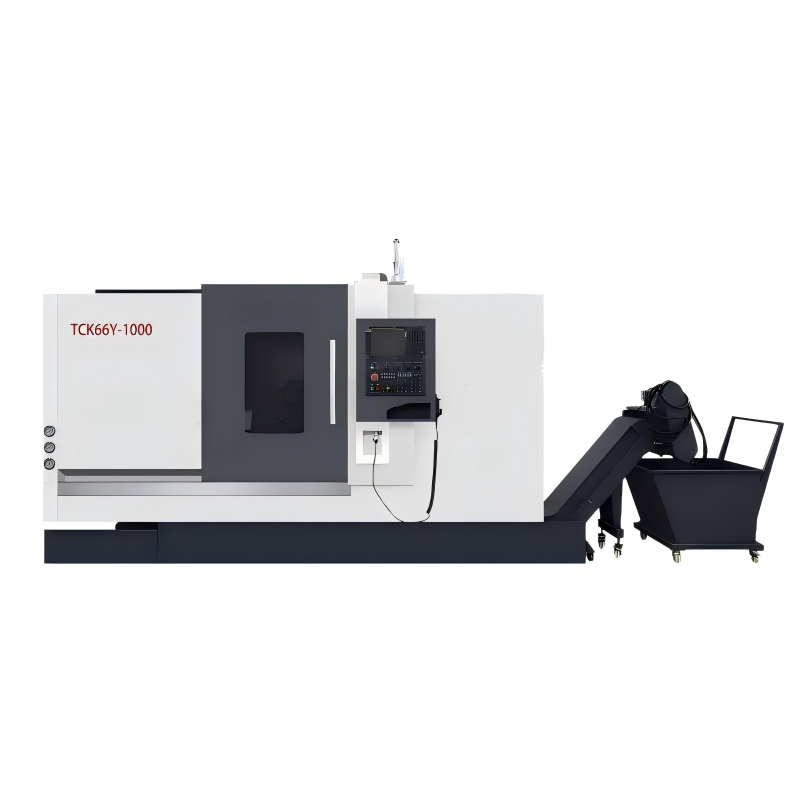
The world of manufacturing has seen significant advancements with the integration of CNC (Computer Numerical Control) technology. One such critical piece of machinery in this domain is the X-Z Axis CNC Lathe, which plays a pivotal role in producing high-precision parts. This article aims to provide a comprehensive guide on calibrating the X-axis of an X-Z Axis CNC Lathe, ensuring optimal performance and accuracy.
Understanding the Importance of X-Axis Calibration
X-axis calibration is a fundamental step in maintaining the precision and reliability of any CNC lathe. The X-axis, typically responsible for the horizontal movement of the cutting tool, must be accurately calibrated to ensure that the final product meets the required specifications. Misalignment or inaccuracies in the X-axis can lead to defective parts, increased scrap rates, and higher production costs. Therefore, regular calibration is essential to maintain the machine's efficiency and productivity.
To understand why X-axis calibration is crucial, it is important to recognize that even minor deviations can have a significant impact on the final product. For instance, if the X-axis is not properly aligned, the tool may cut at an incorrect angle or depth, resulting in parts that do not meet the desired tolerances. This can be particularly problematic in industries where precision is paramount, such as aerospace, automotive, and medical device manufacturing.
Tools and Equipment Required for X-Axis Calibration
Before diving into the calibration process, it is essential to gather the necessary tools and equipment. The following items are typically required for X-axis calibration on an X-Z Axis CNC Lathe:
- Dial Indicator: A dial indicator is used to measure small distances and angles. It is crucial for checking the alignment and straightness of the X-axis.
- Magnetic Base Stand: A magnetic base stand is used to secure the dial indicator in place during the calibration process. It ensures that the indicator remains stable and provides accurate readings.
- Calibration Rod or Bar: A calibration rod or bar is used as a reference point to check the alignment of the X-axis. It should be made of a material that is both rigid and non-magnetic to avoid interference with the magnetic base stand.
- Set of Allen Keys: Allen keys are used to adjust the screws and bolts that hold the X-axis in place. They are essential for making fine adjustments during the calibration process.
- Lubricant: Lubricant is used to reduce friction between moving parts and ensure smooth operation. Applying lubricant before calibration can help in achieving more accurate results.
Having these tools and equipment ready will streamline the calibration process and ensure that you achieve the best possible results.
Step-by-Step Guide to X-Axis Calibration
Now that you have gathered all the necessary tools and equipment, let's dive into the step-by-step process of calibrating the X-axis on an X-Z Axis CNC Lathe. Follow these steps carefully to ensure accurate and reliable results:
- Prepare the Machine: Start by turning off the power to the CNC lathe and allowing it to cool down if it has been in use. Clean the X-axis and the surrounding area to remove any debris or contaminants that could affect the calibration process.
- Secure the Dial Indicator: Attach the dial indicator to the magnetic base stand and position it so that the tip of the indicator is in contact with the calibration rod or bar. Ensure that the dial indicator is securely mounted and does not move during the calibration process.
- Check for Initial Alignment: Move the X-axis along its entire range of motion while observing the dial indicator. Note any deviations or inconsistencies in the readings. If the readings are consistent, the X-axis is likely already well-aligned. If there are significant variations, proceed to the next steps.
- Adjust the X-Axis: Using the set of Allen keys, make small adjustments to the screws and bolts that hold the X-axis in place. Focus on areas where the dial indicator shows the most deviation. Make incremental adjustments and recheck the alignment after each change.
- Recheck the Alignment: After making the necessary adjustments, move the X-axis again and observe the dial indicator. The readings should now be more consistent. If the alignment is still not satisfactory, repeat the adjustment and rechecking process until the desired accuracy is achieved.
- Finalize the Calibration: Once the X-axis is properly aligned, apply a small amount of lubricant to the moving parts to ensure smooth operation. Turn the power back on and run a test program to verify that the X-axis is functioning correctly.
By following these steps, you can effectively calibrate the X-axis of your X-Z Axis CNC Lathe and ensure that it operates at peak performance.
Common Issues and Troubleshooting Tips
Despite careful calibration, issues can still arise. Here are some common problems and troubleshooting tips to help you address them:
- Inconsistent Readings: If the dial indicator shows inconsistent readings, it may be due to loose mounting or a faulty indicator. Double-check the mounting and ensure that the dial indicator is functioning correctly.
- Excessive Wear and Tear: Over time, the X-axis components can wear out, leading to misalignment. Regular maintenance and timely replacement of worn parts can help prevent this issue.
- Environmental Factors: Temperature and humidity can affect the accuracy of the X-axis. Ensure that the CNC lathe is operating in a controlled environment to minimize the impact of these factors.
- Software Errors: Sometimes, the issue may lie in the software controlling the CNC lathe. Check for any software updates and ensure that the machine is running the latest version of the control software.
By addressing these common issues, you can maintain the accuracy and reliability of your X-Z Axis CNC Lathe.
Conclusion
X-axis calibration is a critical aspect of maintaining the precision and efficiency of an X-Z Axis CNC Lathe. By understanding the importance of calibration, gathering the necessary tools, and following a systematic approach, you can ensure that your machine operates at its best. Regular calibration, combined with proper maintenance and troubleshooting, will help you achieve high-quality, precise parts and maximize the lifespan of your CNC lathe.

 28/06/2026



