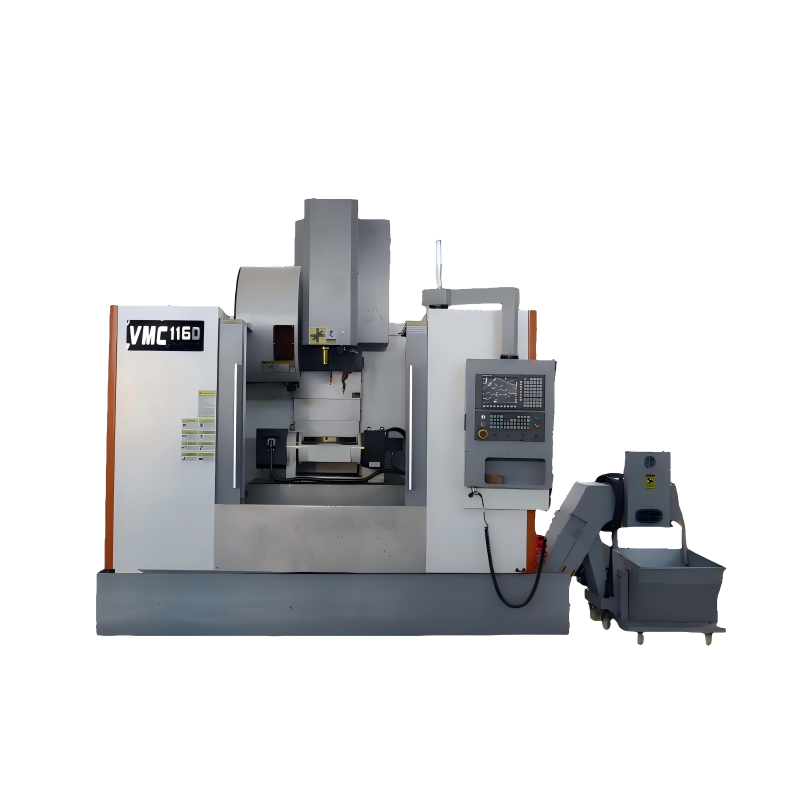
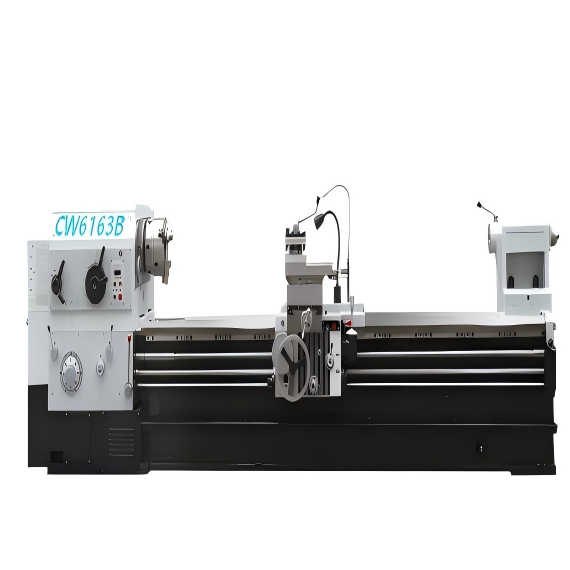
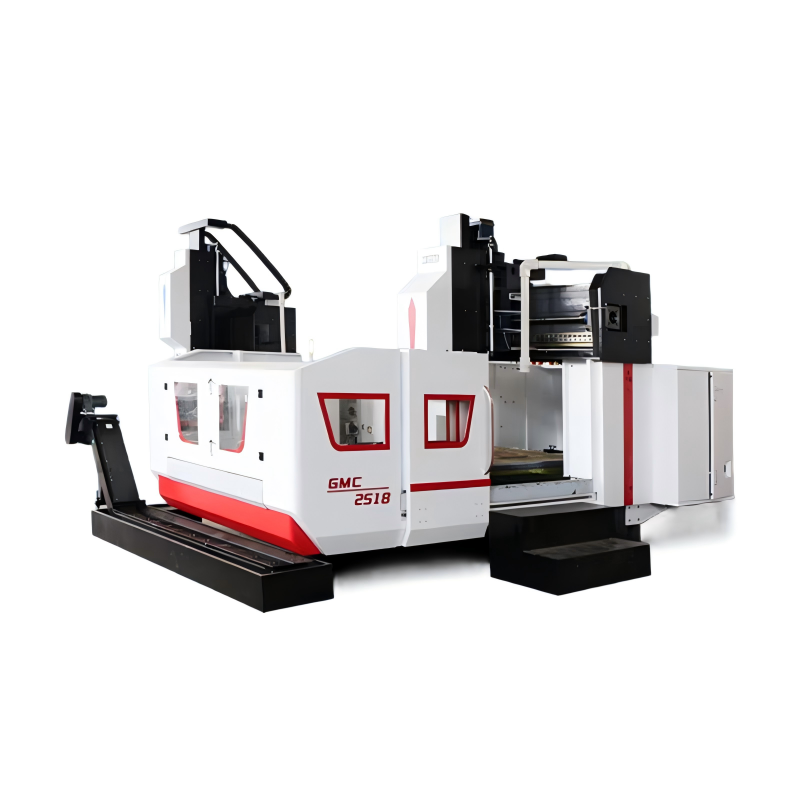
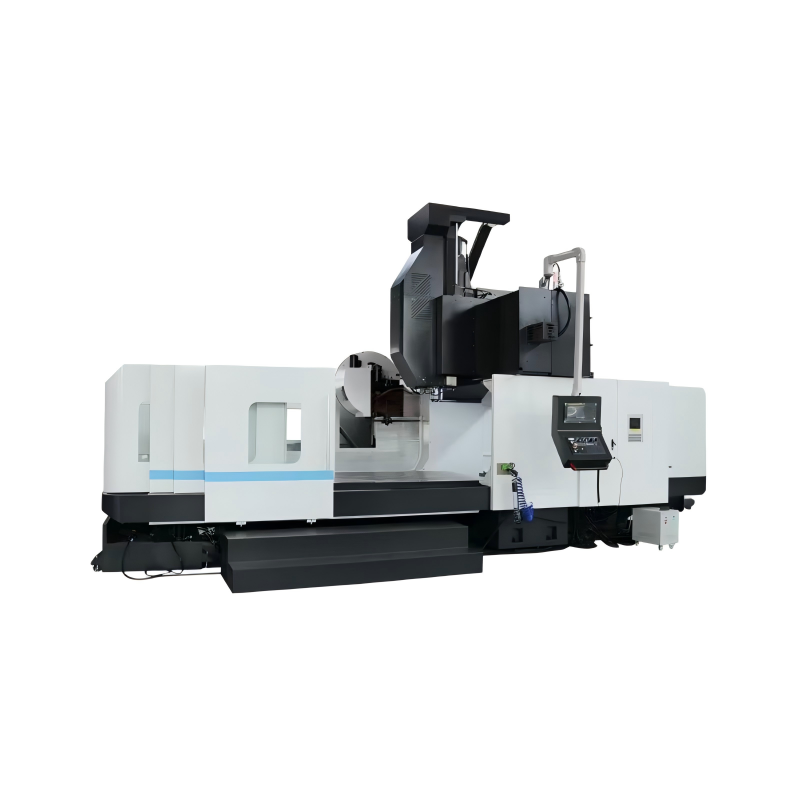
The lathe machine industry has seen significant transformations over the past few decades, driven by technological advancements and global market demands. As a Lathe Machine Exporter, staying ahead of these changes is crucial for maintaining a competitive edge. This report explores the key innovations that are propelling the success of lathe machine exporters, highlighting the importance of embracing new technologies, adapting to changing market needs, and fostering sustainable practices.
One of the most significant innovations driving the success of lathe machine exporters is the continuous advancement in Computer Numerical Control (CNC) technology. CNC Lathes have become the standard in precision machining, offering unparalleled accuracy, repeatability, and efficiency. These machines can perform complex operations with minimal human intervention, reducing the likelihood of errors and increasing productivity.
Modern CNC lathes are equipped with advanced features such as multi-axis capabilities, live tooling, and high-speed spindles. These features enable the production of intricate parts with tight tolerances, making them ideal for industries such as aerospace, automotive, and medical devices. For a Lathe Machine Exporter, investing in state-of-the-art CNC technology is essential to meet the high standards of international clients and stay competitive in the global market.
The integration of the Internet of Things (IoT) and smart manufacturing technologies is another critical innovation that is reshaping the lathe machine industry. IoT-enabled lathes can collect and analyze real-time data on machine performance, tool wear, and production metrics. This data-driven approach allows for predictive maintenance, reducing downtime and extending the lifespan of the machines.
Smart manufacturing also enables remote monitoring and control, allowing Lathe Machine Exporters to provide better customer support and service. By leveraging IoT, exporters can offer value-added services such as remote diagnostics, proactive maintenance, and performance optimization, which can significantly enhance customer satisfaction and loyalty.
Sustainability is becoming an increasingly important factor in the global manufacturing landscape. Customers and regulatory bodies are placing greater emphasis on environmental responsibility, and Lathe Machine Exporters must adapt to these changing expectations. One way to achieve this is through the adoption of green manufacturing practices.
Green manufacturing involves the use of energy-efficient machines, the reduction of waste, and the implementation of recycling programs. Modern lathes are designed with energy-saving features, such as variable speed drives and optimized cooling systems, which help reduce power consumption. Additionally, the use of recycled materials and the implementation of waste management strategies can further minimize the environmental impact of lathe machine production.
By adopting sustainable practices, Lathe Machine Exporters not only contribute to a more environmentally friendly future but also gain a competitive advantage in the market. Many customers are willing to pay a premium for products and services that align with their sustainability goals, making it a win-win situation for both the exporter and the environment.
In today's global market, one-size-fits-all solutions are no longer sufficient. Customers are looking for customized and flexible solutions that can meet their specific needs. Lathe Machine Exporters who can offer tailored solutions and adapt to changing customer requirements are more likely to succeed.
Customization can take many forms, from designing lathes with specific features and capabilities to providing bespoke software solutions that integrate seamlessly with existing manufacturing processes. Flexibility is also key, as it allows exporters to quickly respond to market changes and customer demands. This can be achieved through modular designs, reconfigurable tooling, and versatile control systems.
By focusing on customization and flexibility, Lathe Machine Exporters can build strong, long-term relationships with their customers, ensuring repeat business and positive word-of-mouth referrals. This, in turn, can lead to increased market share and sustained growth.
Expanding into new markets and diversifying product offerings are essential strategies for the success of Lathe Machine Exporters. The global market is highly dynamic, and opportunities can arise in unexpected regions and industries. By conducting thorough market research and understanding the unique needs of different regions, exporters can identify new opportunities and tailor their products and services accordingly.
Diversification is also crucial for mitigating risks and ensuring long-term stability. This can involve expanding the product line to include related machinery, such as milling machines or grinding machines, or entering new sectors, such as renewable energy or consumer goods. By diversifying, Lathe Machine Exporters can reduce their dependence on any single market or industry, making them more resilient to economic fluctuations and market disruptions.
Furthermore, establishing a strong presence in multiple markets can provide a buffer against geopolitical and economic uncertainties. By building a diverse and robust customer base, exporters can ensure a steady stream of revenue and maintain their competitive position in the global market.
In conclusion, the success of Lathe Machine Exporters is driven by a combination of technological innovation, sustainable practices, and strategic market expansion. By embracing advancements in CNC technology, integrating IoT and smart manufacturing, adopting green manufacturing practices, focusing on customization and flexibility, and diversifying into new markets, exporters can stay ahead of the curve and thrive in a rapidly evolving industry.
 28/06/2026
As the global market continues to expand, the demand for high-quality Lathe Machine Exporter products has never been higher. In this report, we will explore how lathe machine exporters can maximize efficiency in their operations, thereby increasing profit
Read More26/06/2026In the global manufacturing landscape, the role of a Lathe Machine Exporter is pivotal. As businesses seek to expand their production capabilities or replace outdated machinery, selecting the right exporter becomes a critical decision. This report aims to
Read More25/06/2026In the global manufacturing landscape, lathe machine exporters play a crucial role in supplying high-precision machinery to various industries. These machines are essential for shaping and machining metal, wood, and other materials, making them indispensa
Read More24/06/2026In the realm of international trade, the exportation of lathe machines has become a significant economic activity. As global markets expand and technological advancements continue to evolve, the role of technology in enhancing lathe machine exporter capab
Read More23/06/2026The global market for lathe machines is a dynamic and ever-evolving space, driven by technological advancements and the increasing demand for precision manufacturing. As an Lathe Machine Exporter, understanding the intricacies of this market, its trends,
Read More23/06/2026In the world of manufacturing, the lathe machine stands as a cornerstone for precision and efficiency. For those who seek to expand their reach globally, becoming a leading lathe machine exporter is not just about selling machines; it's about ensuring tha
Read More23/06/2026In the realm of industrial manufacturing, selecting the right lathe machine is crucial for achieving high precision and efficiency. This technical report aims to guide manufacturers in choosing the most suitable lathe machine for their specific needs, wit
Read More23/06/2026The evolution of lathe technology has been a cornerstone in the advancement of metalworking, enabling more precise and efficient manufacturing processes. As a Lathe Machine Exporter, it is essential to stay at the forefront of these developments to meet t
Read More23/06/2026In today's global manufacturing landscape, the role of a Lathe Machine Exporter has become increasingly significant. As industries around the world strive to maintain competitiveness and efficiency, the demand for high-quality, reliable lathe machines con
Read More23/06/2026Understanding the Role of Advanced Lathe Machines in Modern ManufacturingIn today’s fast-paced industrial landscape, manufacturers are constantly seeking ways to improve efficiency and reduce costs. One of the key tools that have revolutionized the machin
Read MoreOur professional sales team is always ready to assist you.