Introduction to X-Z Axis CNC Lathes
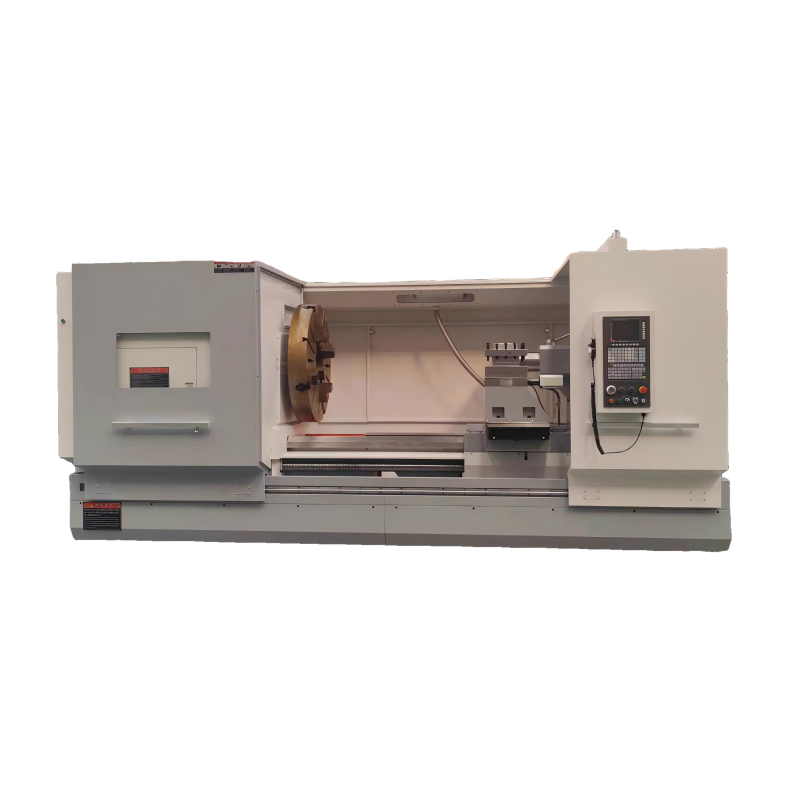
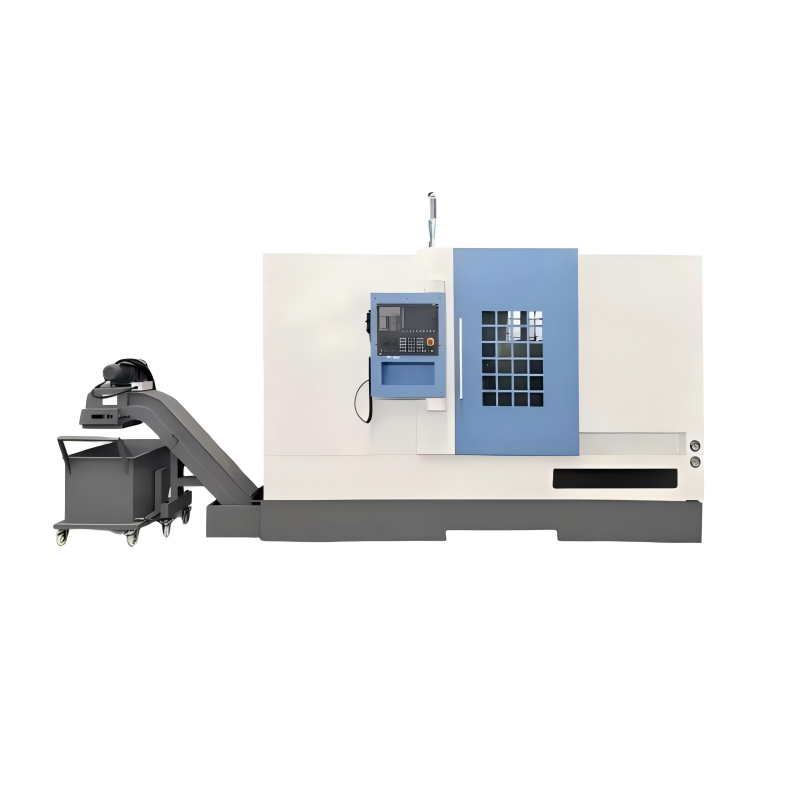
The world of manufacturing is constantly evolving, with new technologies and innovations pushing the boundaries of what's possible. One such innovation that has been redefining the capabilities of CNC (Computer Numerical Control) lathes is the advancements in the Z-axis. The X-Z axis CNC Lathe, in particular, has seen significant improvements, allowing for more precise and efficient machining processes. This article will explore how these Z-axis innovations are transforming the landscape of CNC lathes.
Enhanced Precision and Accuracy
One of the most significant benefits of Z-axis innovations in X-Z Axis CNC Lathes is the enhanced precision and accuracy they offer. Traditional CNC lathes have always been known for their ability to produce high-precision parts, but recent advancements in Z-axis technology have taken this to a new level. Modern Z-axis systems now incorporate advanced linear guides and ball screws, which reduce friction and increase the smoothness of movement. This results in tighter tolerances and more consistent part production, making these lathes ideal for industries that require extremely precise components, such as aerospace and medical device manufacturing.
Moreover, the integration of real-time feedback systems and advanced sensors in the Z-axis allows for continuous monitoring and adjustment of the cutting process. This ensures that any deviations from the desired path are immediately corrected, further enhancing the overall accuracy of the machined parts.
Increased Efficiency and Productivity
Another key advantage of Z-axis innovations in X-Z axis CNC lathes is the significant increase in efficiency and productivity. Traditional CNC lathes often required multiple setups and operations to complete a single part, which could be time-consuming and labor-intensive. However, with the advancements in Z-axis technology, many of these operations can now be performed in a single setup, reducing the need for manual intervention and minimizing downtime.
For example, modern Z-axis systems can perform complex multi-axis operations, such as threading, drilling, and milling, all within the same machine. This not only speeds up the production process but also reduces the risk of errors that can occur during multiple setups. Additionally, the use of high-speed spindles and rapid traverse rates in the Z-axis allows for faster material removal and quicker cycle times, further boosting productivity.
Improved Material Handling and Flexibility
Z-axis innovations have also led to improved material handling and flexibility in X-Z axis CNC lathes. One of the challenges in traditional CNC lathes is the limited range of materials that can be effectively machined. However, with the advancements in Z-axis technology, these lathes can now handle a wider variety of materials, including exotic alloys, composites, and even some types of plastics.
Modern Z-axis systems are designed to provide greater stability and rigidity, which is essential when working with harder or more brittle materials. This stability, combined with the ability to adjust cutting parameters in real-time, allows for more consistent and reliable machining of a broader range of materials. Furthermore, the flexibility of these lathes means that they can be easily reprogrammed and adapted to different production requirements, making them a versatile solution for various manufacturing needs.
Conclusion
In conclusion, the innovations in the Z-axis of X-Z axis CNC lathes are revolutionizing the capabilities of these machines. Enhanced precision and accuracy, increased efficiency and productivity, and improved material handling and flexibility are just a few of the ways in which these advancements are making a significant impact. As technology continues to advance, it is likely that we will see even more exciting developments in the field of CNC lathes, further driving the evolution of manufacturing processes.
 26/06/2026



