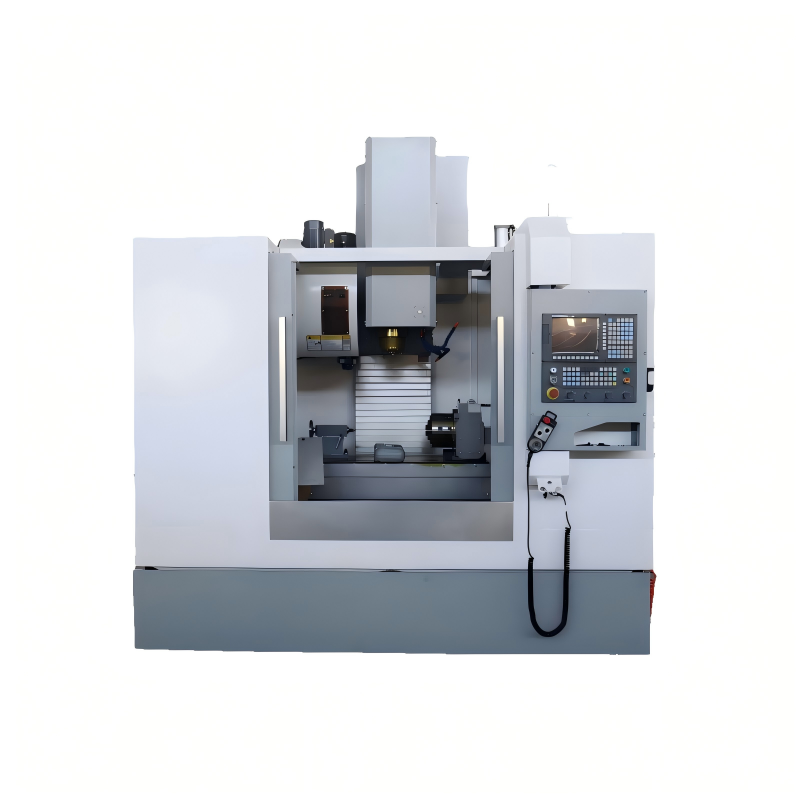
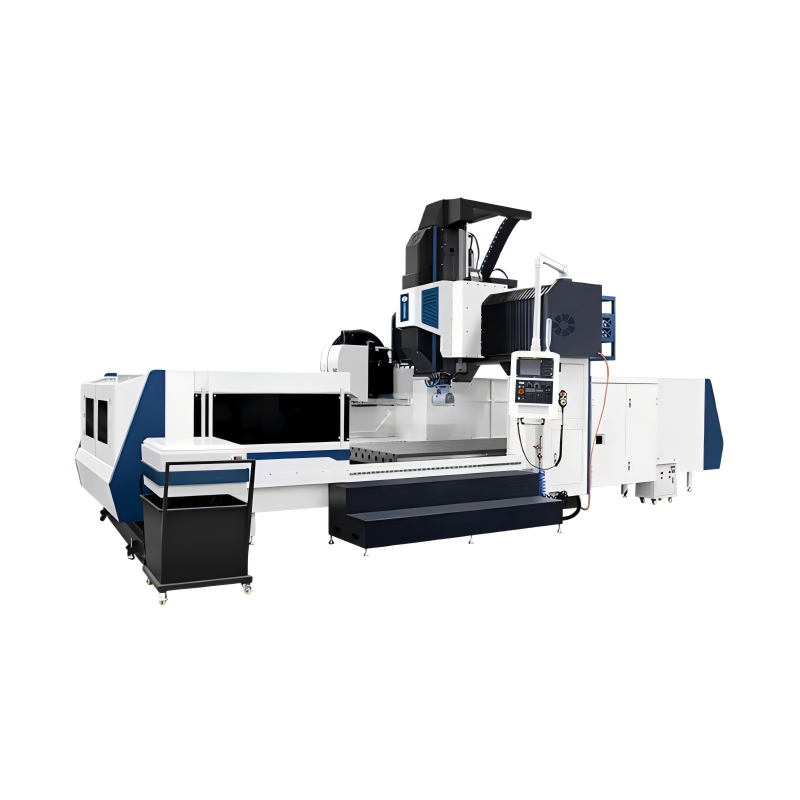
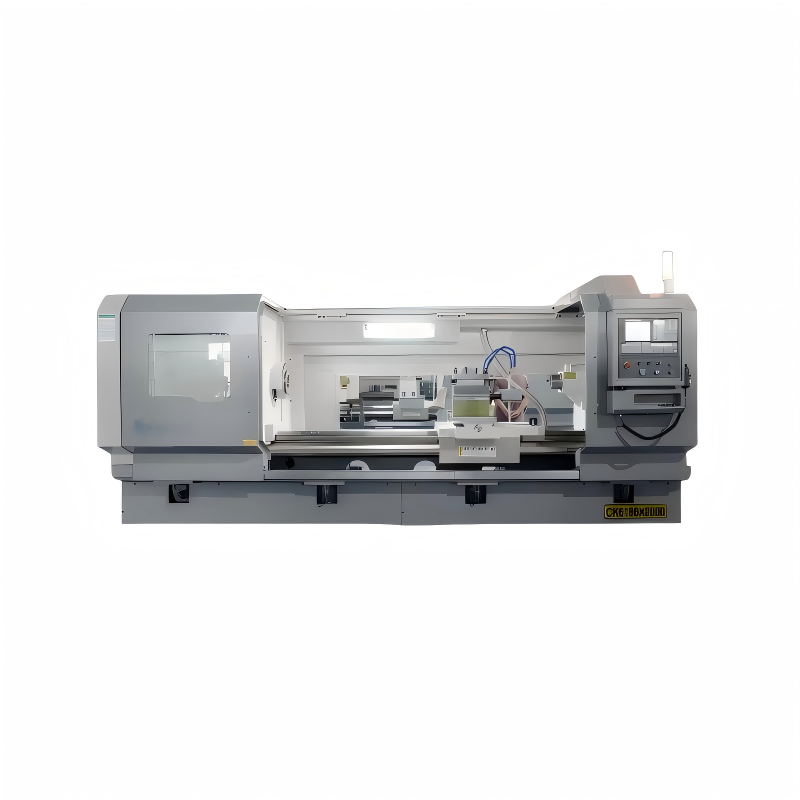
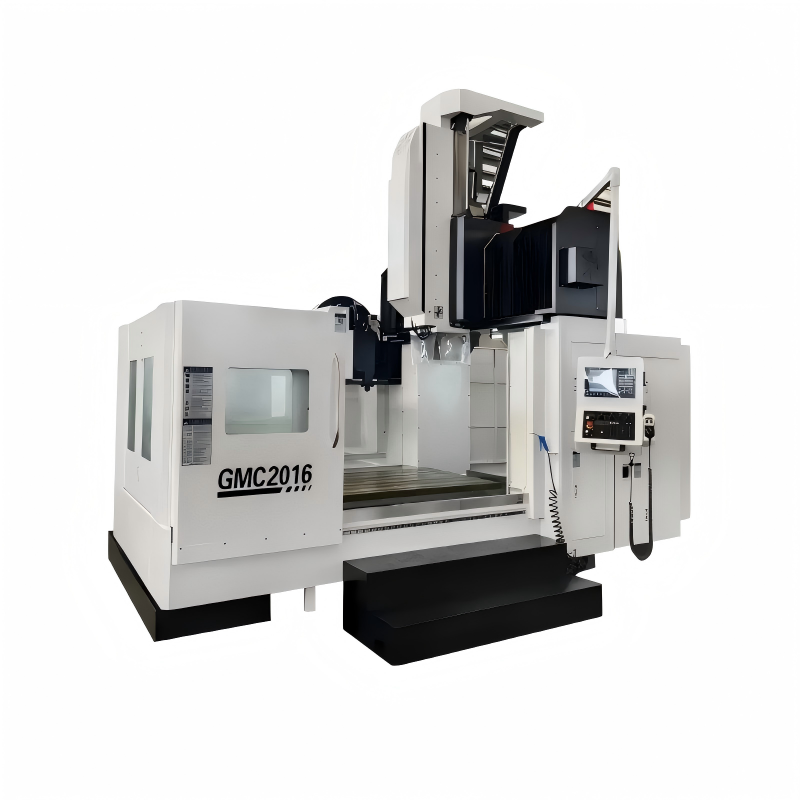
In the realm of precision manufacturing, an X-Z Axis CNC Lathe is a fundamental tool that allows for the creation of complex and accurate parts. This type of machine is particularly useful in industries where high precision and repeatability are critical, such as aerospace, automotive, and medical device manufacturing. When selecting a high-quality X-Z Axis CNC Lathe, there are several key features to look for, which can significantly impact the machine's performance, reliability, and overall value. In this technical report, we will explore some of the most important characteristics to consider when evaluating an X-Z Axis CNC Lathe.
One of the primary reasons for investing in an X-Z Axis CNC Lathe is to achieve high levels of accuracy and precision. The machine should be capable of producing parts with tight tolerances, typically within ±0.001 inches or better. To ensure this, the lathe must have a robust and well-calibrated control system, along with high-quality linear guides and ball screws. Additionally, the spindle's runout and thermal stability are crucial factors that affect the final part quality. A high-quality X-Z Axis CNC Lathe will often include advanced features like thermal compensation and dynamic balancing to maintain consistent performance over long periods of operation.
The rigidity and stability of the X-Z Axis CNC Lathe are essential for maintaining accuracy and reducing vibration during cutting operations. A rigid machine structure, made from materials such as cast iron or steel, helps to minimize deflection and ensures that the tool remains in the correct position relative to the workpiece. Furthermore, the design of the bed, ways, and columns should be optimized to distribute forces evenly and prevent any unwanted movement. Some high-end lathes also incorporate damping systems to further reduce vibrations, leading to smoother and more precise cuts.
A user-friendly and powerful control system is another critical feature of a high-quality X-Z Axis CNC Lathe. The control system should be intuitive and easy to program, allowing operators to quickly set up and execute jobs. Modern CNC lathes often come with advanced software that supports various programming languages, such as G-code and conversational programming. Additionally, a good control system should provide real-time monitoring and diagnostic capabilities, enabling operators to track the machine's performance and identify potential issues before they become serious. Touchscreen interfaces and graphical displays can also enhance the user experience by providing clear and detailed information about the machining process.
The tooling and spindle capabilities of the X-Z Axis CNC Lathe are vital for achieving the desired level of productivity and versatility. A high-quality lathe should offer a wide range of tooling options, including live tooling, which allows for milling and drilling operations in addition to turning. The spindle should be capable of high speeds and torque, ensuring efficient material removal and smooth surface finishes. Additionally, the tool change mechanism should be fast and reliable, minimizing downtime between operations. Advanced lathes may also include features like automatic tool changers and tool presetters, which can significantly improve efficiency and reduce setup times.
Automation and integration capabilities are becoming increasingly important in modern manufacturing environments. A high-quality X-Z Axis CNC Lathe should support various automation options, such as robotic loading and unloading, bar feeders, and chip conveyors. These features can help to increase throughput and reduce labor costs. Additionally, the ability to integrate the lathe with other machines and systems, such as CAD/CAM software and production management tools, is crucial for streamlining the manufacturing process. Some advanced lathes even offer Industry 4.0 capabilities, such as remote monitoring and predictive maintenance, which can further enhance the machine's performance and reliability.
In conclusion, when selecting a high-quality X-Z Axis CNC Lathe, it is essential to consider several key features, including accuracy and precision, machine rigidity and stability, control system and user interface, tooling and spindle capabilities, and automation and integration. By carefully evaluating these aspects, manufacturers can ensure that they invest in a machine that meets their specific needs and provides the best possible return on investment.
 26/06/2026
The evolution of manufacturing technology has been nothing short of revolutionary, with X-Z Axis CNC Lathes playing a pivotal role in shaping the future of precision engineering. As we look ahead, it becomes increasingly important to understand not only h
Read More25/06/2026In the realm of modern manufacturing, the precision and efficiency of machinery play a pivotal role in determining the quality and productivity of the output. One such critical piece of equipment is the X-Z Axis CNC Lathe, which has become an indispensabl
Read More25/06/2026Understanding the Importance of Precision in X-Z Axis CNC Lathe SelectionIn today’s manufacturing landscape, the precision and accuracy of parts produced are critical factors that can make or break a business. An X-Z Axis CNC Lathe is a versatile machine
Read More25/06/2026Introduction to X-Z Axis CNC Lathe InnovationsThe evolution of manufacturing technologies, especially in the domain of Computer Numerical Control (CNC) lathes, has significantly transformed production processes. The X-Z axis CNC lathe, a pivotal piece of
Read More24/06/2026The evolution of manufacturing technology has seen a significant shift towards precision and efficiency, with CNC (Computer Numerical Control) lathes playing an increasingly pivotal role. Among the various components that contribute to the effectiveness o
Read More24/06/2026The X-Z Axis CNC Lathe is a vital piece of equipment in many manufacturing and machining environments, offering precision and versatility that traditional lathes cannot match. However, like all machinery, it requires regular maintenance to ensure optimal
Read More24/06/2026In the world of precision manufacturing, advancements in technology have continually pushed the boundaries of what is possible. One such innovation that stands out is the X-Z Axis CNC Lathe, a machine that has been making waves in the industry due to its
Read More23/06/2026The advent of Computer Numerical Control (CNC) lathes has revolutionized the manufacturing industry, allowing for unprecedented precision and efficiency in part production. Among the various components that contribute to the performance of a CNC lathe, th
Read More23/06/2026The development and application of X-Z Axis CNC Lathes have significantly influenced modern manufacturing processes, particularly in terms of efficiency, precision, and versatility. This report aims to explore the impact of X-Z Axis CNC Lathes on industri
Read More23/06/2026The field of manufacturing is continually evolving, with new technologies and techniques being developed to enhance efficiency, precision, and productivity. Among these, the X-Z Axis CNC Lathe stands out as a critical piece of machinery, capable of produc
Read More22/06/2026In the realm of precision manufacturing, the X-Z Axis CNC Lathe stands out as a versatile tool for creating intricate and accurate parts. This technical report delves into the critical role of the Z axis in CNC lathe operations, providing an in-depth unde
Read More22/06/2026In the ever-evolving landscape of modern manufacturing, the integration of advanced technologies has become a cornerstone for achieving unparalleled precision and efficiency. One such technological marvel is the X-Z Axis CNC Lathe, which stands out as a p
Read MoreOur professional sales team is always ready to assist you.