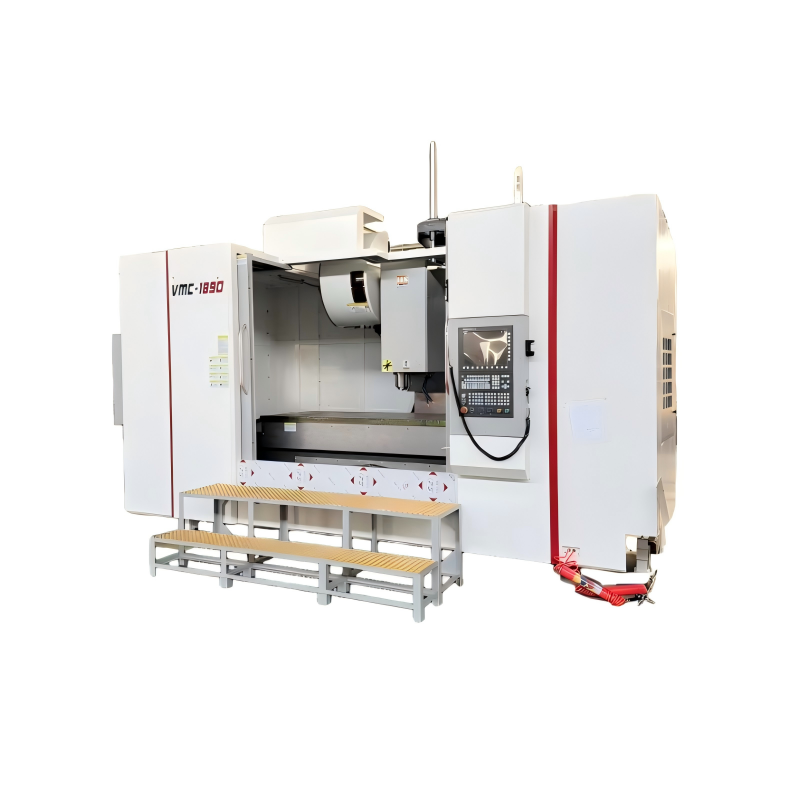
A Vertical Milling Machine is an essential tool in many manufacturing and fabrication processes, known for its versatility and precision. This report aims to provide a comprehensive guide on how to maximize the precision of a vertical milling machine, covering critical aspects from setup to maintenance. By adhering to these guidelines, operators can achieve higher accuracy, consistency, and efficiency in their machining tasks.
Before delving into the specifics of enhancing precision, it is crucial to have a thorough understanding of the components and functionality of a vertical milling machine. The primary parts include the spindle, table, column, knee, and base. The spindle holds and rotates the cutting tool, while the table provides a surface for the workpiece. The column supports the spindle and head, and the knee allows for vertical movement. The base stabilizes the entire structure.
Each component plays a vital role in the overall performance of the machine. For instance, the spindle's rigidity and speed directly affect the quality of the cut. Understanding these components and their interactions is the first step towards achieving optimal precision.
One of the most critical factors in maximizing precision with a vertical milling machine is proper setup and alignment. Ensuring that the machine is level and all components are correctly aligned can significantly reduce errors and inconsistencies in the machining process.
To begin, the machine should be placed on a stable and level surface. Use a spirit level to check and adjust the base as needed. Next, align the table and the spindle. This can be done using precision tools such as dial indicators and laser alignment devices. Ensure that the table is parallel to the spindle axis, and the spindle is perpendicular to the table. Any misalignment can lead to uneven cuts and poor surface finish.
Additionally, the workpiece should be securely clamped to the table. Use high-quality clamps and ensure that the workpiece is properly aligned and supported. This prevents movement during the machining process, which can cause inaccuracies.
The selection of appropriate cutting tools and parameters is another key aspect of achieving high precision with a vertical milling machine. The right tool and settings can make a significant difference in the quality of the finished product.
Choose cutting tools that are suitable for the material being machined. For example, high-speed steel (HSS) tools are generally used for softer materials, while carbide tools are better for harder materials. The tool's geometry, such as the number of flutes and the helix angle, also affects the cut. More flutes can provide a smoother finish but may require slower feed rates.
In addition to the tool, the cutting parameters, including speed, feed rate, and depth of cut, must be carefully selected. These parameters depend on the material, tool, and desired surface finish. Consult the manufacturer's recommendations and perform test cuts to find the optimal settings. Monitoring the tool wear and adjusting the parameters as needed will help maintain consistent precision throughout the machining process.
Regular maintenance and calibration are essential for keeping a vertical milling machine in top condition and ensuring long-term precision. Neglecting these tasks can lead to decreased performance and increased downtime.
Perform routine maintenance, such as cleaning the machine, lubricating moving parts, and inspecting for any signs of wear or damage. Pay special attention to the spindle, as its condition is critical for maintaining precision. Regularly check and replace worn-out components, such as bearings and seals.
Calibration is equally important. Periodically check the alignment of the machine and recalibrate as necessary. Use precision instruments to verify the accuracy of the spindle, table, and other components. Calibration should be performed after any major repairs or adjustments and at regular intervals to ensure the machine remains within specified tolerances.
Advancements in technology have introduced new techniques and tools that can further enhance the precision of a vertical milling machine. Implementing these technologies can provide a competitive edge and improve the overall quality of the machining process.
One such technology is Computer Numerical Control (CNC). CNC machines use computer software to control the movements of the machine, allowing for highly precise and repeatable operations. Programming the machine with the exact coordinates and parameters ensures that each part is machined to the same specifications, reducing human error and increasing consistency.
Another technique is the use of advanced measuring and inspection tools, such as coordinate measuring machines (CMMs) and optical comparators. These tools can measure the dimensions and tolerances of the machined parts with high accuracy, allowing for real-time adjustments and quality control. Incorporating these tools into the machining process can help identify and correct any deviations, ensuring that the final products meet the required specifications.
In conclusion, maximizing precision with a vertical milling machine involves a combination of understanding the machine's components, proper setup and alignment, selecting the right cutting tools and parameters, regular maintenance and calibration, and leveraging advanced technologies. By following these guidelines, operators can achieve higher levels of accuracy and consistency, leading to improved product quality and operational efficiency.
 29/06/2026
Introduction to Vertical Milling Machines The vertical milling machine (VMM) is a fundamental tool in modern workshops, offering a versatile and efficient solution for a wide range of machining tasks. This type of machine is designed to cut, shape, and fi
Read More29/06/2026Introduction to 3 Axis Vertical Machining CentersThe advent of the 3 Axis Vertical Milling Machine has significantly transformed the landscape of modern manufacturing. These machines, known for their precision and versatility, have become indispensable in
Read More28/06/2026Vertical milling machines are indispensable tools in the manufacturing and machining industries, known for their precision and versatility. However, like any other piece of machinery, they require regular maintenance to ensure optimal performance and long
Read More26/06/2026A vertical milling machine is an essential tool in the manufacturing industry, used for shaping and cutting various materials. Its versatility and precision make it a popular choice among professionals. This report delves into advanced techniques that can
Read More25/06/2026Overview of Vertical Milling MachineThe Vertical Milling Machine is a fundamental piece of equipment in the manufacturing and machining industry, used for performing various cutting operations on different materials. This type of machine is characterized
Read MoreOur professional sales team is always ready to assist you.