Introduction to Modern Machining Techniques
In the ever-evolving world of manufacturing, precision and efficiency are paramount. The integration of advanced technologies in machining processes has significantly enhanced the capabilities of Turning and Milling Machines. One such innovation is the CNC lathe with flat bed, which offers a robust solution for high-precision and high-efficiency production. This report will explore how these machines contribute to the advancement of manufacturing processes.
The Role of CNC Lathes in Precision Machining
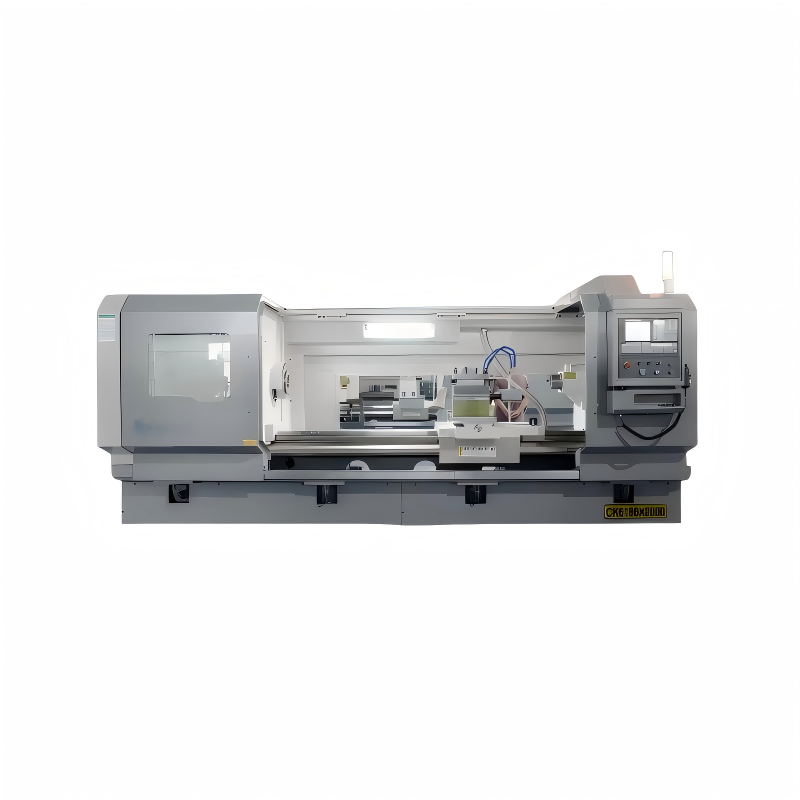
CNC (Computer Numerical Control) lathes have revolutionized the way parts are machined. These machines use computerized controls to automate the machining process, ensuring consistent and accurate results. A CNC lathe with flat bed is particularly advantageous due to its design, which allows for better stability and rigidity during operation. This stability is crucial for maintaining tight tolerances and achieving high levels of precision.
One of the key features of a CNC lathe with flat bed is its ability to handle a wide range of materials, from soft metals like aluminum to harder materials like stainless steel. The machine's versatility makes it an essential tool in various industries, including automotive, aerospace, and medical device manufacturing. By using a CNC lathe with flat bed, manufacturers can produce complex and intricate parts with ease, reducing the need for manual intervention and minimizing human error.
Enhancing Efficiency with Milling Machines
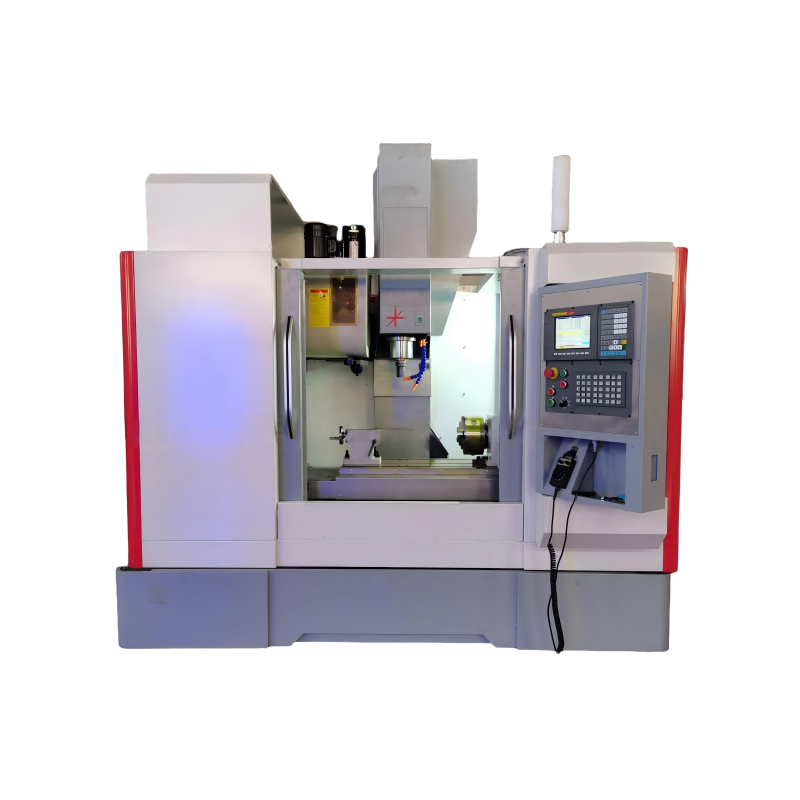
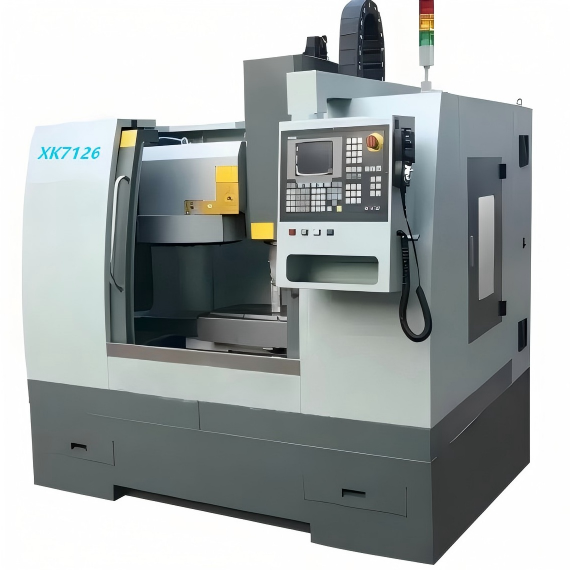
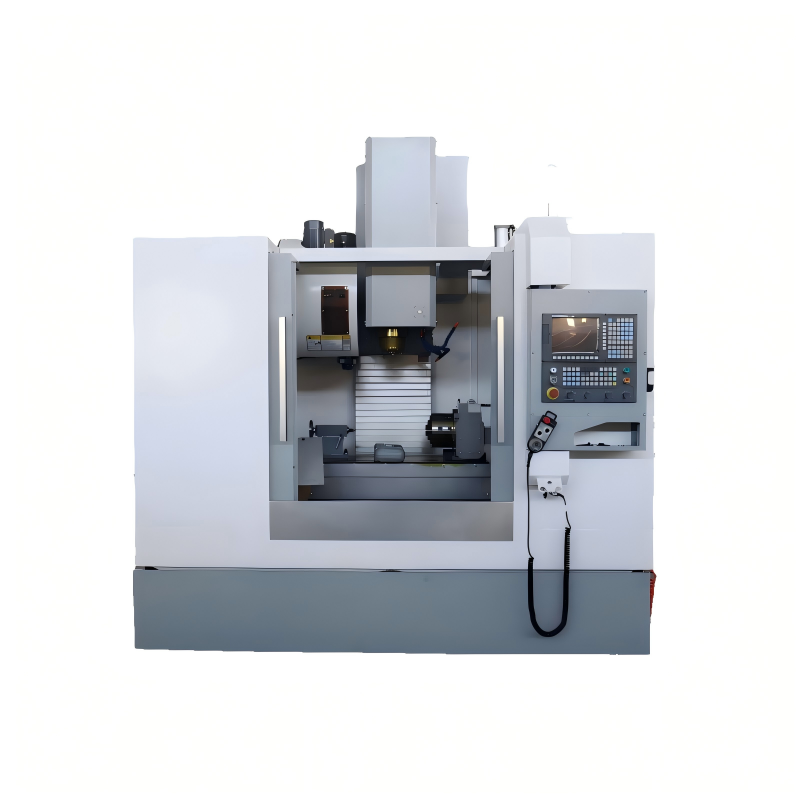
Milling machines complement the capabilities of CNC lathes by offering a different set of machining operations. While lathes are primarily used for turning operations, milling machines excel in cutting, drilling, and shaping operations. The combination of both machines in a single setup can significantly enhance the overall efficiency of the manufacturing process.
Modern milling machines are also equipped with CNC technology, allowing for precise control over the cutting process. This precision is critical for achieving high-quality surface finishes and tight dimensional tolerances. Additionally, the use of multi-axis milling machines enables the machining of complex geometries, further expanding the range of possible applications. By integrating a CNC lathe with flat bed and a milling machine, manufacturers can streamline their production processes, reduce lead times, and improve overall productivity.
Integration of Turning and Milling Operations
The integration of turning and milling operations in a single machine setup is a game-changer for the manufacturing industry. This approach, known as multitasking or turn-mill machining, combines the capabilities of both lathes and mills into one versatile machine. A CNC lathe with flat bed, when equipped with milling capabilities, can perform a wide range of operations, from simple turning to complex milling tasks.
The benefits of this integration are numerous. First, it reduces the need for multiple setups, which can be time-consuming and introduce errors. Second, it allows for the production of more complex parts in a single operation, improving part quality and consistency. Finally, it enhances overall efficiency by reducing the number of machines required and the associated setup and tool change times. This integrated approach is particularly beneficial for high-volume production and just-in-time manufacturing, where speed and accuracy are critical.
Conclusion: The Future of Manufacturing
The advancements in CNC lathes with flat beds and milling machines have significantly transformed the manufacturing landscape. These machines not only enhance precision and efficiency but also offer greater flexibility and versatility in production. As technology continues to evolve, the integration of these machines will play a crucial role in driving the future of manufacturing. By embracing these innovations, manufacturers can stay competitive, meet the demands of the market, and deliver high-quality products with greater efficiency.
 22/06/2026



