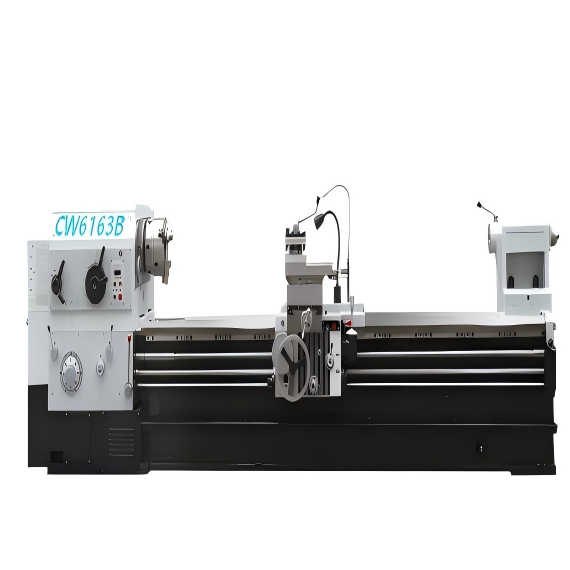
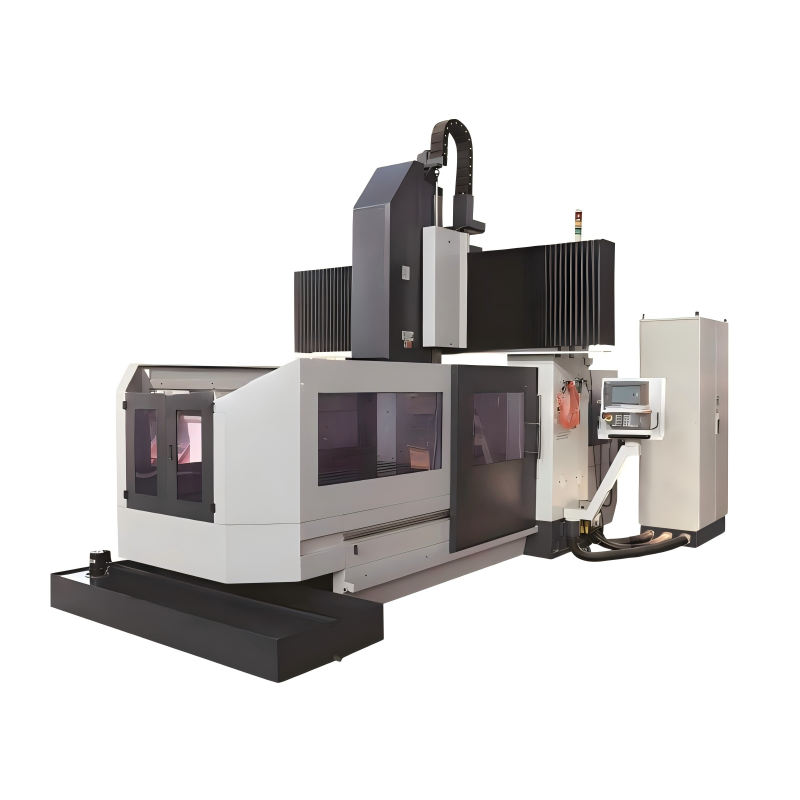
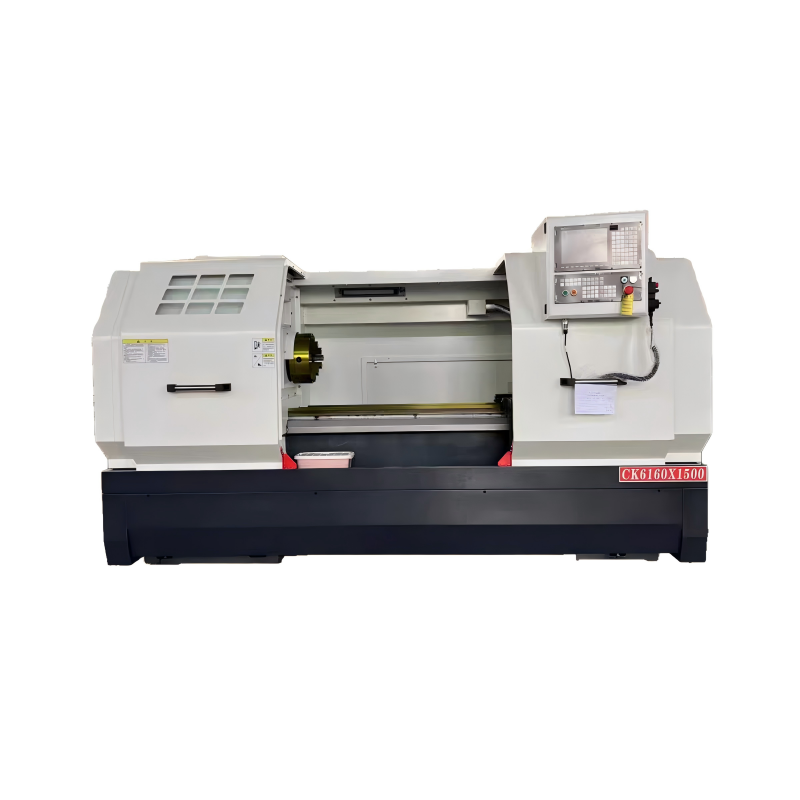
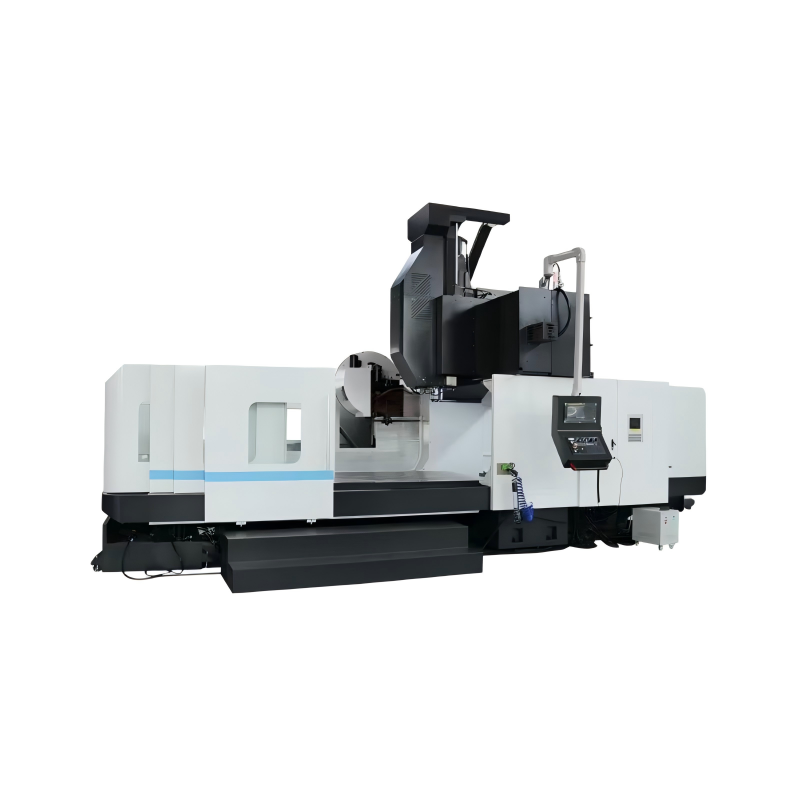
The evolution of manufacturing technology has been marked by significant advancements, particularly in the realm of computer numerical control (CNC) machinery. Among these, the 2 axis CNC Lathe stands out as a fundamental tool for precision machining. This report explores recent innovations in 2 Axis CNC Lathe design aimed at boosting productivity and efficiency in modern manufacturing environments.
One of the most notable advancements in 2 axis CNC lathe design is the integration of enhanced automation features. These new systems are equipped with advanced sensors and control algorithms that allow for real-time monitoring and adjustment of cutting parameters. The ability to automatically adjust spindle speeds, feed rates, and coolant flow based on the material being machined not only improves the quality of the finished product but also significantly reduces cycle times. By minimizing human intervention, these automated processes contribute to a more consistent output and a safer working environment. Moreover, the incorporation of robotic arms for part loading and unloading further streamlines operations, allowing for continuous production runs without the need for frequent stops.
In addition to automation, the development of advanced material handling systems represents another key area of innovation. Modern 2 axis CNC lathes now feature integrated bar feeders and automatic part catchers, which work together to ensure a seamless workflow. Bar feeders can load raw materials into the machine with high precision, reducing setup times and minimizing waste. Automatic part catchers, on the other hand, efficiently collect finished parts, sorting them and preparing them for the next stage of production. This not only speeds up the overall process but also reduces the risk of damage to the machined parts. The synergy between these components results in a highly efficient and reliable manufacturing system, capable of handling large volumes of work with minimal downtime.
Another critical aspect of 2 axis CNC lathe innovation lies in the improvement of user interfaces and software integration. Modern CNC lathes come with intuitive touch-screen displays and user-friendly software that simplifies the programming and operation of the machine. These interfaces often include graphical representations of the machining process, making it easier for operators to visualize and understand the steps involved. Additionally, the software can be seamlessly integrated with computer-aided design (CAD) and computer-aided manufacturing (CAM) systems, allowing for direct import of design files and automatic generation of machining programs. This integration not only saves time but also ensures greater accuracy and consistency in the final product. Furthermore, remote monitoring and diagnostics capabilities enable operators to troubleshoot issues and perform maintenance from a distance, reducing the need for on-site support and minimizing disruptions to the production schedule.
The innovations in 2 axis CNC lathe design discussed in this report—enhanced automation, advanced material handling systems, and improved user interfaces—collectively represent a significant leap forward in the field of precision machining. These advancements not only increase productivity and efficiency but also pave the way for more sustainable and cost-effective manufacturing practices. As technology continues to evolve, it is likely that we will see even more sophisticated and versatile 2 axis CNC lathes, further driving the growth and competitiveness of the manufacturing industry.
 24/06/2026
Understanding the Basics of 2 Axis CNC LatheA 2 Axis CNC (Computer Numerical Control) lathe is a machine tool designed to precisely cut metal, plastic, and other materials. It operates along two axes: X (horizontal movement) and Z (vertical movement). Thi
Read More24/06/2026Introduction to 2 Axis CNC Lathe Technology The 2 axis CNC lathe represents a significant advancement in machining technology, offering unparalleled precision and efficiency for both prototyping and small batch manufacturing. This type of machine is desig
Read More23/06/2026The advent of Computer Numerical Control (CNC) technology has revolutionized the manufacturing industry, significantly enhancing the precision, efficiency, and consistency of machining processes. Among the various CNC machines, the 2 Axis CNC Lathe stands
Read More23/06/2026In the realm of precision machining, a 2 Axis CNC Lathe stands out as an essential tool for producing high-quality parts with exceptional accuracy. This type of lathe is widely used in various industries, from automotive to aerospace, due to its ability t
Read More23/06/2026When it comes to enhancing the precision and efficiency of your workshop, a 2 Axis CNC Lathe is an indispensable tool. This comprehensive guide will help you navigate through the complexities of selecting the right 2 Axis CNC Lathe for your specific needs
Read More22/06/2026In the realm of manufacturing, the advent of 2 Axis CNC Lathes has marked a significant turning point, especially for small-scale production. These machines, which stand out due to their precision and efficiency, are transforming how businesses approach t
Read More22/06/2026The advent of 2 Axis CNC Lathe technology has revolutionized the manufacturing industry, offering unparalleled precision and efficiency in the production of cylindrical parts. This report delves into the fundamentals of 2 Axis CNC Lathes, their advantages
Read More22/06/2026The advent of 2 Axis CNC Lathe technology has revolutionized the manufacturing industry, offering unparalleled precision and efficiency. This report delves into the intricacies of 2 Axis CNC Lathes, exploring their capabilities, applications, and the adva
Read MoreOur professional sales team is always ready to assist you.