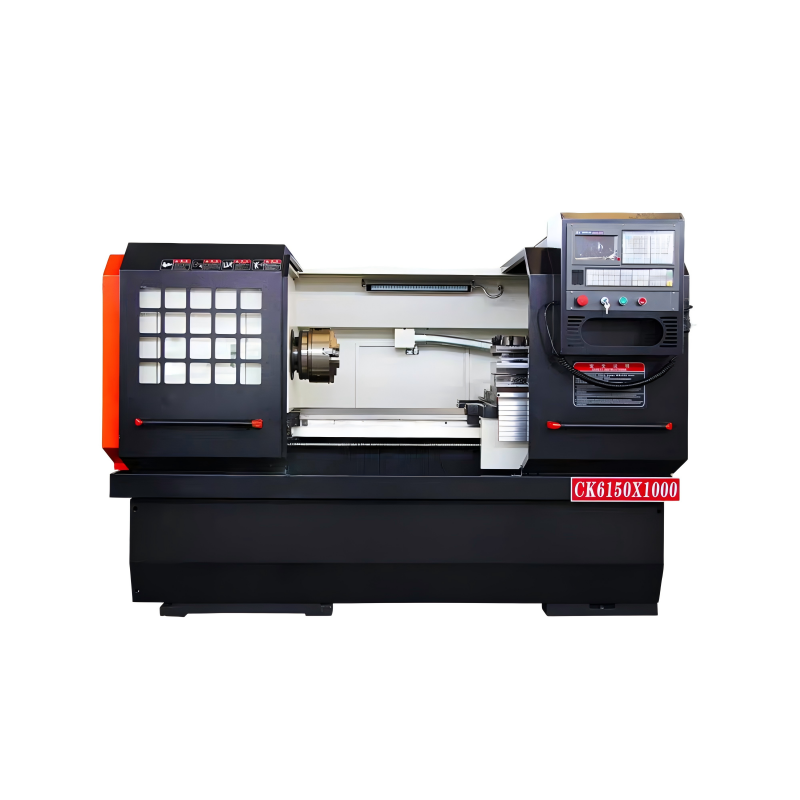
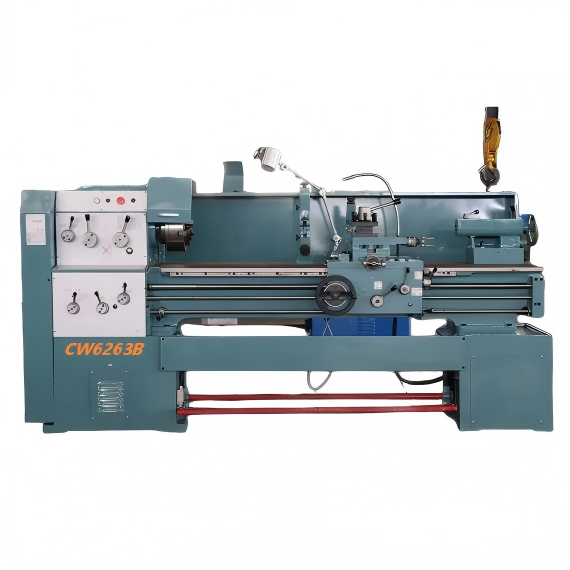
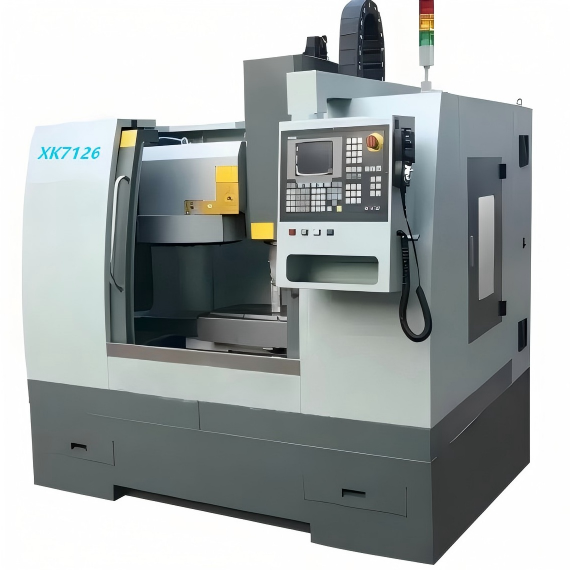
A 2 Axis CNC (Computer Numerical Control) lathe is a machine tool designed to precisely cut metal, plastic, and other materials. It operates along two axes: X (horizontal movement) and Z (vertical movement). This fundamental design allows for the production of cylindrical or conical parts with high precision. To ensure optimal performance and longevity, it's crucial to understand the operational principles and components of your 2 Axis CNC Lathe. Familiarizing yourself with the machine’s manual and its specific features can significantly aid in maintaining its efficiency over time.
Maintaining a clean and well-lubricated 2 Axis CNC Lathe is essential for preventing wear and tear. Regular cleaning involves removing chips, dust, and debris that accumulate during the machining process. These residues, if left unchecked, can cause corrosion and damage to the machine’s moving parts. Use compressed air or a soft brush to clear out these particles, especially from areas around the guideways, ways, and spindle. Additionally, lubricating the machine according to the manufacturer's recommendations ensures smooth operation and reduces friction. Pay special attention to the spindle bearings, which are critical for maintaining the lathe’s accuracy. Proper lubrication not only extends the life of the 2 Axis CNC lathe but also enhances its overall performance.
Regular calibration and alignment checks are vital for ensuring the accuracy and reliability of your 2 Axis CNC lathe. Misalignment can lead to poor part quality, increased tool wear, and even machine failure. It is recommended to perform these checks at least once a month, or more frequently depending on the machine’s usage. Calibration involves verifying the machine’s settings and making adjustments as necessary to maintain precision. Tools such as dial indicators and laser alignment systems can be used to check the alignment of the spindle, ways, and other critical components. By keeping the 2 Axis CNC lathe properly calibrated, you can ensure consistent and accurate results, thereby prolonging its service life.
Effective tool management is another key aspect of maintaining a 2 Axis CNC lathe. Tools play a significant role in the machining process, and their condition directly affects the quality of the finished product. Regularly inspecting and replacing worn or damaged tools is essential to prevent issues such as tool breakage, surface finish problems, and dimensional inaccuracies. Implement a tool management system to track the usage and condition of each tool. This can include logging the number of cuts, hours of use, and any signs of wear. Additionally, using high-quality, durable tools can reduce the frequency of replacements and improve the overall efficiency of the 2 Axis CNC lathe. Proper tool management not only enhances the machine’s performance but also contributes to its longevity.
The software that controls the 2 Axis CNC lathe is just as important as the mechanical components. Regular software updates and maintenance are necessary to keep the machine running smoothly and to take advantage of new features and improvements. Manufacturers often release updates to address bugs, enhance functionality, and improve security. Ensure that your 2 Axis CNC lathe’s control software is up to date by checking for updates regularly and following the manufacturer’s instructions for installation. Additionally, back up your control programs and settings to prevent data loss in case of a system failure. By keeping the software current and well-maintained, you can optimize the machine’s performance and extend its operational life.
Implementing a preventive maintenance schedule is one of the most effective ways to prolong the life of your 2 Axis CNC lathe. A well-structured maintenance plan includes regular inspections, cleaning, lubrication, and replacement of parts. Create a detailed schedule that outlines the tasks to be performed, the frequency of each task, and the responsible personnel. For example, daily tasks might include cleaning and checking for loose bolts, while monthly tasks could involve lubrication and calibration. Adhering to a preventive maintenance schedule helps identify and address potential issues before they become major problems, reducing downtime and repair costs. By being proactive, you can ensure that your 2 Axis CNC lathe remains in top condition and continues to deliver reliable and precise results.
Proper training and education for operators are critical for the efficient and safe operation of a 2 Axis CNC lathe. Well-trained operators are better equipped to handle the machine, perform routine maintenance, and troubleshoot issues. Training should cover the basic operation of the lathe, safety procedures, and best practices for maintenance. Additionally, ongoing education and refresher courses can help operators stay up-to-date with the latest techniques and technologies. Encouraging a culture of continuous learning and improvement within your team can significantly enhance the performance and longevity of the 2 Axis CNC lathe. By investing in operator training, you can ensure that the machine is operated correctly and maintained properly, leading to better results and a longer service life.
 24/06/2026
Introduction to 2 Axis CNC Lathe InnovationsThe evolution of manufacturing technology has been marked by significant advancements, particularly in the realm of computer numerical control (CNC) machinery. Among these, the 2 axis CNC lathe stands out as a f
Read More24/06/2026Introduction to 2 Axis CNC Lathe Technology The 2 axis CNC lathe represents a significant advancement in machining technology, offering unparalleled precision and efficiency for both prototyping and small batch manufacturing. This type of machine is desig
Read More23/06/2026The advent of Computer Numerical Control (CNC) technology has revolutionized the manufacturing industry, significantly enhancing the precision, efficiency, and consistency of machining processes. Among the various CNC machines, the 2 Axis CNC Lathe stands
Read More23/06/2026In the realm of precision machining, a 2 Axis CNC Lathe stands out as an essential tool for producing high-quality parts with exceptional accuracy. This type of lathe is widely used in various industries, from automotive to aerospace, due to its ability t
Read More23/06/2026When it comes to enhancing the precision and efficiency of your workshop, a 2 Axis CNC Lathe is an indispensable tool. This comprehensive guide will help you navigate through the complexities of selecting the right 2 Axis CNC Lathe for your specific needs
Read More22/06/2026In the realm of manufacturing, the advent of 2 Axis CNC Lathes has marked a significant turning point, especially for small-scale production. These machines, which stand out due to their precision and efficiency, are transforming how businesses approach t
Read More22/06/2026The advent of 2 Axis CNC Lathe technology has revolutionized the manufacturing industry, offering unparalleled precision and efficiency in the production of cylindrical parts. This report delves into the fundamentals of 2 Axis CNC Lathes, their advantages
Read More22/06/2026The advent of 2 Axis CNC Lathe technology has revolutionized the manufacturing industry, offering unparalleled precision and efficiency. This report delves into the intricacies of 2 Axis CNC Lathes, exploring their capabilities, applications, and the adva
Read MoreOur professional sales team is always ready to assist you.