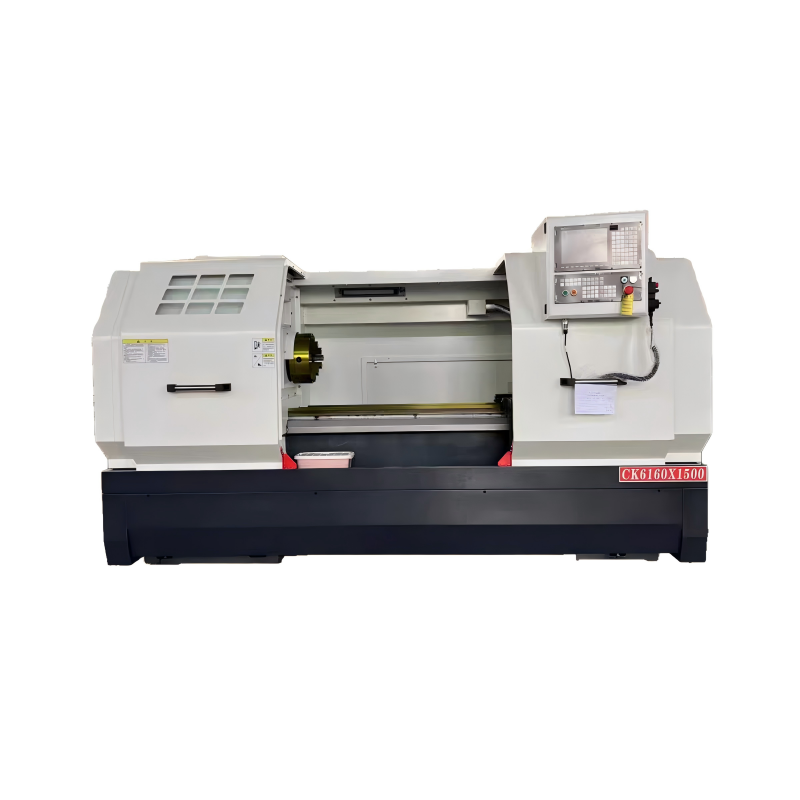
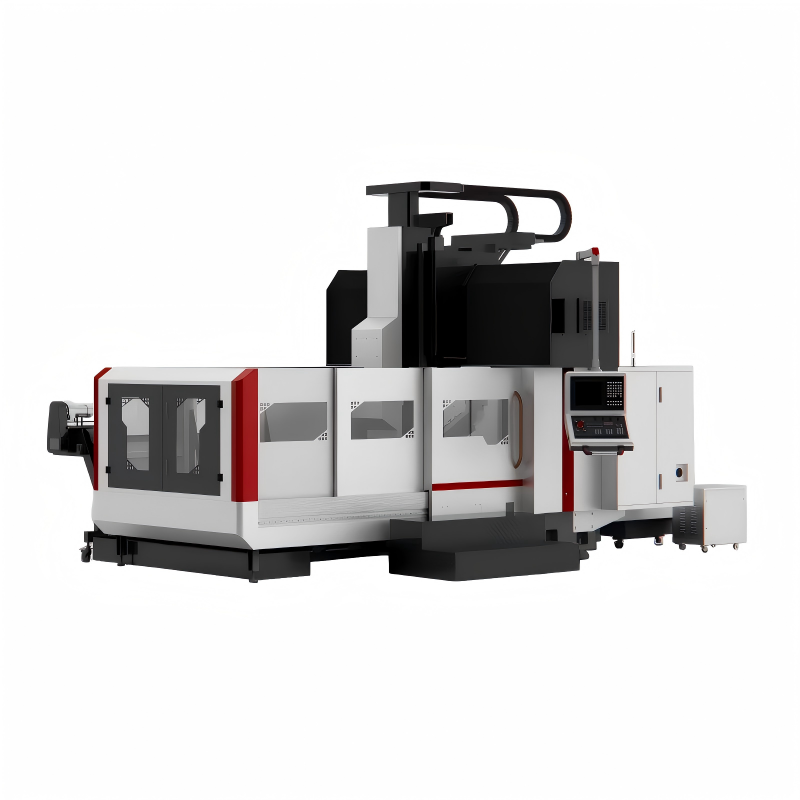
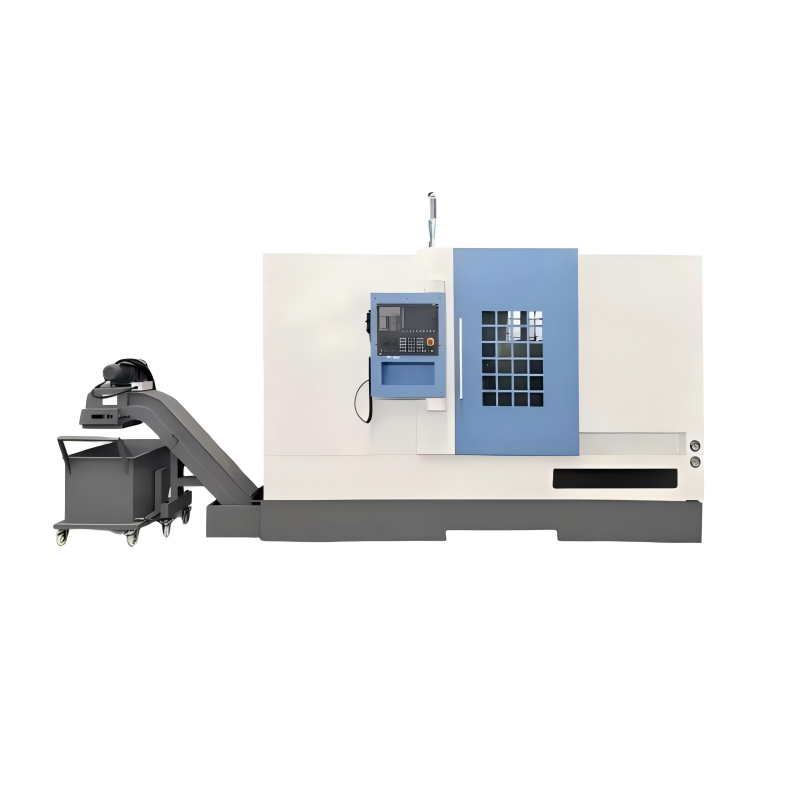
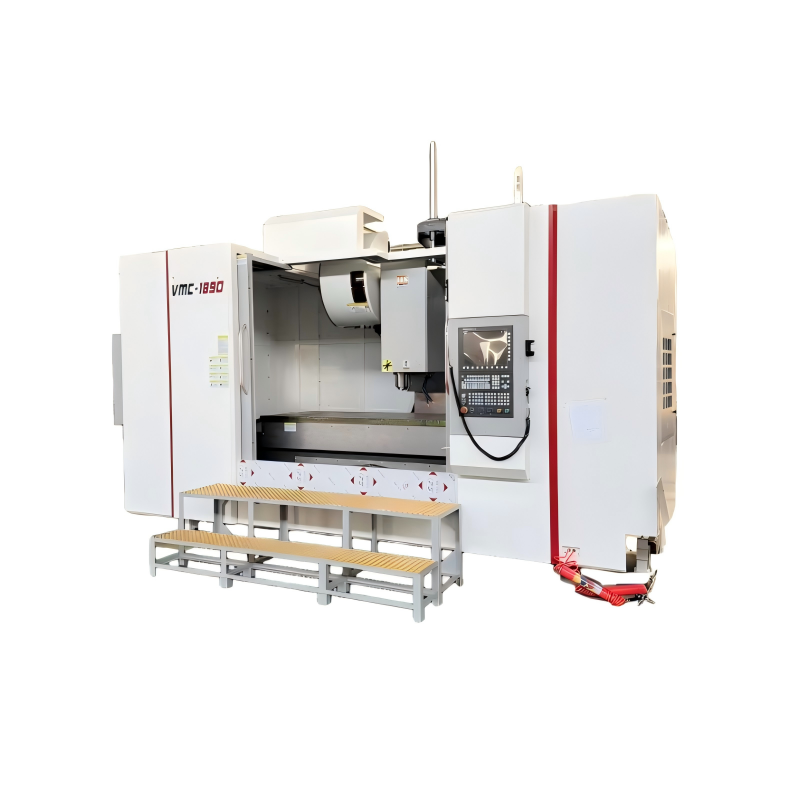
The evolution of machining technology has witnessed significant advancements, particularly in the design and capabilities of lathes used for long shaft applications. This report delves into recent innovations that have transformed how manufacturers approach the production of long shafts, enhancing both efficiency and precision.
One of the primary challenges faced in the machining of long shafts is maintaining structural stability during the process. Innovations in lathe design have addressed this issue through the incorporation of robust support systems and advanced bed designs. Modern lathes now feature reinforced bases and integrated tailstocks that provide additional support along the entire length of the workpiece. This not only reduces vibrations but also ensures consistent cutting accuracy, which is crucial for achieving high-precision results. Additionally, the use of materials with superior damping properties in the construction of the lathe's frame further minimizes unwanted movements, contributing to a more stable machining environment.
The integration of advanced control systems represents another significant leap forward in lathe design for long shaft applications. These systems, often powered by sophisticated software, enable real-time monitoring and adjustment of various parameters, such as spindle speed, feed rate, and tool position. By continuously analyzing data from sensors placed throughout the machine, these control systems can automatically optimize the machining process, leading to improved surface finish and dimensional accuracy. Furthermore, the ability to program complex operations and store them for future use streamlines the manufacturing workflow, reducing setup times and minimizing human error.
Modular design is an emerging trend in the development of lathes for long shaft applications. This approach allows manufacturers to easily customize and upgrade their machines according to specific project requirements. By using interchangeable components, such as different types of tool holders or additional support units, the lathe can be adapted to handle a wide range of workpieces and machining tasks. This flexibility not only enhances the versatility of the machine but also extends its useful life, as it can be updated with new technologies and features over time. Moreover, the modular design facilitates easier maintenance and repair, as individual parts can be replaced without the need for a complete overhaul of the system.
Effective chip management and coolant delivery are critical for maintaining optimal cutting conditions, especially when working with long shafts. Recent innovations in lathe design have focused on improving these aspects to ensure a cleaner and more efficient machining process. Enhanced chip evacuation systems, such as high-pressure coolant nozzles and chip conveyors, help to quickly remove chips from the cutting area, preventing them from interfering with the operation. Additionally, advanced coolant delivery mechanisms, including through-spindle coolant and adjustable spray nozzles, provide targeted cooling and lubrication, which is essential for reducing heat buildup and extending tool life. These improvements not only enhance the overall performance of the lathe but also contribute to a safer and more productive work environment.
Automation is playing an increasingly important role in the modernization of lathes for long shaft applications. The implementation of automated loading and unloading systems, as well as robotic arms, enables continuous operation with minimal human intervention. This not only boosts productivity by reducing downtime between cycles but also improves safety by minimizing the need for operators to interact with moving parts. Furthermore, the use of automation in conjunction with advanced control systems allows for the execution of highly precise and repeatable operations, ensuring consistent quality across large production runs. As a result, manufacturers can achieve higher throughput while maintaining the highest standards of precision and reliability.
In conclusion, the innovations in lathe design for long shaft applications have significantly enhanced the capabilities of these machines, addressing key challenges and improving overall performance. From enhanced structural stability and advanced control systems to modular design, improved chip management, and increased automation, these advancements have paved the way for more efficient, precise, and versatile machining solutions. As technology continues to evolve, we can expect even more groundbreaking developments that will further transform the landscape of long shaft machining.
 25/06/2026
When it comes to machining long shafts, the lathe is a fundamental tool that requires careful consideration of various factors to ensure high-quality results. One of the most critical aspects in this process is stability, which directly impacts the precis
Read More25/06/2026In the realm of manufacturing, the lathe for long shaft plays a crucial role in producing high-precision components. This technical report aims to explore best practices that can significantly enhance productivity when working with lathes and long shafts.
Read More25/06/2026Working with a lathe for long shafts requires not only precision but also a deep understanding of the machinery involved. This guide aims to provide you with comprehensive insights into maintaining your lathe, ensuring it remains in optimal condition for
Read More24/06/2026In the realm of mechanical engineering, working with long shafts requires a high degree of precision and skill. The lathe for long shaft is an essential tool in this process, allowing for the creation of components that meet stringent specifications. This
Read More24/06/2026In the field of precision engineering, the turning of long shafts on a lathe presents unique challenges that demand specialized techniques and tools. This technical report explores advanced methodologies for effectively handling such tasks, focusing on im
Read More24/06/2026The Importance of Precision in Initial SetupWhen it comes to machining long shafts, the initial setup is a critical phase that sets the stage for the entire process. A lathe for long shaft requires meticulous attention to detail to ensure that the final p
Read More24/06/2026When it comes to the manufacturing of long shafts, a lathe for long shaft plays an indispensable role. This machine is specifically designed to handle the unique challenges that come with turning and shaping long cylindrical components. In this technical
Read More23/06/2026The lathe for long shaft operations is a specialized piece of machinery designed to handle the unique challenges associated with machining extended lengths. This report delves into the critical aspects of operating such lathes, focusing on setup considera
Read More23/06/2026Working with a lathe, especially when dealing with long shafts, presents unique challenges and requires a specialized set of skills. This report aims to provide essential tips for effectively using a lathe for long shaft machining. The following sections
Read More23/06/2026A lathe for long shaft is a specialized machine designed to work with elongated pieces of material, such as metal or wood. These machines are essential in industries that require precision and accuracy when working on long, cylindrical objects. This techn
Read More23/06/2026Understanding the Specific Needs of Long Shaft ProjectsWhen it comes to machining long shafts, understanding the unique requirements and challenges is crucial. A Lathe for Long Shaft must be capable of handling not only the length but also the precision a
Read MoreOur professional sales team is always ready to assist you.