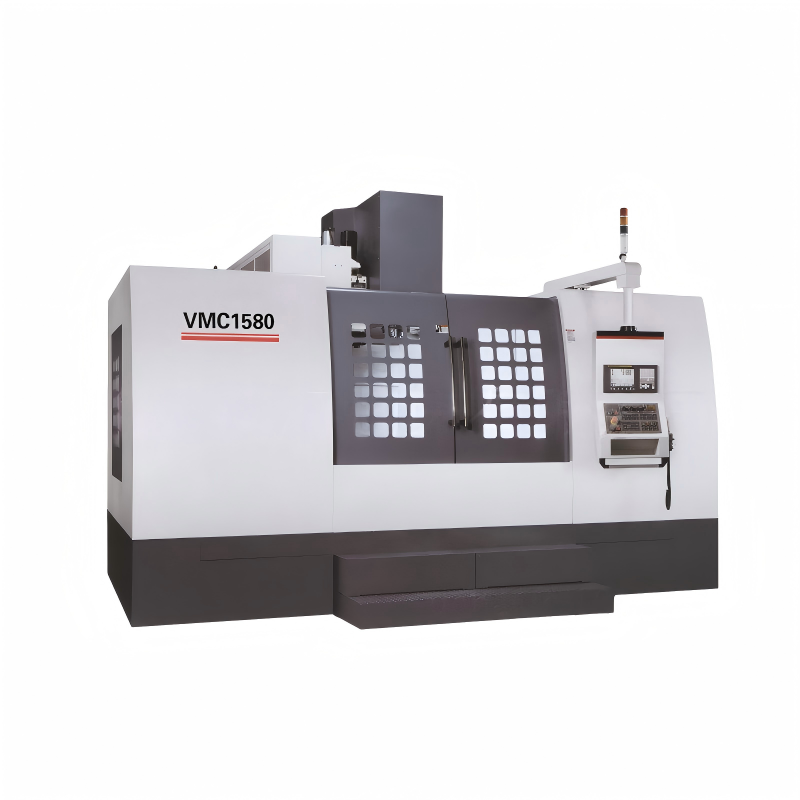
In the realm of modern manufacturing, vertical Machining Centers (VMCs) have become indispensable tools for precision and efficiency. Particularly in workshop environments, where space is often at a premium and versatility is key, innovations in small VMCs are transforming how these spaces operate. This report explores recent advancements, focusing on high-speed linear motion control as a pivotal technology that enhances the performance and productivity of small VMCs.
One of the most significant advancements in small VMCs is the integration of high-speed linear motion control. This technology allows for rapid and precise movements along the X, Y, and Z axes, which is crucial for achieving high accuracy and surface finish in machining operations. The use of high-speed linear motion control systems, such as linear motors or advanced ball screws, ensures that the machine can achieve both high speeds and fine positional control, reducing cycle times and improving overall part quality.
High-speed linear motion control also minimizes the effects of vibration and thermal expansion, which are common issues in traditional VMCs. By using advanced feedback mechanisms and real-time compensation, these systems can maintain consistent performance even under varying operating conditions. This results in more reliable and repeatable machining processes, which is particularly valuable in workshop environments where consistency is paramount.
Small VMCs are designed with a compact footprint to maximize workspace utilization. In workshop settings, where floor space is limited, this feature is essential. Innovations in design have led to the development of machines that are not only smaller but also more efficient. For example, the use of integrated cooling systems and compact spindle designs allows for a more streamlined machine structure without compromising on performance.
Moreover, the integration of high-speed linear motion control in these compact designs further enhances their capabilities. The ability to move quickly and precisely within a confined space means that these machines can handle a wide range of parts and operations, from simple milling tasks to complex 3D contouring. This versatility makes them ideal for workshops that need to adapt to changing production demands.
Another critical aspect of modern small VMCs is their advanced automation and integration capabilities. These machines are equipped with sophisticated control systems that can be easily programmed and reprogrammed, allowing for quick setup and changeover between different jobs. This is particularly beneficial in workshop environments where flexibility and adaptability are key.
High-speed linear motion control plays a vital role in enabling these advanced automation features. By providing fast and accurate movement, the machine can execute complex sequences of operations with minimal human intervention. Additionally, the integration of sensors and monitoring systems allows for real-time data collection and analysis, which can be used to optimize the machining process and predict maintenance needs. This level of automation not only increases productivity but also reduces the risk of errors and downtime.
As environmental concerns continue to grow, energy efficiency and sustainability have become important considerations in the design and operation of small VMCs. High-speed linear motion control contributes to energy savings by optimizing the machine's movements and reducing unnecessary power consumption. For instance, the use of regenerative braking systems in linear motors can recover and reuse energy, further enhancing the machine's overall efficiency.
Additionally, the compact design of small VMCs, combined with high-speed linear motion control, allows for more efficient use of resources. By minimizing the machine's footprint and optimizing its performance, these VMCs can reduce the amount of energy and materials required for production. This not only benefits the environment but also helps workshops to lower their operational costs and improve their bottom line.
Innovations in small VMCs, particularly the integration of high-speed linear motion control, are revolutionizing the way workshops operate. Enhanced precision, compact design, advanced automation, and improved energy efficiency are just some of the key benefits that these advancements bring. As technology continues to evolve, it is clear that small VMCs will play an increasingly important role in the future of manufacturing, offering greater flexibility, productivity, and sustainability in workshop environments.
 26/06/2026
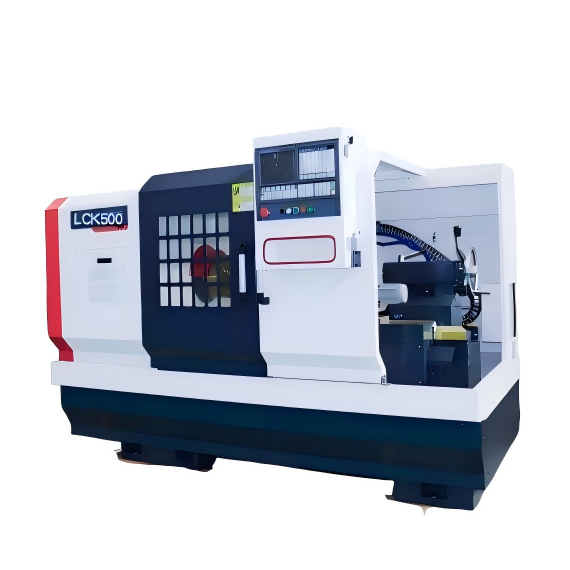
In the realm of industrial manufacturing, the efficiency and precision of machinery play a crucial role in enhancing productivity. One such machine that has revolutionized the production process is the Large Diameter Pipe Thread CNC Lathe. This advanced p
Read More18/06/2026With the continuous advancement in manufacturing technology, CNC (Computer Numerical Control) systems have become increasingly sophisticated, offering a wide range of features that not only enhance productivity but also improve the quality and precision o
Read More08/06/2026High-speed linear motion control systems are essential in various industrial applications, from manufacturing to robotics. These systems require precise and rapid movement along a straight path, making them indispensable for tasks that demand high accurac
Read More08/06/2026High-speed linear motion control is a critical field in modern engineering, playing an essential role in various applications ranging from manufacturing to robotics. This report delves into the dynamics of high-speed linear motion control, exploring its p
Read More07/06/2026High-speed linear motion control has become an essential component in modern industrial automation, enabling faster and more precise operations across various industries. This technology is not only about moving objects from one point to another but doing
Read More07/06/2026High-speed linear motion control is a critical aspect of modern automation and robotics, enabling precise and efficient movement across various applications. This report explores the key elements required to achieve smooth operation with high-speed linear
Read More06/06/2026High-speed linear motion control is a critical area of study within the field of automation and robotics, where precision, speed, and efficiency are paramount. This domain involves controlling the movement of machines or components along a straight path a
Read More06/06/2026High-speed linear motion control is a critical aspect of many industrial applications, from manufacturing to robotics. The ability to efficiently and accurately move objects in a straight line at high speeds can significantly impact the productivity and e
Read More05/06/2026In the realm of industrial automation and robotics, high-speed linear motion control has become a critical component for achieving precision, efficiency, and reliability. This technical report explores advanced techniques in high-speed linear motion contr
Read More05/06/2026Understanding the Importance of Feedback in Motion Control SystemsIn the realm of high-speed linear motion control, feedback plays a pivotal role in ensuring that systems operate efficiently and accurately. The concept of feedback involves collecting data
Read More04/06/2026In the rapidly evolving landscape of industrial automation, high-speed linear motion control stands out as a critical technology that is redefining the capabilities and efficiency of modern machinery. This technical report explores how advancements in hig
Read More04/06/2026Linear motion control at high speeds has emerged as a pivotal technology in modern industrial applications, significantly enhancing efficiency and productivity. This report delves into the transformative impact of high-speed linear motion control on vario
Read More04/06/2026High-speed linear motion control is an essential aspect of modern robotics, enabling machines to perform tasks with unprecedented speed and precision. This report explores how advancements in high-speed linear motion have revolutionized the field of robot
Read More04/06/2026In the rapidly evolving landscape of automation, high-speed linear motion control stands out as a critical component for achieving greater efficiency and precision across various industries. This report delves into the future innovations in high-speed lin
Read More04/06/2026High-speed linear motion control represents a significant advancement in the field of automation and manufacturing, offering unprecedented precision, speed, and efficiency. This report delves into how high-speed linear motion is transforming modern manufa
Read More04/06/2026IntroductionThe advancement of industrial automation has significantly propelled the demand for high-speed linear motion control systems, which are pivotal in achieving precise and efficient movement in various applications. These systems play a crucial r
Read More04/06/2026Introduction to High-speed Linear Motion ControlThe field of high-speed linear motion control has seen significant advancements over the past few decades, driven by the increasing demands for precision, speed, and efficiency in various industries. This te
Read MoreOur professional sales team is always ready to assist you.