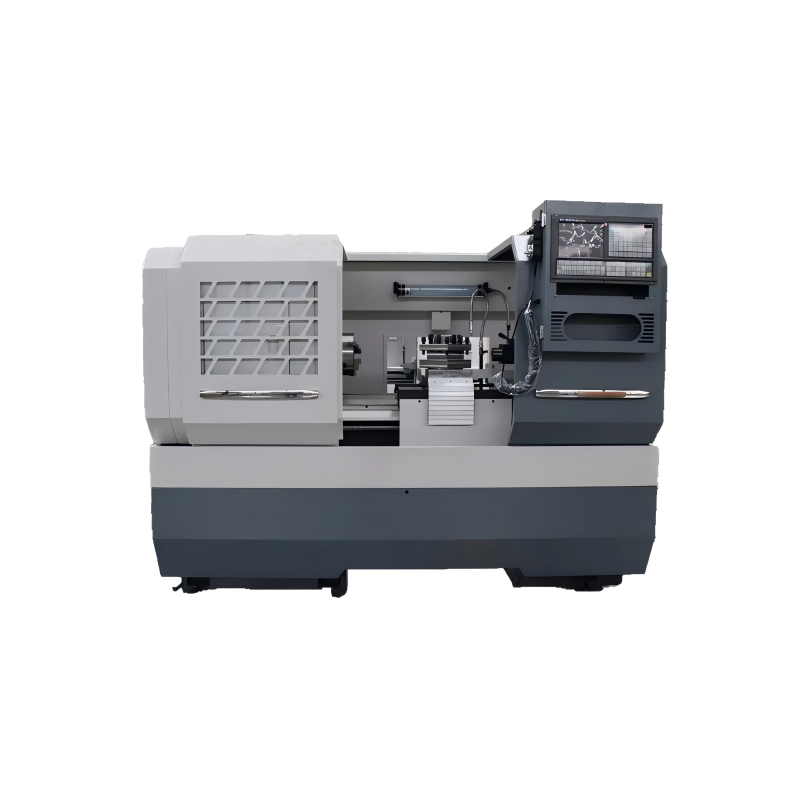
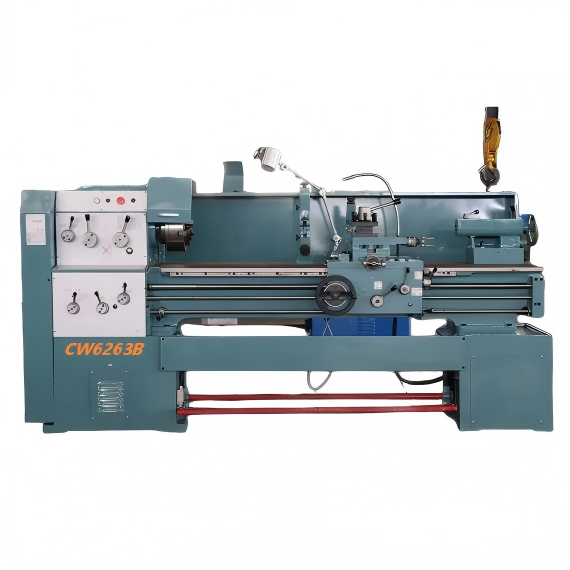
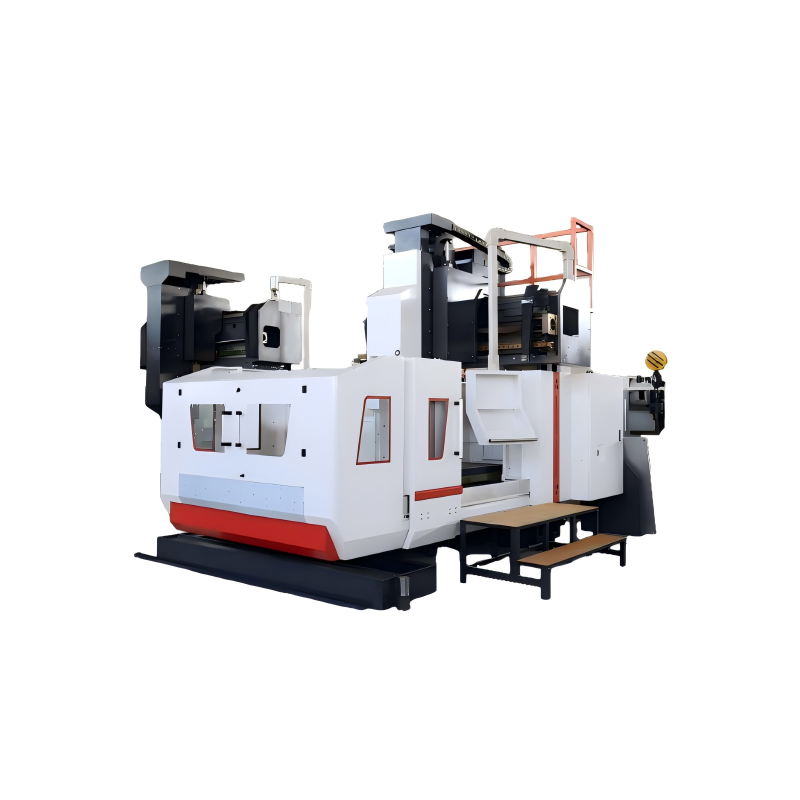
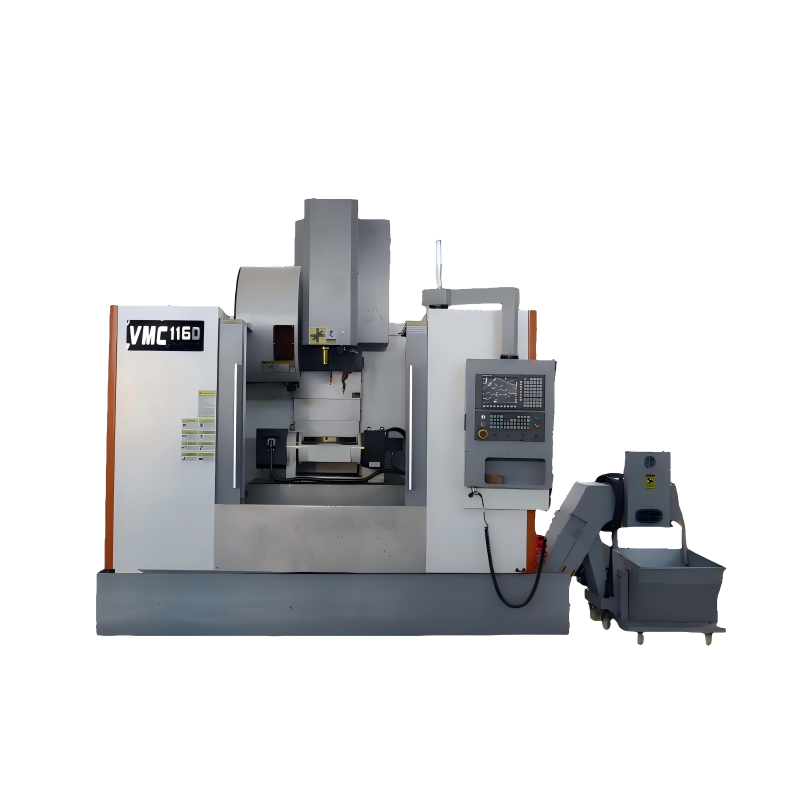
The advent of advanced manufacturing technologies has revolutionized the way industries produce goods, with CNC (Computer Numerical Control) lathes playing a pivotal role. Among these, the Economic 2-Axis CNC Lathe stands out as a cost-effective and efficient solution for a wide range of industrial applications. This technical report aims to explore the capabilities of Horizontal Lathe Machines, focusing on their versatility, precision, and adaptability in modern manufacturing environments.
One of the most significant advantages of the Economic 2-Axis CNC Lathe is its ability to deliver high precision and accuracy in machining operations. The 2-axis configuration allows for precise control over the X and Z axes, enabling the machine to perform complex cuts and shapes with minimal error. This level of precision is crucial in industries such as aerospace, automotive, and medical devices, where even the slightest deviation can lead to suboptimal or non-compliant parts.
The use of advanced software and programming tools further enhances the machine's accuracy. Modern CNC lathes are equipped with sophisticated control systems that can interpret detailed CAD (Computer-Aided Design) files, translating them into precise tool paths. This ensures that the final product meets the exact specifications required, reducing the need for post-processing and rework.
Another key capability of the Economic 2-Axis CNC Lathe is its versatility in processing a wide variety of materials. These machines are designed to handle everything from soft metals like aluminum and brass to harder materials such as stainless steel and titanium. The ability to work with different materials makes the CNC lathe an indispensable tool in diverse industrial settings.
Moreover, the machine's flexibility extends to the types of operations it can perform. In addition to turning, the lathe can be used for drilling, threading, and facing, among other tasks. This multifunctionality reduces the need for multiple machines, thereby optimizing floor space and lowering overall production costs. The ability to switch between different operations quickly and efficiently also contributes to increased productivity and reduced downtime.
The integration of the Economic 2-Axis CNC Lathe with automation and Industry 4.0 technologies is another critical aspect of its capabilities. As manufacturing processes become increasingly digitized, the ability to connect and communicate with other machines and systems is essential. Modern CNC lathes are equipped with communication protocols such as Ethernet, Modbus, and OPC UA, allowing them to be seamlessly integrated into smart factories and IoT (Internet of Things) networks.
This integration enables real-time monitoring and data collection, which can be used to optimize production processes, predict maintenance needs, and improve overall efficiency. For example, sensors and analytics can detect wear and tear on the machine, triggering predictive maintenance alerts before a breakdown occurs. This not only reduces downtime but also extends the lifespan of the machine. Additionally, the ability to remotely monitor and control the lathe enhances operational flexibility and responsiveness.
Despite its advanced features, the Economic 2-Axis CNC Lathe remains a cost-effective solution for many industrial applications. The initial investment in a CNC lathe can be higher than that of a traditional manual lathe, but the long-term benefits often outweigh the upfront costs. The machine's high precision and efficiency result in reduced scrap rates and lower material waste, leading to significant cost savings over time.
Furthermore, the reduced need for skilled labor, thanks to the automated nature of the machine, can also contribute to cost savings. Operators can be trained to manage multiple machines, increasing overall productivity without a proportional increase in labor costs. The ability to run the machine 24/7, with minimal supervision, further enhances its cost-effectiveness and return on investment.
The Economic 2-Axis CNC Lathe is a versatile and powerful tool in the modern manufacturing landscape. Its enhanced precision, versatility in material processing, integration with automation and Industry 4.0, and cost-effectiveness make it an ideal choice for a wide range of industrial applications. As technology continues to advance, the capabilities of these machines will only continue to grow, making them an essential component of any forward-thinking manufacturing operation.
 26/06/2026
In the rapidly evolving landscape of manufacturing, the economic 2-axis CNC lathe stands out as a critical component, driving efficiency and precision in various industries. This report delves into the future trends that are expected to shape the developm
Read More26/06/2026The evolution of manufacturing technologies has significantly transformed how businesses operate, with Computer Numerical Control (CNC) lathes becoming a cornerstone in precision machining. Among these, the Economic 2-Axis CNC Lathe stands out for its bal
Read More26/06/2026With the rapid advancements in manufacturing technology, companies are increasingly looking towards more efficient and cost-effective solutions for their production needs. One such solution is the Economic 2-Axis CNC Lathe, which offers a balance between
Read More25/06/2026With the rapid development of manufacturing technologies, 2-Axis CNC Lathes have become a cornerstone in the production of precision parts. These machines offer a cost-effective solution for turning operations, making them an attractive option for small t
Read More25/06/2026In the modern manufacturing landscape, the economic 2-axis CNC lathe stands out as a cost-effective yet highly efficient solution for various machining tasks. This report aims to guide operators through the learning curve associated with mastering this pi
Read More25/06/2026In the realm of precision machining, the economic 2-axis CNC lathe stands out as a versatile and cost-effective solution for many small to medium-sized manufacturing operations. This article explores key features that buyers should consider when investing
Read More24/06/2026In the world of manufacturing, precision and efficiency are paramount. As technology advances, so do the tools that manufacturers rely on to produce high-quality components. One such tool that stands out for its versatility and accuracy is the Economic 2-
Read More24/06/2026In the ever-evolving landscape of manufacturing, the quest for higher profit margins is a constant. One effective way to achieve this is through the adoption of advanced yet cost-effective machinery, such as the Economic 2-Axis CNC Lathe. This report will
Read More24/06/2026Investing in an Economic 2-Axis CNC Lathe is a significant step towards enhancing the efficiency and precision of your manufacturing processes. However, to ensure that your investment continues to deliver optimal performance over time, regular maintenance
Read More24/06/2026The landscape of manufacturing has been continuously evolving, driven by advancements in technology and the ever-growing demand for efficiency. One such area that has seen significant progress is the field of 2-Axis CNC (Computer Numerical Control) Lathes
Read More23/06/2026In the rapidly evolving landscape of modern manufacturing, the role of advanced machinery cannot be overstated. Among these, the Economic 2-Axis CNC Lathe stands out as a versatile and efficient solution for various machining needs. This report delves int
Read More23/06/2026The Economic 2-Axis CNC Lathe represents a significant advancement in the field of manufacturing, offering an affordable yet efficient solution for many machining needs. This type of lathe is particularly popular among small to medium-sized enterprises du
Read More23/06/2026Introduction to 2-Axis CNC Lathes in Modern ManufacturingIn the rapidly evolving landscape of precision engineering, the Economic 2-Axis CNC Lathe has emerged as a pivotal tool. These machines are designed to offer high-precision machining capabilities wh
Read More23/06/2026The economic 2-axis CNC lathe is an essential tool for many manufacturing processes, offering precision, efficiency, and cost-effectiveness. This guide aims to provide a comprehensive overview of the key factors to consider when selecting the right econom
Read More22/06/2026In the realm of precision manufacturing, the economic 2-axis CNC lathe stands out as a cost-effective solution for many small to medium-sized enterprises. This report aims to explore how businesses can maximize productivity with an economic 2-axis CNC lat
Read More22/06/2026In today’s competitive manufacturing landscape, small businesses often face the challenge of balancing productivity with cost. One solution that has gained significant traction is the Economic 2-Axis CNC Lathe. This machine offers a blend of efficiency an
Read More22/06/2026Introduction to the Economic 2-Axis CNC Lathe The economic 2-axis CNC lathe has become a cornerstone in modern manufacturing, offering a blend of precision and cost-effectiveness that makes it an attractive option for many industries. This type of lathe i
Read MoreOur professional sales team is always ready to assist you.