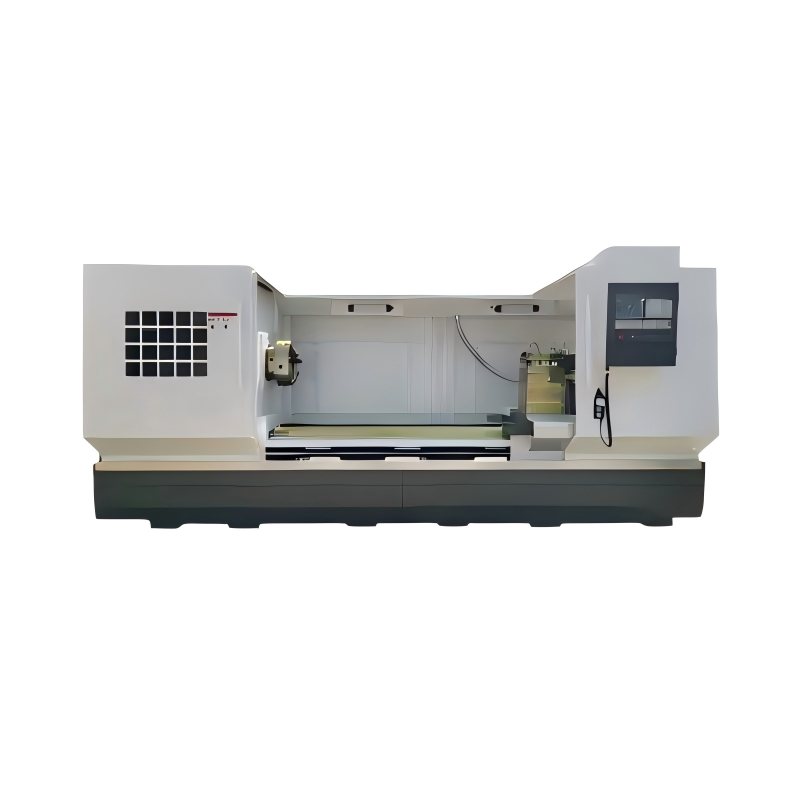
In the realm of precision machining, the economic 2-axis CNC lathe stands out as a versatile and cost-effective solution for many small to medium-sized manufacturing operations. This article explores key features that buyers should consider when investing in such machinery, aiming to provide insights into what makes a particular model stand out in terms of performance, efficiency, and durability.
Optimized Control Systems for Enhanced Precision
The heart of any CNC (Computer Numerical Control) machine is its control system, which dictates how accurately and efficiently the tool operates. For an economic 2-axis CNC Lathe, it's crucial to look for models equipped with advanced yet user-friendly control systems. These systems not only ensure high levels of accuracy but also simplify the programming process, making them accessible even to less experienced operators. Features like real-time monitoring, automatic tool compensation, and error detection capabilities are particularly valuable, as they help maintain consistent quality while reducing waste. Moreover, modern controls often come with intuitive interfaces, allowing for quicker setup times and easier troubleshooting, thus increasing overall productivity.
Robust Construction for Durability and Stability
When considering an economic 2-Axis CNC Lathe, one must pay close attention to the construction materials and design. A well-built machine will offer greater stability during operation, leading to better part finish and longer service life. Key indicators of robust construction include the use of heavy-duty cast iron for the base and other critical components, as this material provides excellent vibration damping properties, which is essential for maintaining precise cuts over extended periods. Additionally, machines designed with a rigid frame can handle higher cutting forces without compromising on accuracy. It’s also worth noting whether the manufacturer has incorporated any special measures to enhance rigidity, such as ribbed structures or additional support beams. Such enhancements contribute significantly to the longevity and reliability of the equipment, making your investment more worthwhile in the long run.
Flexibility and Adaptability Through Tooling Options
One of the major advantages of choosing an Economic 2-Axis CNC Lathe lies in its adaptability to different types of jobs. The ability to easily switch between various tools and setups allows these machines to tackle a wide range of tasks, from simple turning operations to more complex parts requiring multiple steps. When evaluating potential purchases, look for lathes that offer quick-change tool holders and live tooling options, as these can dramatically reduce changeover times and increase versatility. Furthermore, some models may come with built-in milling capabilities, enabling users to perform both turning and milling operations on a single piece of equipment. This not only saves space but also reduces the need for additional machinery, thereby lowering capital expenditure and operational costs. In summary, selecting a 2-axis CNC lathe with flexible tooling solutions ensures that you’re prepared to meet diverse manufacturing demands efficiently and economically.
Energy Efficiency and Maintenance Considerations
As sustainability becomes increasingly important across all industries, energy efficiency is becoming a significant factor in the selection of new machinery. An economic 2-axis CNC lathe that incorporates energy-saving technologies, such as servo motors and intelligent power management systems, can significantly reduce electricity consumption without sacrificing performance. Besides, lower energy usage translates to reduced operating costs, providing a financial benefit alongside environmental stewardship. Another aspect to consider is the ease of maintenance. Machines designed with accessibility in mind, featuring easily replaceable parts and clear diagnostic information, make regular upkeep simpler and less time-consuming. Regular maintenance is vital for extending the lifespan of the equipment and ensuring consistent performance. Therefore, opting for a model that prioritizes both energy efficiency and ease of maintenance can lead to substantial savings over the machine’s lifetime, enhancing the overall value proposition of your investment.
In conclusion, when looking to purchase an Economic 2-Axis CNC Lathe, focusing on optimized control systems, robust construction, flexibility through tooling options, and considerations around energy efficiency and maintenance will guide you towards a choice that delivers both immediate and long-term benefits. By carefully evaluating these aspects, manufacturers can secure a reliable, efficient, and versatile tool capable of supporting their specific production needs now and into the future.
 25/06/2026



