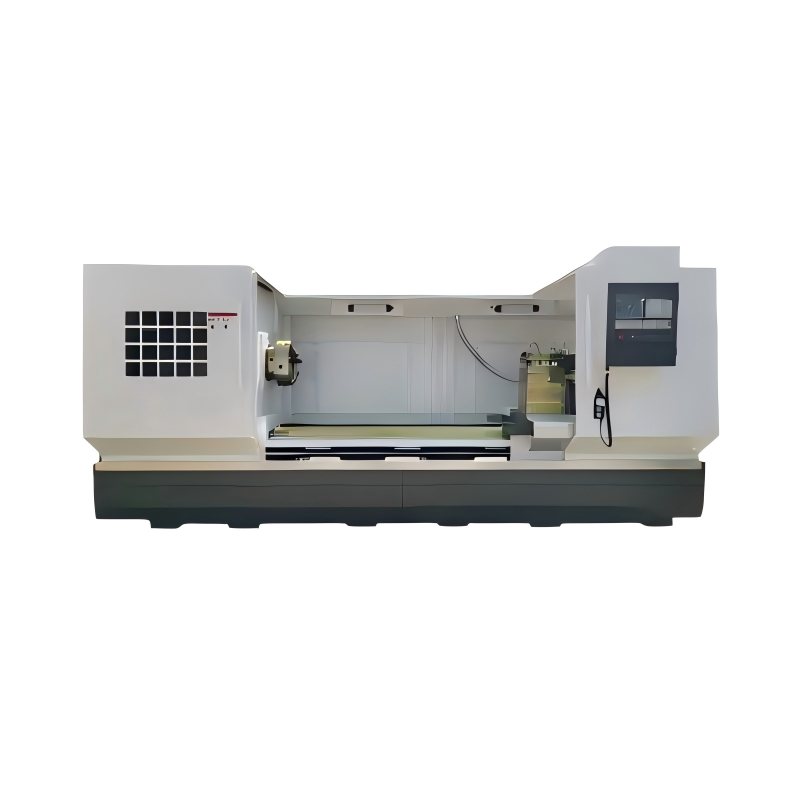
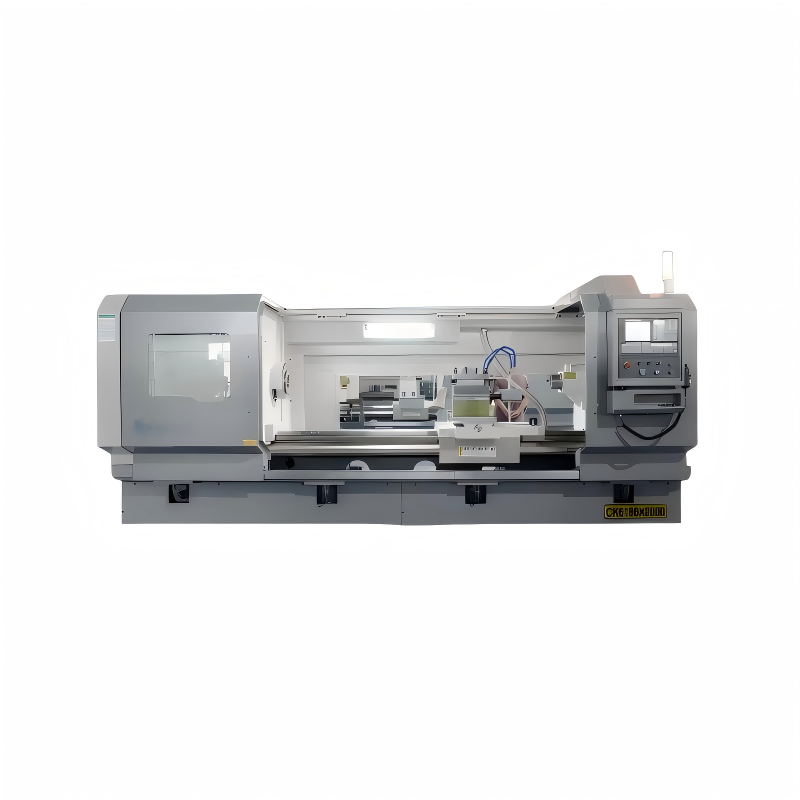
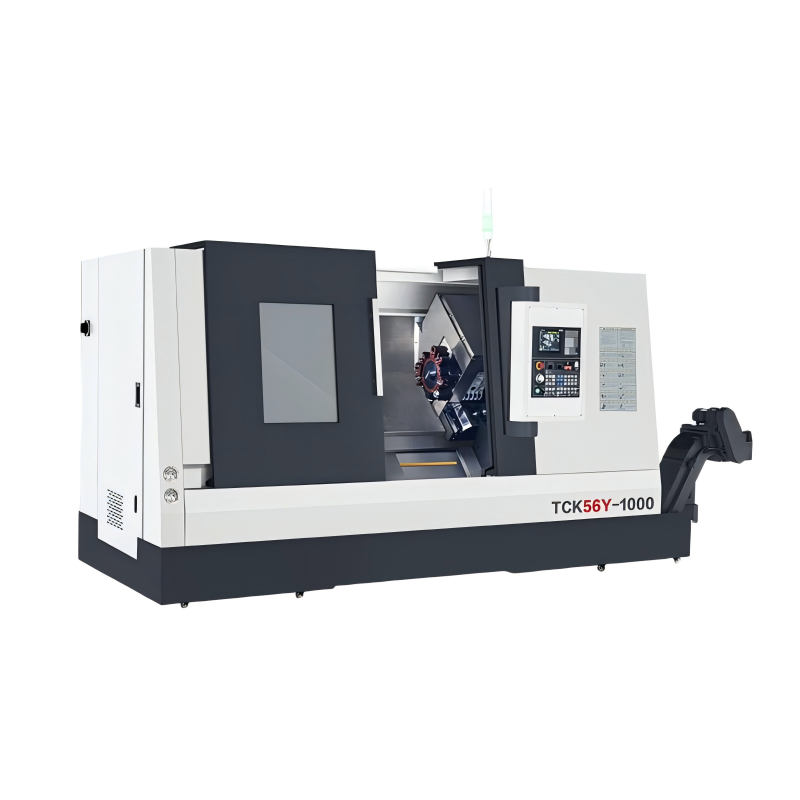
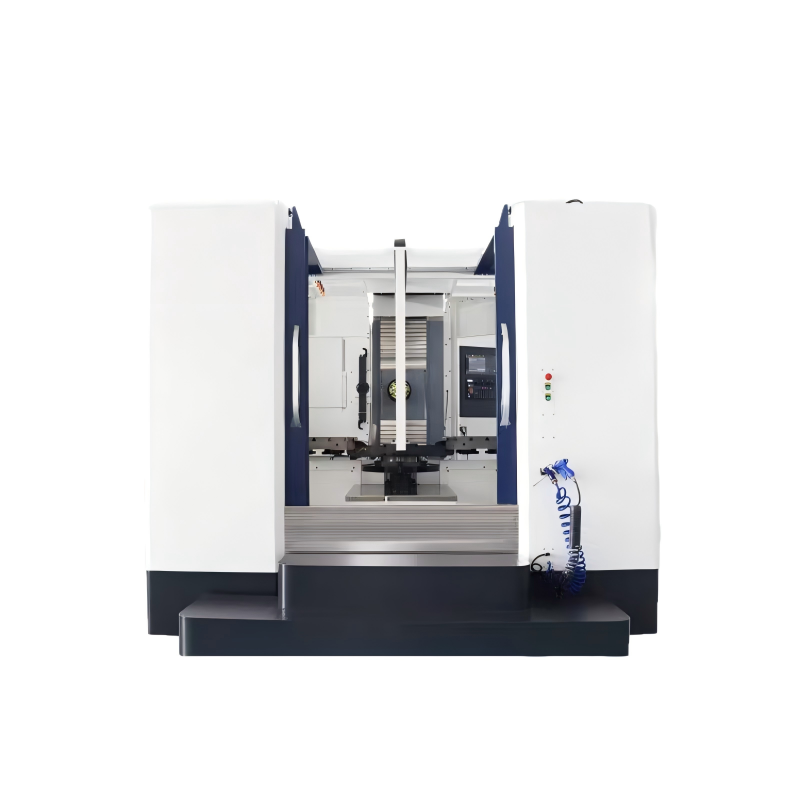
In the modern manufacturing landscape, the economic 2-axis CNC lathe stands out as a cost-effective yet highly efficient solution for various machining tasks. This report aims to guide operators through the learning curve associated with mastering this piece of machinery, providing insights into its operation, maintenance, and optimization. By understanding the intricacies of an economic 2-axis CNC Lathe, operators can maximize productivity while ensuring safety and quality in their work.
A 2-axis CNC (Computer Numerical Control) lathe is designed to perform operations along two axes: X (cross-slide motion) and Z (longitudinal motion). These machines are particularly suited for turning cylindrical parts, where precision and repeatability are crucial. The X-axis controls the radial movement, allowing for cutting operations such as facing and grooving, while the Z-axis manages the longitudinal movement, essential for turning and threading. Familiarizing oneself with these fundamental principles is the first step in navigating the learning curve of operating an Economic 2-Axis CNC Lathe.
The user interface of a 2-axis CNC lathe is the gateway to controlling the machine's functions. It typically includes a control panel with a screen, buttons, and a keyboard. Operators must become proficient in using this interface to input commands, monitor the machine's status, and make adjustments as needed. Additionally, programming skills are vital for creating and editing G-code, which instructs the lathe on how to move and operate. Learning to write and understand G-code is a critical aspect of becoming an effective operator. Training programs, online tutorials, and hands-on practice are all valuable resources for developing these skills.
Regular maintenance is key to keeping an economic 2-axis CNC lathe in optimal condition. This includes routine checks of the spindle, tool holders, and other components for wear and tear, as well as lubrication and cleaning. Operators should also be familiar with common troubleshooting techniques to address issues that may arise, such as misalignment, tool breakage, or software errors. By staying proactive in maintenance and being prepared to troubleshoot, operators can minimize downtime and extend the lifespan of the machine.
To fully leverage the capabilities of an economic 2-axis CNC lathe, operators need to focus on optimizing production efficiency. This involves several strategies, such as minimizing setup times, using the right tools and materials, and implementing lean manufacturing principles. Efficient tool management, including proper selection, storage, and replacement, can significantly reduce cycle times and improve part quality. Additionally, continuous improvement practices, such as regular performance reviews and process audits, help identify and eliminate bottlenecks, leading to more streamlined operations.
Safety and quality control are paramount in any manufacturing environment. Operators must adhere to strict safety protocols, including wearing appropriate personal protective equipment (PPE), following lockout/tagout procedures, and maintaining a clean and organized workspace. Quality control measures, such as regular inspections and adherence to tolerances, ensure that the parts produced meet the required specifications. Implementing a robust quality assurance system, complete with documentation and traceability, helps maintain high standards and customer satisfaction.
In conclusion, mastering the operation of an economic 2-axis CNC lathe requires a combination of theoretical knowledge, practical skills, and a commitment to ongoing learning and improvement. By focusing on understanding the basics, mastering the user interface and programming, maintaining and troubleshooting the machine, optimizing production efficiency, and ensuring safety and quality control, operators can navigate the learning curve effectively and achieve success in their machining endeavors.
 25/06/2026
With the rapid development of manufacturing technologies, 2-Axis CNC Lathes have become a cornerstone in the production of precision parts. These machines offer a cost-effective solution for turning operations, making them an attractive option for small t
Read More25/06/2026In the realm of precision machining, the economic 2-axis CNC lathe stands out as a versatile and cost-effective solution for many small to medium-sized manufacturing operations. This article explores key features that buyers should consider when investing
Read More24/06/2026In the world of manufacturing, precision and efficiency are paramount. As technology advances, so do the tools that manufacturers rely on to produce high-quality components. One such tool that stands out for its versatility and accuracy is the Economic 2-
Read More24/06/2026In the ever-evolving landscape of manufacturing, the quest for higher profit margins is a constant. One effective way to achieve this is through the adoption of advanced yet cost-effective machinery, such as the Economic 2-Axis CNC Lathe. This report will
Read More24/06/2026Investing in an Economic 2-Axis CNC Lathe is a significant step towards enhancing the efficiency and precision of your manufacturing processes. However, to ensure that your investment continues to deliver optimal performance over time, regular maintenance
Read More24/06/2026The landscape of manufacturing has been continuously evolving, driven by advancements in technology and the ever-growing demand for efficiency. One such area that has seen significant progress is the field of 2-Axis CNC (Computer Numerical Control) Lathes
Read More23/06/2026In the rapidly evolving landscape of modern manufacturing, the role of advanced machinery cannot be overstated. Among these, the Economic 2-Axis CNC Lathe stands out as a versatile and efficient solution for various machining needs. This report delves int
Read More23/06/2026The Economic 2-Axis CNC Lathe represents a significant advancement in the field of manufacturing, offering an affordable yet efficient solution for many machining needs. This type of lathe is particularly popular among small to medium-sized enterprises du
Read More23/06/2026Introduction to 2-Axis CNC Lathes in Modern ManufacturingIn the rapidly evolving landscape of precision engineering, the Economic 2-Axis CNC Lathe has emerged as a pivotal tool. These machines are designed to offer high-precision machining capabilities wh
Read More23/06/2026The economic 2-axis CNC lathe is an essential tool for many manufacturing processes, offering precision, efficiency, and cost-effectiveness. This guide aims to provide a comprehensive overview of the key factors to consider when selecting the right econom
Read More22/06/2026In the realm of precision manufacturing, the economic 2-axis CNC lathe stands out as a cost-effective solution for many small to medium-sized enterprises. This report aims to explore how businesses can maximize productivity with an economic 2-axis CNC lat
Read More22/06/2026In today’s competitive manufacturing landscape, small businesses often face the challenge of balancing productivity with cost. One solution that has gained significant traction is the Economic 2-Axis CNC Lathe. This machine offers a blend of efficiency an
Read More22/06/2026Introduction to the Economic 2-Axis CNC Lathe The economic 2-axis CNC lathe has become a cornerstone in modern manufacturing, offering a blend of precision and cost-effectiveness that makes it an attractive option for many industries. This type of lathe i
Read MoreOur professional sales team is always ready to assist you.