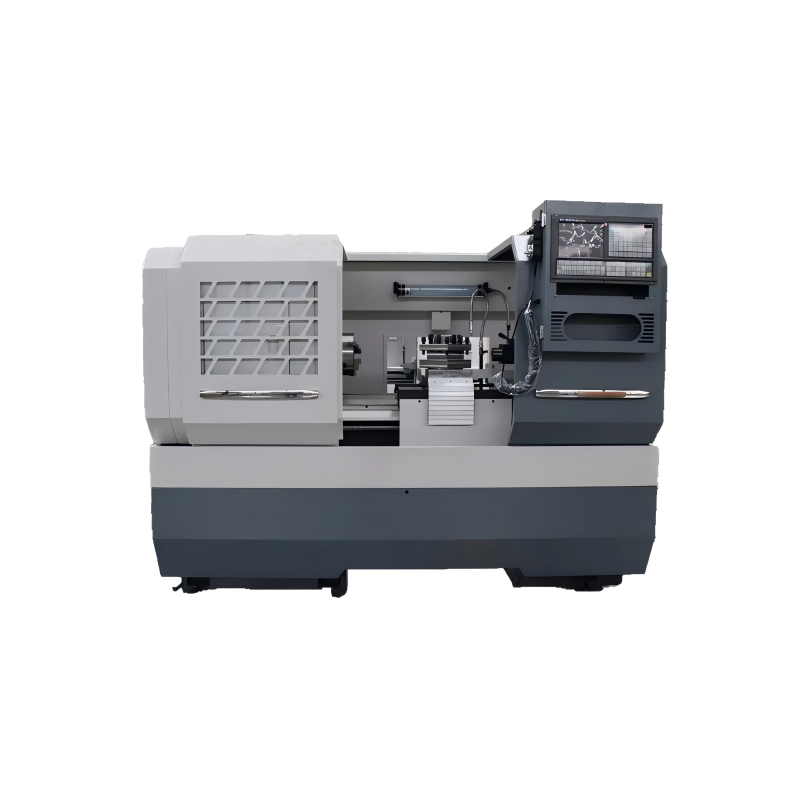
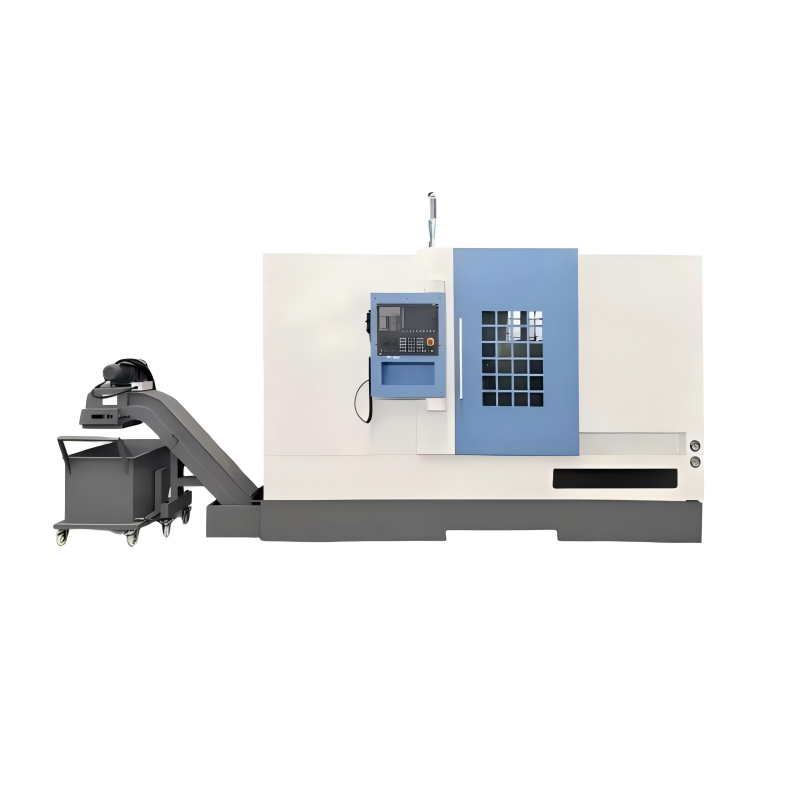
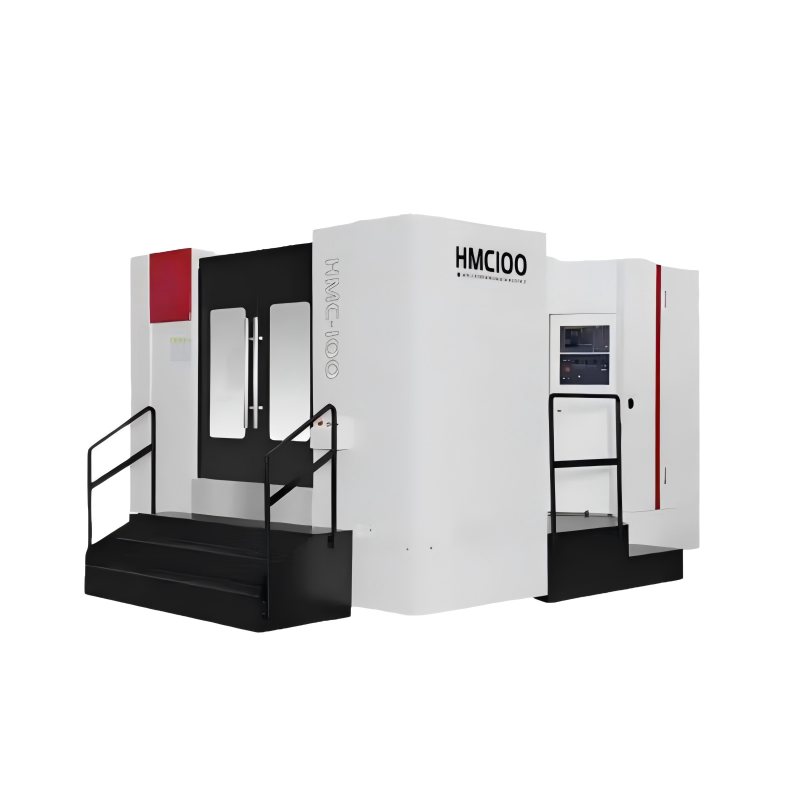
The advancement in manufacturing and automation technologies has placed a significant emphasis on the precision and efficiency of machinery. One such area that greatly benefits from these advancements is the Z-axis positioning system, which, when combined with X-axis and Z-axis Movement, can significantly enhance productivity. This technical report delves into how precise Z-axis positioning systems, alongside coordinated multi-axis movements, are revolutionizing industrial processes, making them more efficient and accurate.
Precision in Z-axis positioning is crucial for applications requiring high accuracy, such as 3D printing, CNC machining, and robotics. In these fields, even minor deviations in the Z-axis can lead to significant errors in the final product. Therefore, developing and implementing advanced Z-axis positioning mechanisms that offer micron-level precision becomes essential. Technologies like linear encoders, servo motors, and ball screws play a vital role in achieving this level of precision. These components work together to ensure smooth, controlled, and highly accurate movements along the Z-axis, contributing to an overall improvement in the quality and consistency of manufactured goods.
To maximize productivity, it's not enough to focus solely on the Z-axis; integrating it with X-axis and other axes' movements is equally important. By synchronizing the motion across multiple axes, manufacturers can create complex geometries and patterns that would be impossible or extremely time-consuming to achieve otherwise. For instance, in additive manufacturing, the ability to precisely control both X-axis and Z-axis movements allows for the creation of intricate structures with minimal material waste. Similarly, in subtractive manufacturing (e.g., milling), synchronized axis movements enable faster processing times and higher surface finish qualities. Advanced control algorithms and software solutions facilitate this synchronization, ensuring that all axes move in harmony, thus optimizing the entire production process.
Software plays a pivotal role in enhancing the performance of multi-axis positioning systems. Modern CAD/CAM software, coupled with sophisticated machine learning algorithms, enables real-time adjustments and optimizations during the manufacturing process. These intelligent systems can predict potential issues before they occur, adjust parameters automatically based on feedback loops, and even learn from past operations to improve future performance. Moreover, user-friendly interfaces make it easier for operators to program and monitor these complex systems, reducing the likelihood of human error and further improving productivity. The integration of X-axis and Z-axis movement through advanced software solutions represents a significant leap forward in achieving unparalleled levels of efficiency and accuracy in industrial settings.
Despite the numerous advantages, there are still challenges associated with Z-axis positioning technology that need to be addressed. One major challenge is the cost of implementing high-precision systems, which can be prohibitive for small to medium-sized enterprises. Additionally, maintaining and calibrating these systems requires specialized knowledge and tools, adding to the operational complexity. Looking ahead, research and development efforts should focus on making these technologies more accessible and user-friendly. Innovations in materials science, such as the use of lightweight yet strong alloys, could also contribute to reducing costs and improving performance. Furthermore, the ongoing digital transformation in manufacturing, including the adoption of Industry 4.0 principles, presents new opportunities for integrating Z-axis positioning systems with other smart factory elements, leading to even greater gains in productivity and efficiency.
In conclusion, the combination of precise Z-axis positioning with coordinated X-axis and Z-axis movements offers substantial benefits in terms of productivity, accuracy, and flexibility. As we continue to push the boundaries of what's possible in manufacturing, it is clear that investing in advanced multi-axis positioning technologies will be key to staying competitive. By addressing current challenges and embracing emerging trends, the industry stands at the threshold of a new era of manufacturing excellence, where every component, from the smallest microchip to the largest aircraft part, can be produced with unprecedented precision and speed.
 25/06/2026
In the realm of precision manufacturing, the accuracy and efficiency of machines play a crucial role in determining the quality and cost-effectiveness of production. One of the key factors influencing these attributes is the alignment of the X-axis, which
Read More24/06/2026In the realm of CNC (Computer Numerical Control) machining, precision is paramount. The accuracy with which a machine can manipulate materials to create parts and components directly impacts the quality and functionality of the end product. One of the key
Read More24/06/2026Understanding the Importance of Z-axis Movement in 3D PrintingThe Z-axis movement is a critical component of any 3D printing process, as it determines the vertical resolution and speed at which layers are deposited. In many 3D printers, the Z-axis control
Read More24/06/2026In the ever-evolving landscape of industrial automation and robotics, the advancements in X-axis actuators have played a pivotal role in enhancing overall system performance. This technical report delves into the recent innovations in X-axis actuators, fo
Read More23/06/2026In the realm of precision engineering, the 2-Axis Slant Bed CNC Lathe stands out as a versatile and efficient tool. This comprehensive guide delves into the intricacies of its features, with a particular focus on the X-axis and Z-axis movement, which are
Read More23/06/2026In the realm of 3D printing, the ability to control and manipulate the X-axis and Z-axis movement is fundamental to achieving high-quality prints. This report delves into the specific role of Z-axis movement within 3D printing processes, exploring its imp
Read More23/06/2026Introduction to Z-axis Control in Precision Machining In the realm of precision machining, achieving a superior surface finish is paramount. The quality of the final product often hinges on the ability to control the movement and positioning of the cuttin
Read More23/06/2026In the world of 3D printing, precision and accuracy are paramount. The quality of a print can be significantly influenced by the movement along different axes, particularly the X-axis and Z-axis. Understanding how X-axis motion affects your prints is cruc
Read More22/06/2026In the realm of robotics, understanding the dynamics of X-axis movement is fundamental to designing efficient and precise machines. The X-axis, along with the Y and Z axes, forms the basis of a three-dimensional coordinate system that defines the position
Read More22/06/2026In the realm of precision engineering, Computer Numerical Control (CNC) machining stands out as a cornerstone for producing components with exact specifications. The importance of Z-axis precision in CNC machining cannot be overstated, especially when con
Read More22/06/2026Understanding the intricacies of 3D printing technology, particularly the dynamics of X-axis and Z-axis movement, is crucial for optimizing print quality, speed, and overall efficiency. In this technical report, we will delve into the mechanisms that gove
Read MoreOur professional sales team is always ready to assist you.