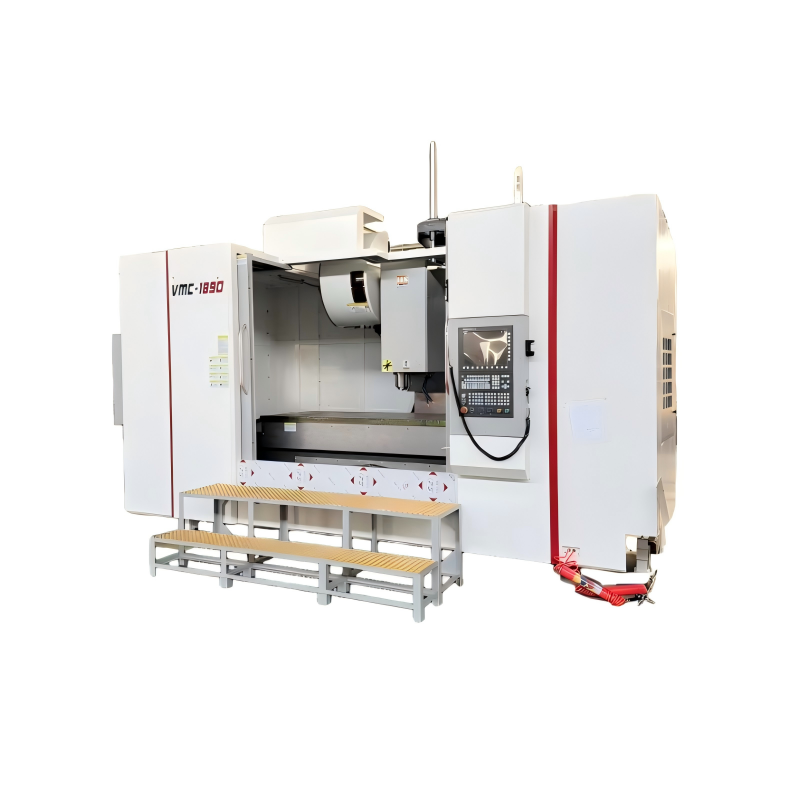
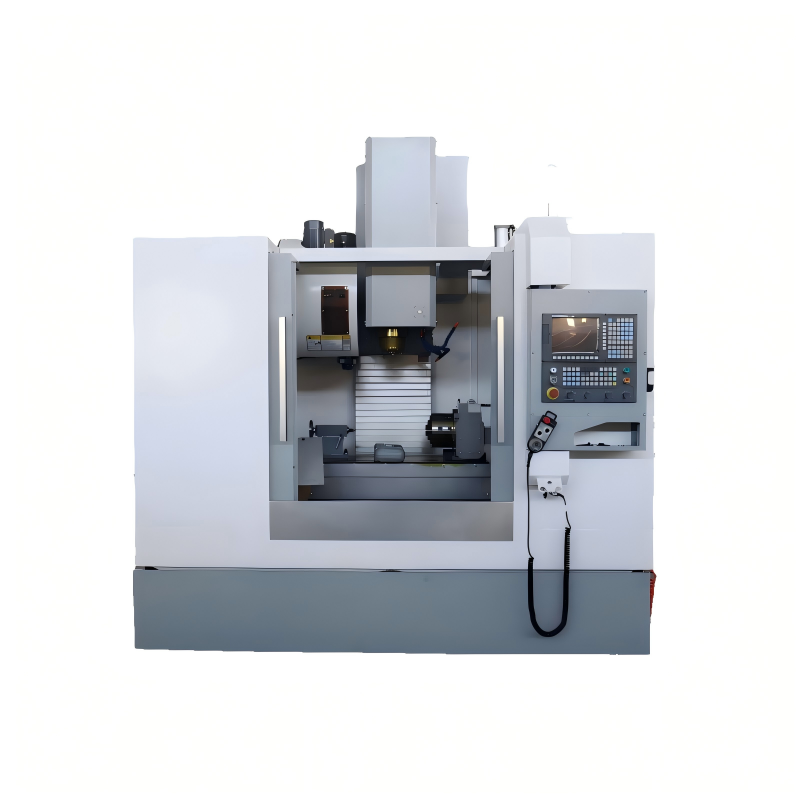
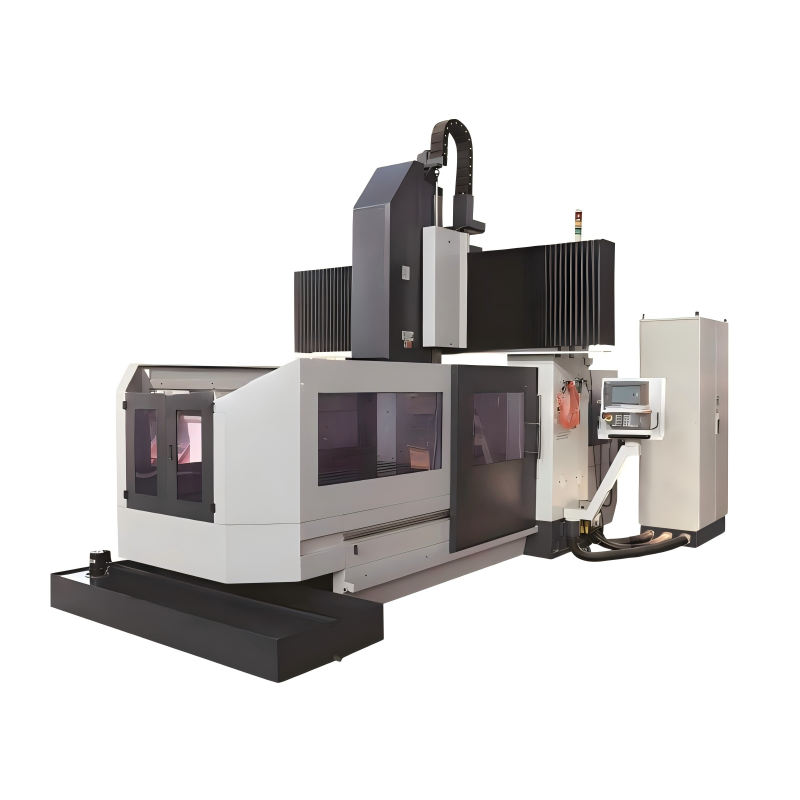
With the rapid advancements in manufacturing technology, companies are increasingly looking towards more efficient and cost-effective solutions for their production needs. One such solution is the Economic 2-Axis CNC Lathe, which offers a balance between affordability and performance. This report aims to evaluate the Return on Investment (ROI) associated with acquiring an Economic 2-Axis CNC Lathe, providing insights into its potential benefits and drawbacks, as well as key considerations that influence the decision-making process.
The primary advantage of investing in an Economic 2-Axis CNC Lathe lies in its ability to reduce operational costs while maintaining or even improving product quality. These lathes are designed to be highly efficient, capable of performing multiple operations in a single setup, thus reducing the need for manual intervention and minimizing human error. As a result, businesses can expect a significant decrease in labor costs, as fewer operators are required to oversee the machining process. Additionally, the precision and consistency provided by these machines lead to less material waste, further contributing to cost savings. It's important to note that although the initial investment may seem substantial, the long-term financial benefits often outweigh the upfront expenses, making the Economic 2-Axis CNC Lathe a smart choice for many manufacturers.
Another major benefit of the Economic 2-Axis CNC Lathe is its capacity to significantly boost productivity. Unlike traditional lathes, which require frequent adjustments and recalibrations, modern CNC lathes are equipped with advanced software that allows for quick and easy programming of complex parts. This feature not only speeds up the production process but also increases the flexibility of the machine, enabling it to handle a wide range of tasks without the need for extensive retooling. Furthermore, the integration of automation technologies, such as automatic tool changers and part loading systems, further enhances the efficiency of these lathes, allowing them to operate continuously with minimal downtime. For businesses aiming to increase their output and adapt quickly to changing market demands, the Economic 2-Axis CNC Lathe represents a valuable asset.
In addition to cost savings and increased productivity, the Economic 2-Axis CNC Lathe also plays a crucial role in enhancing the overall quality of manufactured products. By leveraging precise control mechanisms and high-precision tools, these machines can achieve levels of accuracy that are difficult, if not impossible, to replicate manually. The consistent repeatability offered by CNC lathes ensures that each component produced meets exact specifications, leading to higher customer satisfaction and potentially opening doors to new business opportunities. Moreover, the use of advanced materials and coatings in the construction of these lathes contributes to their durability and longevity, thereby reducing maintenance costs and extending the useful life of the equipment. Investing in an Economic 2-Axis CNC Lathe, therefore, not only improves the current state of production but also lays a solid foundation for future growth and innovation within the organization.
While the advantages of the Economic 2-Axis CNC Lathe are numerous, it is essential to acknowledge the challenges and considerations that come with this investment. Firstly, the learning curve associated with operating and programming these machines can be steep, requiring employees to undergo specialized training. Although this might represent an additional cost, the long-term benefits of having a skilled workforce far outweigh the initial expenditure. Secondly, the initial capital outlay for purchasing and setting up a CNC lathe can be significant, especially for small and medium-sized enterprises. However, various financing options, government grants, and tax incentives are available to help offset these costs. Lastly, the ongoing maintenance and regular updates of the software and hardware components must be factored into the total cost of ownership. Regular servicing and timely upgrades ensure that the machine remains at peak performance, maximizing its contribution to the company's bottom line.
In conclusion, evaluating the ROI on investment in an Economic 2-Axis CNC Lathe reveals a compelling case for its adoption across various industries. From cost efficiency and enhanced productivity to improved quality and consistency, the benefits of integrating this technology into the production process are manifold. While there are certain challenges and considerations to address, the strategic value of such an investment cannot be overstated. For businesses committed to staying competitive and driving innovation, the Economic 2-Axis CNC Lathe stands out as a worthwhile and transformative addition to their manufacturing capabilities.
 26/06/2026
In the rapidly evolving landscape of manufacturing, the economic 2-axis CNC lathe stands out as a critical component, driving efficiency and precision in various industries. This report delves into the future trends that are expected to shape the developm
Read More26/06/2026The evolution of manufacturing technologies has significantly transformed how businesses operate, with Computer Numerical Control (CNC) lathes becoming a cornerstone in precision machining. Among these, the Economic 2-Axis CNC Lathe stands out for its bal
Read More25/06/2026With the rapid development of manufacturing technologies, 2-Axis CNC Lathes have become a cornerstone in the production of precision parts. These machines offer a cost-effective solution for turning operations, making them an attractive option for small t
Read More25/06/2026In the modern manufacturing landscape, the economic 2-axis CNC lathe stands out as a cost-effective yet highly efficient solution for various machining tasks. This report aims to guide operators through the learning curve associated with mastering this pi
Read More25/06/2026In the realm of precision machining, the economic 2-axis CNC lathe stands out as a versatile and cost-effective solution for many small to medium-sized manufacturing operations. This article explores key features that buyers should consider when investing
Read More24/06/2026In the world of manufacturing, precision and efficiency are paramount. As technology advances, so do the tools that manufacturers rely on to produce high-quality components. One such tool that stands out for its versatility and accuracy is the Economic 2-
Read More24/06/2026In the ever-evolving landscape of manufacturing, the quest for higher profit margins is a constant. One effective way to achieve this is through the adoption of advanced yet cost-effective machinery, such as the Economic 2-Axis CNC Lathe. This report will
Read More24/06/2026Investing in an Economic 2-Axis CNC Lathe is a significant step towards enhancing the efficiency and precision of your manufacturing processes. However, to ensure that your investment continues to deliver optimal performance over time, regular maintenance
Read More24/06/2026The landscape of manufacturing has been continuously evolving, driven by advancements in technology and the ever-growing demand for efficiency. One such area that has seen significant progress is the field of 2-Axis CNC (Computer Numerical Control) Lathes
Read More23/06/2026In the rapidly evolving landscape of modern manufacturing, the role of advanced machinery cannot be overstated. Among these, the Economic 2-Axis CNC Lathe stands out as a versatile and efficient solution for various machining needs. This report delves int
Read More23/06/2026The Economic 2-Axis CNC Lathe represents a significant advancement in the field of manufacturing, offering an affordable yet efficient solution for many machining needs. This type of lathe is particularly popular among small to medium-sized enterprises du
Read More23/06/2026Introduction to 2-Axis CNC Lathes in Modern ManufacturingIn the rapidly evolving landscape of precision engineering, the Economic 2-Axis CNC Lathe has emerged as a pivotal tool. These machines are designed to offer high-precision machining capabilities wh
Read More23/06/2026The economic 2-axis CNC lathe is an essential tool for many manufacturing processes, offering precision, efficiency, and cost-effectiveness. This guide aims to provide a comprehensive overview of the key factors to consider when selecting the right econom
Read More22/06/2026In the realm of precision manufacturing, the economic 2-axis CNC lathe stands out as a cost-effective solution for many small to medium-sized enterprises. This report aims to explore how businesses can maximize productivity with an economic 2-axis CNC lat
Read More22/06/2026In today’s competitive manufacturing landscape, small businesses often face the challenge of balancing productivity with cost. One solution that has gained significant traction is the Economic 2-Axis CNC Lathe. This machine offers a blend of efficiency an
Read More22/06/2026Introduction to the Economic 2-Axis CNC Lathe The economic 2-axis CNC lathe has become a cornerstone in modern manufacturing, offering a blend of precision and cost-effectiveness that makes it an attractive option for many industries. This type of lathe i
Read MoreOur professional sales team is always ready to assist you.