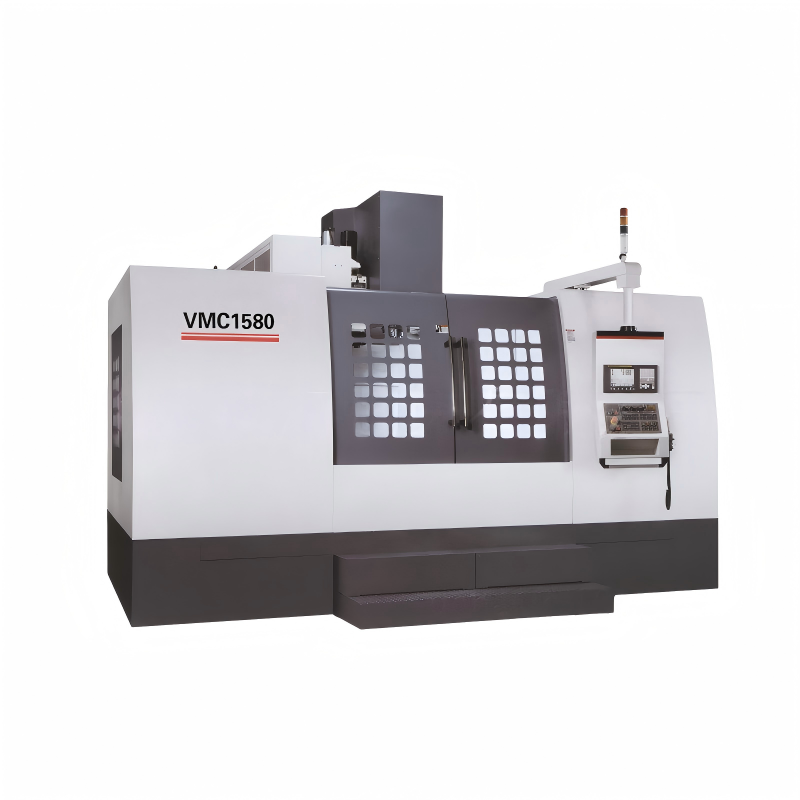
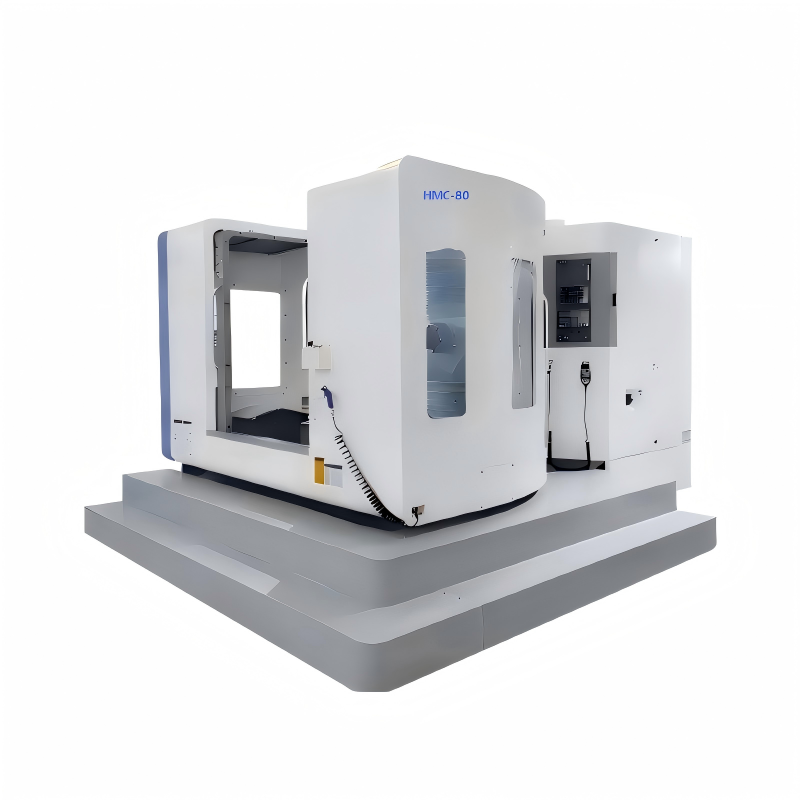
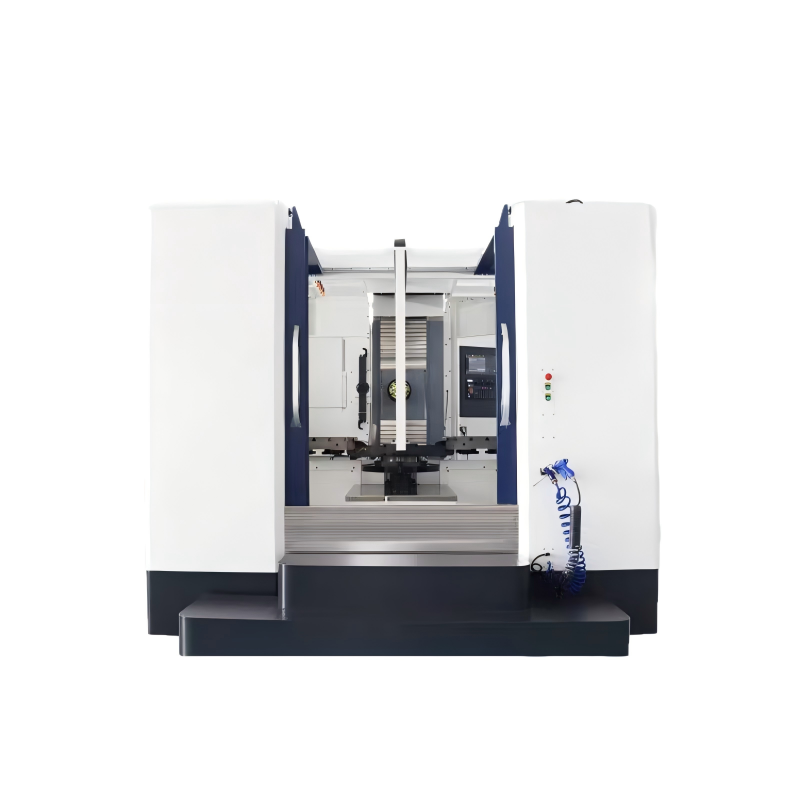
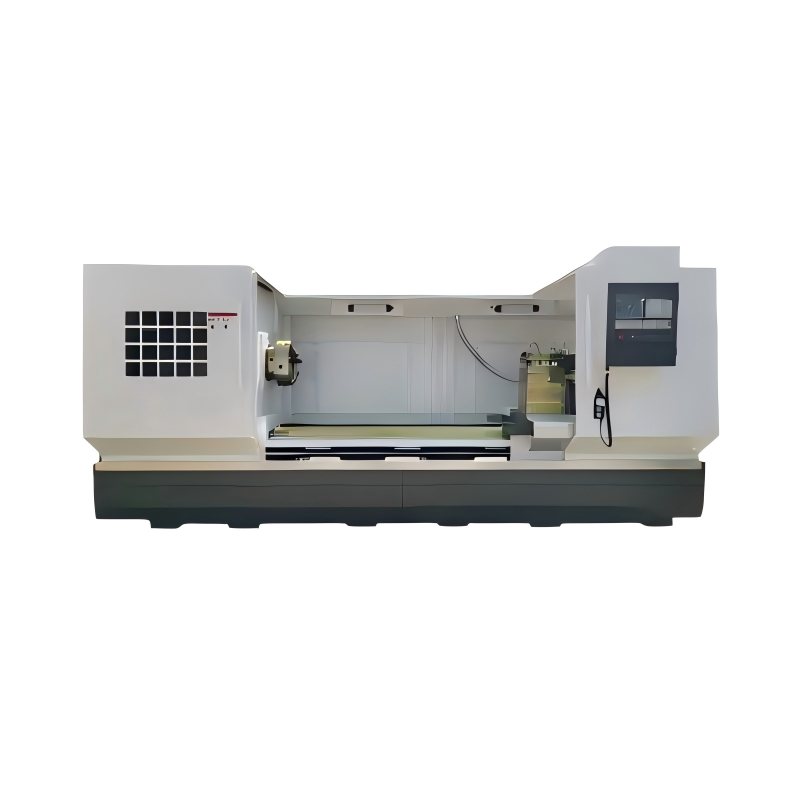
In the realm of precision manufacturing, the accuracy and stability of machine tool movements are critical for achieving high-quality end products. This report focuses on enhancing Z-axis stability, which is vital for improved tool path execution. By improving the control and predictability of Z-axis movements, manufacturers can significantly reduce errors, increase efficiency, and produce parts with higher precision. The following sections will explore various strategies and technologies that can be implemented to achieve these goals.
The Z-axis, often referred to as the vertical axis in many machining setups, plays a crucial role in determining the depth and height of cuts made by the tool. Any instability or deviation in Z-axis movement can lead to surface finish issues, dimensional inaccuracies, and even tool breakage. Therefore, ensuring the stability of the Z-axis is essential for maintaining consistent and reliable tool path execution.
One of the primary challenges in Z-axis movement is the potential for vibration and oscillation, especially during high-speed operations. These vibrations can be caused by various factors, including mechanical imbalances, loose components, and inadequate damping. Addressing these issues requires a comprehensive approach that includes both hardware and software solutions.
Modern control systems have evolved significantly, offering advanced features that can greatly enhance the stability of Z-axis movements. One such feature is adaptive control, which uses real-time feedback to adjust the feed rate and cutting parameters based on the current conditions. This technology can help maintain consistent tool engagement and reduce the risk of overloading the tool, leading to smoother and more stable Z-axis movements.
Another important aspect of control systems is the use of high-resolution encoders and sensors. These devices provide precise positional feedback, allowing the control system to make fine adjustments to the Z-axis position. High-resolution encoders can detect even the smallest deviations, enabling the system to correct them before they become significant. Additionally, integrating these sensors with predictive algorithms can further improve the system's ability to anticipate and mitigate potential instabilities.
The mechanical design of the machine tool itself is another critical factor in Z-axis stability. A well-designed machine structure can minimize vibrations and ensure smooth, predictable movements. One effective strategy is to use rigid materials and designs that distribute loads evenly across the machine. For example, using cast iron or other dense materials for the machine base can help dampen vibrations and provide a stable foundation for the Z-axis.
Additionally, incorporating dynamic balancing techniques can further reduce vibrations. Dynamic balancing involves adjusting the mass distribution of rotating components to minimize any imbalances. This can be particularly effective in reducing vibrations in the Z-axis, as it ensures that the moving parts are balanced and do not create additional forces that could disrupt the tool path. Other mechanical improvements, such as using high-precision bearings and lubrication systems, can also contribute to smoother and more stable Z-axis movements.
While the focus of this report is on Z-axis stability, it is important to consider the interaction between the X-axis and Z-axis movements. Coordinated control of these axes can lead to more efficient and accurate tool paths. For instance, when performing complex 3D milling operations, the X-axis and Z-axis must work in harmony to ensure that the tool follows the desired path precisely.
One approach to achieving coordinated control is through the use of multi-axis controllers. These controllers can manage the movements of multiple axes simultaneously, ensuring that the X-axis and Z-axis are synchronized and aligned. This synchronization is particularly important in applications where the tool needs to follow a curved or angled path, as any misalignment between the axes can result in significant errors. Additionally, implementing real-time monitoring and adjustment systems can help maintain the coordination between the X-axis and Z-axis, ensuring that the tool path is executed with high precision.
Enhancing Z-axis stability is a multifaceted challenge that requires a combination of advanced control systems, optimized mechanical design, and coordinated axis control. By addressing these areas, manufacturers can significantly improve the quality and efficiency of their machining processes. The integration of X-axis and Z-axis movements further enhances the overall performance, ensuring that the tool path is executed with the highest level of precision and reliability.
As technology continues to advance, new solutions and innovations will likely emerge, providing even greater opportunities for improving Z-axis stability and overall machining performance. Manufacturers who invest in these technologies and strategies will be well-positioned to meet the demands of modern precision manufacturing.
 26/06/2026
In the realm of high-speed applications, the design and implementation of X-axis components play a crucial role in determining the overall performance and efficiency of systems. These components, often found in CNC machines, 3D printers, and other precisi
Read More25/06/2026Introduction to Z-axis Adjustment in Microscopy In the field of microscopy, achieving high clarity and resolution is paramount for accurate observation and analysis. The adjustment along the Z-axis, which controls the vertical position of the sample relat
Read More25/06/2026The advancement in manufacturing and automation technologies has placed a significant emphasis on the precision and efficiency of machinery. One such area that greatly benefits from these advancements is the Z-axis positioning system, which, when combined
Read More25/06/2026In the realm of precision manufacturing, the accuracy and efficiency of machines play a crucial role in determining the quality and cost-effectiveness of production. One of the key factors influencing these attributes is the alignment of the X-axis, which
Read More24/06/2026In the realm of CNC (Computer Numerical Control) machining, precision is paramount. The accuracy with which a machine can manipulate materials to create parts and components directly impacts the quality and functionality of the end product. One of the key
Read More24/06/2026Understanding the Importance of Z-axis Movement in 3D PrintingThe Z-axis movement is a critical component of any 3D printing process, as it determines the vertical resolution and speed at which layers are deposited. In many 3D printers, the Z-axis control
Read More24/06/2026In the ever-evolving landscape of industrial automation and robotics, the advancements in X-axis actuators have played a pivotal role in enhancing overall system performance. This technical report delves into the recent innovations in X-axis actuators, fo
Read More23/06/2026In the realm of precision engineering, the 2-Axis Slant Bed CNC Lathe stands out as a versatile and efficient tool. This comprehensive guide delves into the intricacies of its features, with a particular focus on the X-axis and Z-axis movement, which are
Read More23/06/2026In the realm of 3D printing, the ability to control and manipulate the X-axis and Z-axis movement is fundamental to achieving high-quality prints. This report delves into the specific role of Z-axis movement within 3D printing processes, exploring its imp
Read More23/06/2026Introduction to Z-axis Control in Precision Machining In the realm of precision machining, achieving a superior surface finish is paramount. The quality of the final product often hinges on the ability to control the movement and positioning of the cuttin
Read More23/06/2026In the world of 3D printing, precision and accuracy are paramount. The quality of a print can be significantly influenced by the movement along different axes, particularly the X-axis and Z-axis. Understanding how X-axis motion affects your prints is cruc
Read More22/06/2026In the realm of robotics, understanding the dynamics of X-axis movement is fundamental to designing efficient and precise machines. The X-axis, along with the Y and Z axes, forms the basis of a three-dimensional coordinate system that defines the position
Read More22/06/2026In the realm of precision engineering, Computer Numerical Control (CNC) machining stands out as a cornerstone for producing components with exact specifications. The importance of Z-axis precision in CNC machining cannot be overstated, especially when con
Read More22/06/2026Understanding the intricacies of 3D printing technology, particularly the dynamics of X-axis and Z-axis movement, is crucial for optimizing print quality, speed, and overall efficiency. In this technical report, we will delve into the mechanisms that gove
Read MoreOur professional sales team is always ready to assist you.