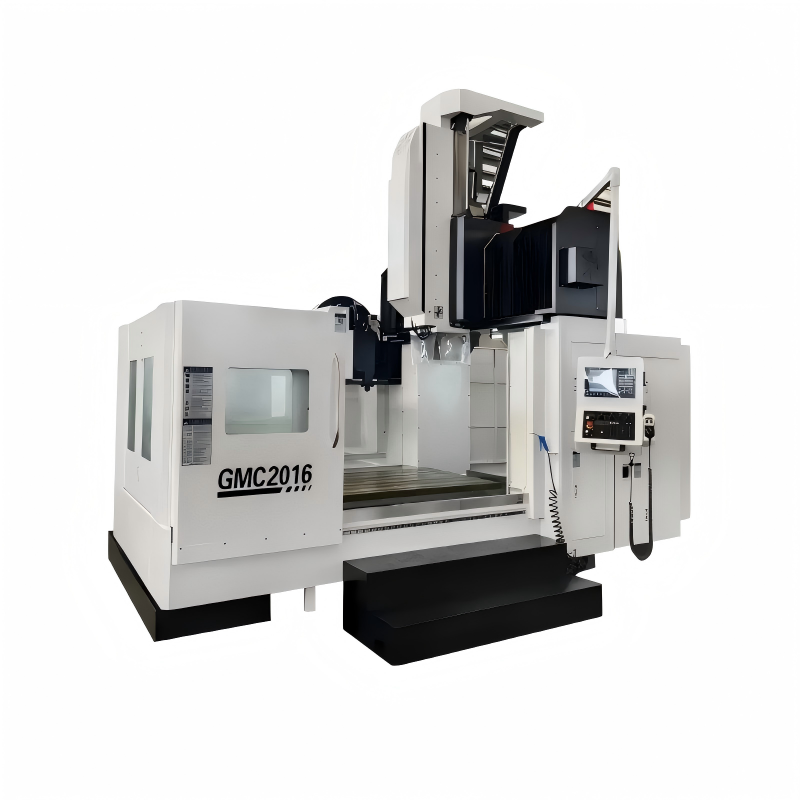
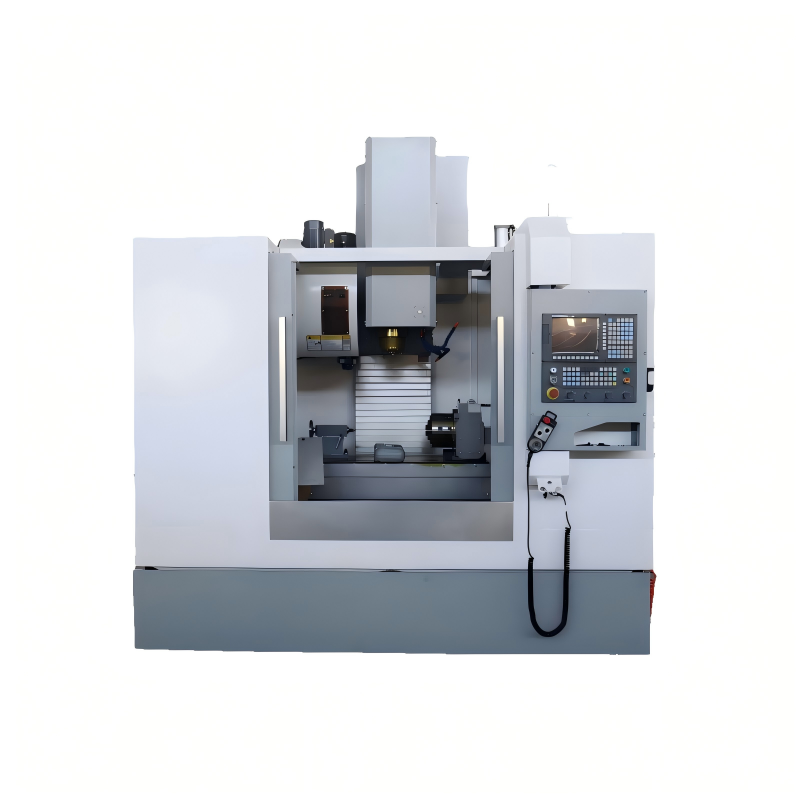
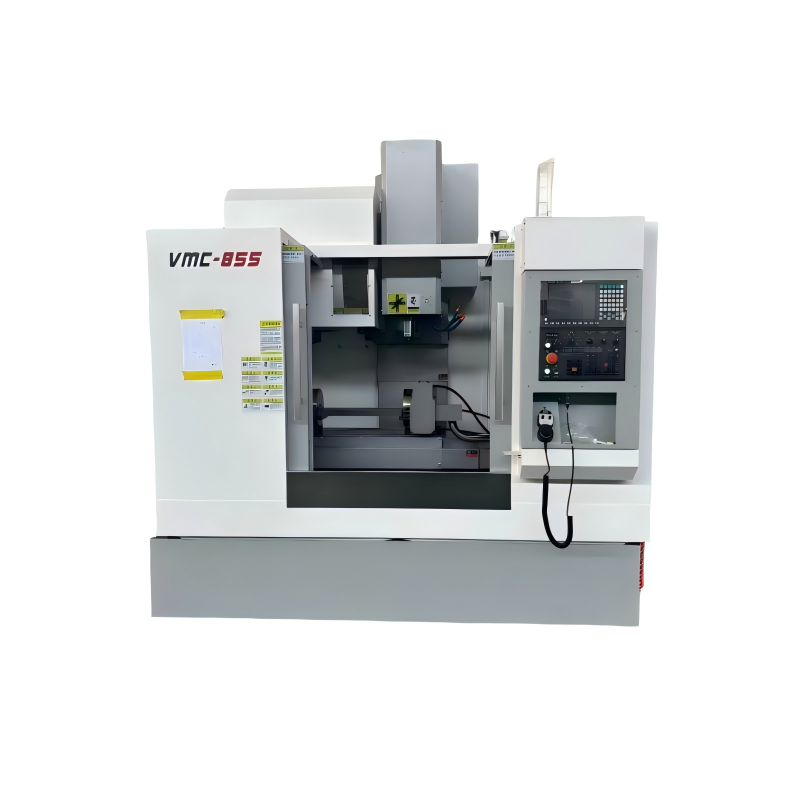
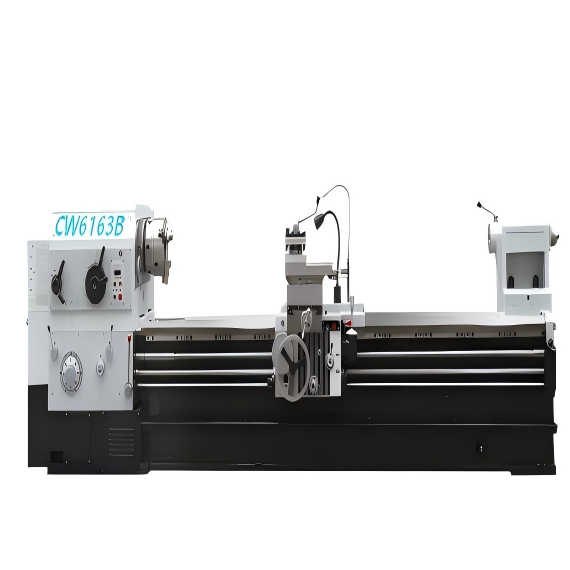
Turn-mill Machining Centers have emerged as a transformative solution for the production of complex components, offering unparalleled precision and efficiency. This report explores the latest advancements in Turn-mill Machining Centers, highlighting their impact on manufacturing processes and the benefits they bring to the industry.
The integration of turning and milling capabilities into a single machine has significantly enhanced operational flexibility. Traditional machining methods often require multiple setups and machines, which can be time-consuming and costly. Turn-mill machining centers, however, allow for both turning and milling operations to be performed in a single setup, reducing the need for part repositioning and minimizing setup times. This not only increases productivity but also reduces the risk of errors associated with multiple setups. The ability to switch between turning and milling operations seamlessly enables manufacturers to handle a wider range of tasks, from simple to highly complex, without the need for additional equipment.
One of the key advantages of turn-mill machining centers is the significant improvement in precision and quality of the final product. These machines are equipped with advanced control systems and high-precision tools that ensure consistent and accurate results. The combination of turning and milling operations in a single setup allows for better control over the machining process, resulting in parts with tighter tolerances and superior surface finishes. Additionally, the use of multi-axis capabilities in turn-mill machining centers enables the machining of complex geometries with ease, further enhancing the quality of the end product. This level of precision is particularly beneficial in industries such as aerospace, automotive, and medical, where even the slightest deviation can have significant consequences.
Turn-mill machining centers play a crucial role in reducing lead times and improving cost efficiency in manufacturing. By consolidating multiple operations into a single setup, these machines eliminate the need for intermediate handling and transportation of parts, which can be a major source of delays and increased costs. The streamlined process also reduces the overall cycle time, allowing for faster production and quicker delivery of finished products. Furthermore, the reduction in setup times and the elimination of additional equipment contribute to lower operational costs. This cost efficiency is particularly advantageous for small and medium-sized enterprises (SMEs) that may have limited resources and need to maximize their return on investment.
The evolution of turn-mill machining centers has been driven by the integration of advanced technologies, such as automation, robotics, and Industry 4.0 solutions. Automation and robotics enable the seamless transfer of parts between different stages of the machining process, reducing human intervention and increasing consistency. Industry 4.0 technologies, including the Internet of Things (IoT), artificial intelligence (AI), and data analytics, provide real-time monitoring and predictive maintenance, ensuring optimal machine performance and minimizing downtime. These technologies also facilitate the collection and analysis of data, enabling continuous improvement and optimization of the manufacturing process. The integration of these advanced technologies in turn-mill machining centers not only enhances their functionality but also positions them at the forefront of modern manufacturing.
Another significant benefit of turn-mill machining centers is their contribution to environmental sustainability. These machines are designed to minimize waste and energy consumption, making them more eco-friendly compared to traditional machining methods. The consolidation of multiple operations into a single setup reduces the amount of material and energy required, leading to a smaller carbon footprint. Additionally, the use of advanced control systems and high-precision tools ensures that material is used more efficiently, further reducing waste. The integration of Industry 4.0 technologies also enables the implementation of energy-efficient practices, such as optimizing machine usage and scheduling, which can significantly reduce energy consumption. As the manufacturing industry increasingly focuses on sustainability, turn-mill machining centers offer a viable solution for achieving both environmental and economic goals.
In conclusion, turn-mill machining centers have revolutionized the production of complex components, offering a range of benefits that enhance operational flexibility, precision, and cost efficiency. The integration of advanced technologies and the focus on environmental sustainability further solidify their position as a key player in modern manufacturing. As the industry continues to evolve, the adoption of turn-mill machining centers will undoubtedly play a pivotal role in driving innovation and excellence in component production.
 28/06/2026
Understanding the Basics of Turn-mill Machining CentersIn the world of advanced manufacturing, the integration of turning and milling operations into a single machine has revolutionized production processes. A turn-mill machining center is designed to per
Read More27/06/2026In the realm of advanced manufacturing, turn-mill machining centers have emerged as a transformative technology, offering unparalleled efficiency and productivity. This report delves into the key aspects of how these machines are revolutionizing the manuf
Read More26/06/2026Introduction to Turn-mill Machining CentersTurn-mill machining centers represent a significant advancement in the field of precision engineering. These machines combine the capabilities of turning and milling operations, allowing for the production of com
Read More25/06/2026In the realm of modern manufacturing, the turn-mill machining center has emerged as a pivotal technology, offering a range of advantages that significantly enhance production capabilities. This report delves into the multifaceted benefits of integrating a
Read More12/06/2026On June 11, a delegation of clients from Iraq specializing in flange manufacturing visited our CNC machine tool factory. The visit focused on understanding the comprehensive equipment solutions for specialized flange production workshops.
Read MoreOur professional sales team is always ready to assist you.