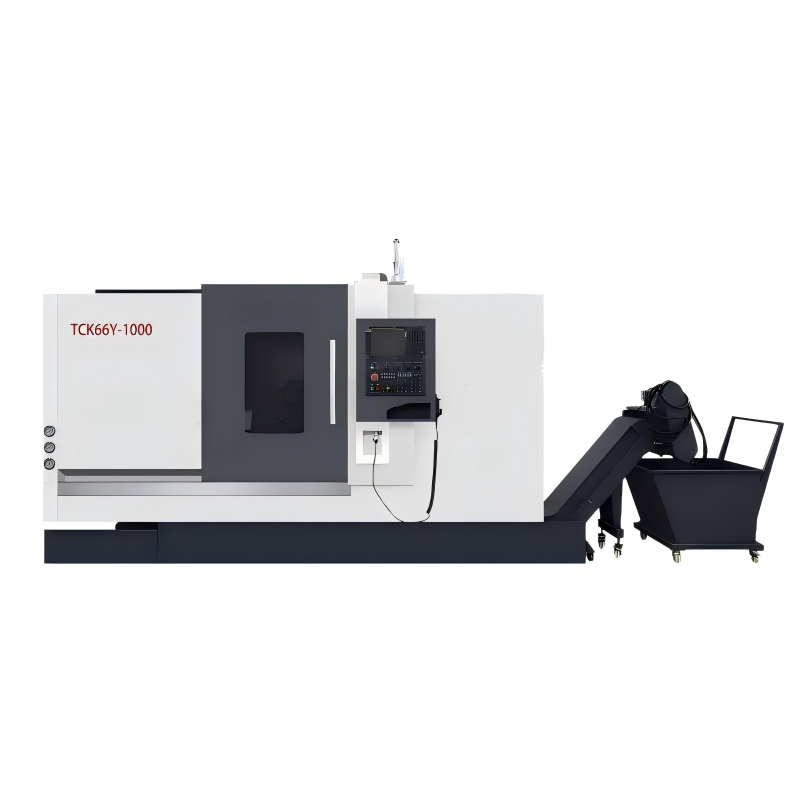
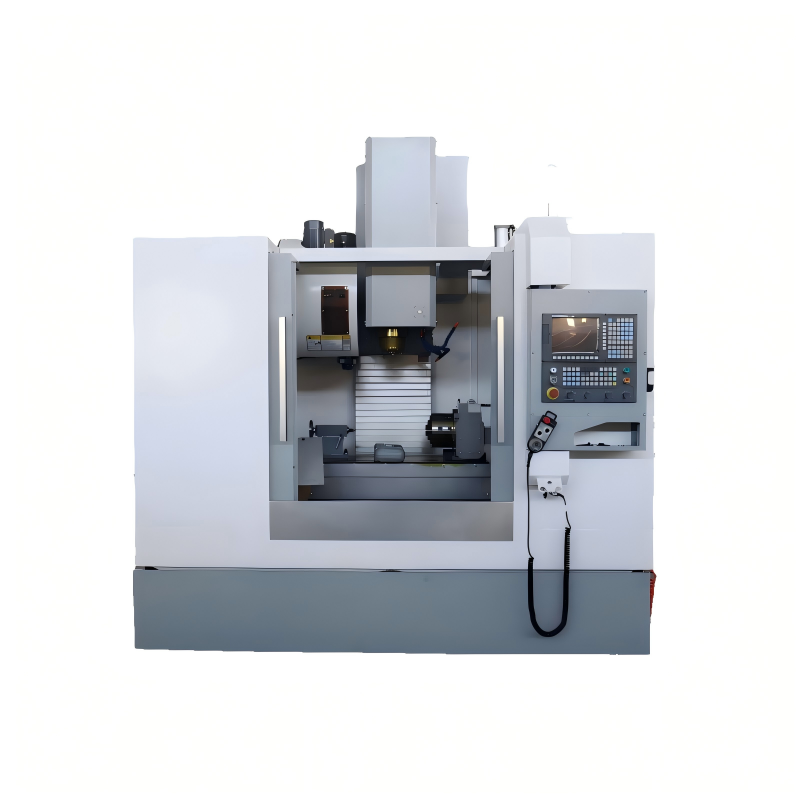
In the ever-evolving landscape of manufacturing, Machining Center innovations are playing a pivotal role in shaping the future. These advanced machines, designed to perform multiple operations with high precision and efficiency, are not only improving productivity but also enabling new levels of customization and flexibility. This report delves into the latest advancements in Machining Centers, exploring how they are transforming the manufacturing industry. From enhanced automation and real-time monitoring to the integration of artificial intelligence (AI) and the Internet of Things (IoT), these innovations are setting new standards for performance and reliability.
One of the most significant advancements in Machining Centers is the improvement in precision and speed. Modern machining centers are equipped with state-of-the-art components that allow for tighter tolerances and faster cutting speeds. High-precision spindles, advanced tool changers, and improved axis control systems contribute to this enhancement. These features enable manufacturers to produce complex parts with greater accuracy and at a higher rate, reducing production time and costs.
The integration of automation and robotics has revolutionized the capabilities of Machining Centers. Automated systems can handle tasks such as loading and unloading, part inspection, and even tool changing, minimizing the need for human intervention. This not only increases the overall efficiency of the manufacturing process but also reduces the risk of errors and downtime. Robotic arms and other automated systems can work 24/7, ensuring continuous production and maximizing output.
Modern Machining Centers are powered by sophisticated software and control systems that offer unparalleled flexibility and control. Advanced CNC (Computer Numerical Control) systems, coupled with user-friendly interfaces, allow operators to program and manage complex machining operations with ease. Additionally, these systems often include features like predictive maintenance, which use data analytics to monitor the health of the machine and predict potential issues before they occur, thereby reducing downtime and maintenance costs.
The integration of IoT (Internet of Things) technology in Machining Centers enables real-time monitoring and data collection. Sensors embedded in the machines collect data on various parameters such as temperature, vibration, and power consumption. This data is then analyzed to provide insights into the machine's performance and to identify any anomalies or potential issues. Real-time monitoring allows for proactive maintenance, reducing the likelihood of unexpected breakdowns and extending the lifespan of the equipment.
AI-powered predictive maintenance is another key feature of modern Machining Centers. By analyzing the data collected from sensors, AI algorithms can predict when a machine is likely to fail or require maintenance. This predictive capability allows for scheduled maintenance, minimizing unplanned downtime and optimizing the overall efficiency of the manufacturing process. Additionally, AI can detect faults and anomalies in real-time, enabling immediate corrective action to be taken, further enhancing the reliability of the machinery.
AI and machine learning algorithms can also be used to optimize production processes in Machining Centers. By analyzing historical data and current operating conditions, these algorithms can identify the most efficient ways to perform specific tasks. This includes optimizing tool paths, adjusting cutting parameters, and even scheduling production runs to maximize throughput and minimize waste. The result is a more efficient and cost-effective manufacturing process, with reduced material usage and energy consumption.
As the manufacturing industry becomes increasingly aware of its environmental impact, there is a growing focus on developing more energy-efficient Machining Centers. New designs and technologies aim to reduce power consumption and minimize waste. For example, some machines now incorporate regenerative braking systems, which capture and reuse energy that would otherwise be lost. Additionally, the use of eco-friendly materials and sustainable manufacturing practices is becoming more prevalent, contributing to a greener and more sustainable future.
One of the key advantages of modern Machining Centers is their ability to handle a wide range of materials and perform a variety of operations. This flexibility allows manufacturers to quickly adapt to changing market demands and customer requirements. With the ability to switch between different tools and processes, Machining Centers can produce a diverse array of parts and components, from simple to highly complex. This versatility is particularly valuable in industries where customization and rapid prototyping are essential.
Future Machining Centers will also place a greater emphasis on collaborative and human-machine interaction. As automation and robotics become more advanced, there is a growing need for machines that can work safely and effectively alongside human operators. Collaborative robots, or cobots, are designed to work in close proximity to humans, assisting with tasks and providing support without the need for safety barriers. This collaborative approach not only enhances productivity but also improves the working environment for operators, making the manufacturing process more efficient and safer.
This content provides a comprehensive overview of the latest advancements in Machining Centers, focusing on three main areas: technological evolution, smart manufacturing, and sustainability. Each section includes detailed sub-points that highlight the key innovations and their impact on the manufacturing industry. 04/06/2026
In the rapidly evolving aerospace industry, machining centers have emerged as pivotal tools for advancing manufacturing processes. These advanced machines not only enhance productivity but also play a crucial role in maintaining the high standards of prec
Read More03/06/2026IntroductionIn the realm of modern manufacturing, machining centers play a pivotal role in transforming raw materials into finished products. These advanced machines are designed to perform multiple operations such as milling, drilling, and turning, all w
Read More02/06/2026In today’s competitive manufacturing environment, the quest for enhancing product quality while simultaneously reducing operational costs has become a critical success factor. The integration of state-of-the-art machining centers into production processes
Read More01/06/2026In the realm of modern manufacturing, the role of a machining center, especially those controlled by Computer Numerical Control (CNC) systems, has become increasingly prominent. These machines are not just tools; they represent a significant leap in techn
Read More31/05/2026IntroductionThe machining center, a cornerstone of modern manufacturing, has evolved significantly over the years. With advancements in technology, these machines have become more efficient, versatile, and capable of handling complex tasks. This report ai
Read More30/05/2026IntroductionThe machining industry is on the cusp of a transformative era, driven by advancements in Machining Center technology. As we look towards the future, it becomes increasingly clear that innovations in this field will not only enhance productivit
Read More29/05/2026IntroductionThe selection of the right machining center is a critical decision for any manufacturing operation, as it directly impacts productivity, efficiency, and overall profitability. A machining center, also known as a CNC (Computer Numerical Control
Read More28/05/2026The automotive industry, a cornerstone of modern manufacturing, is experiencing an unprecedented transformation driven by the integration of advanced technologies. Among these, machining centers are playing a pivotal role in revolutionizing production pro
Read More26/05/2026In the realm of precision manufacturing, the machining center stands as a cornerstone technology, offering unparalleled versatility and efficiency. This document explores how modern advancements in machining centers are revolutionizing the industry, focus
Read MoreOur professional sales team is always ready to assist you.