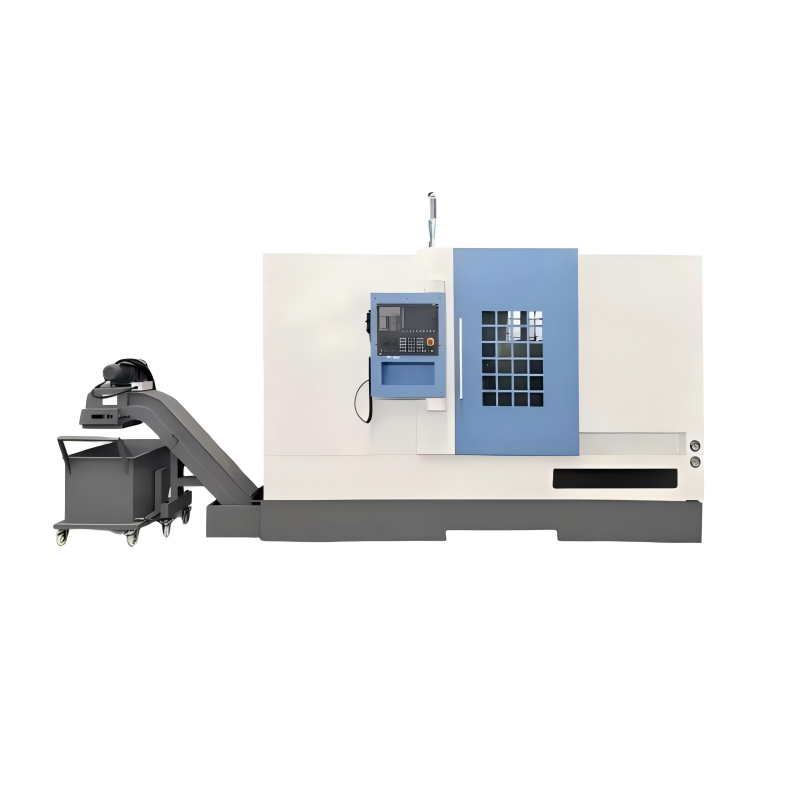
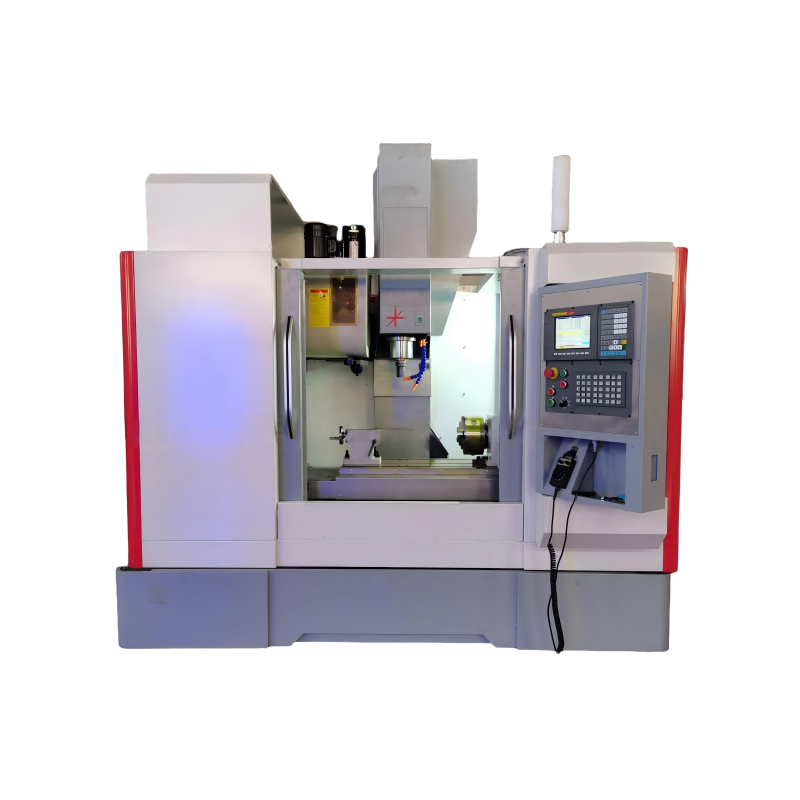
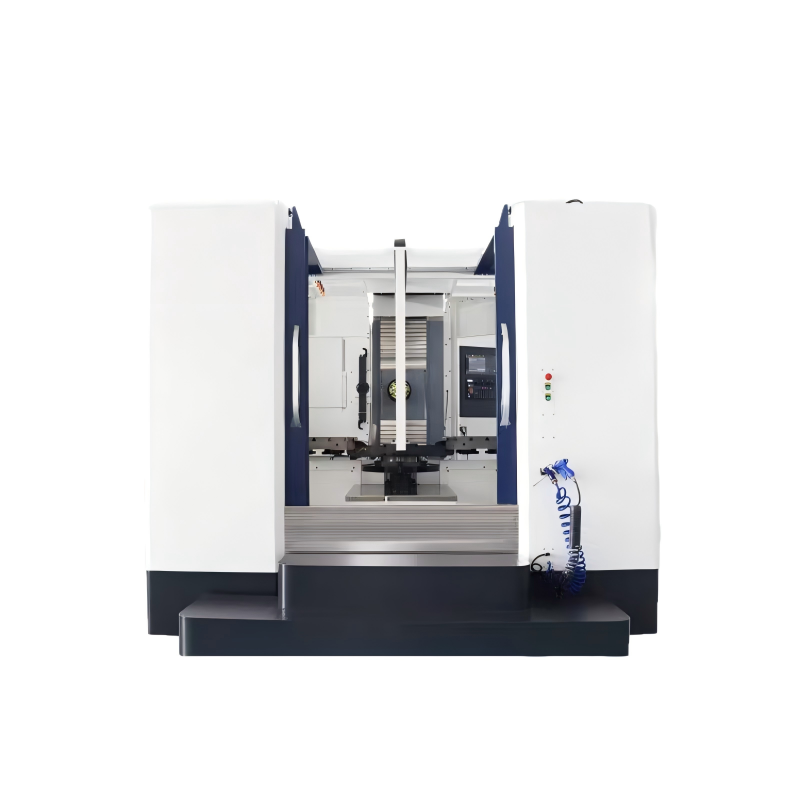
In today’s fast-paced manufacturing environment, the quest for efficiency and productivity is more critical than ever. Advanced Custom Lathe Machines have emerged as a key solution to meet these demands, offering unparalleled precision, flexibility, and speed. This technical report explores how these machines can be leveraged to maximize efficiency in various manufacturing processes.
The journey of the lathe machine from its rudimentary form to the advanced custom lathe machines we see today is a testament to human ingenuity and technological advancement. Traditional lathes were limited in their capabilities and required significant manual intervention. However, with the advent of computer numerical control (CNC) technology, lathes have evolved into highly sophisticated tools capable of performing complex operations with minimal human input. Custom lathe machines, in particular, are designed to meet specific manufacturing requirements, making them an indispensable asset in modern production lines.
Advanced custom lathe machines are equipped with a range of features that set them apart from their conventional counterparts. These features include:
Efficiency in manufacturing is not just about the speed of individual machines; it's also about how well they fit into the overall workflow. Custom lathe machines play a crucial role in optimizing the entire production process. By integrating these machines into a well-designed workflow, manufacturers can achieve several benefits:
To illustrate the impact of custom lathe machines on manufacturing efficiency, let's look at a few real-world case studies:
Advanced custom lathe machines are a game-changer in the manufacturing industry, offering a combination of precision, flexibility, and efficiency that is unmatched by traditional lathes. By leveraging these machines, manufacturers can optimize their workflows, reduce lead times, and improve the quality of their products. As technology continues to advance, the capabilities of custom lathe machines will only continue to grow, making them an essential tool for any forward-thinking manufacturing operation.
 24/06/2026
When it comes to selecting a Custom Lathe Machine, the process can be quite intricate and requires careful consideration of multiple factors. This guide aims to provide a comprehensive overview for anyone looking to invest in such machinery, ensuring that
Read More24/06/2026Understanding the intricacies of Custom Lathe Machine design is essential for anyone involved in manufacturing or engineering. These machines, tailored to specific needs, represent a blend of precision, versatility, and efficiency. This technical report a
Read More24/06/2026In the ever-evolving landscape of manufacturing, custom lathe machines have emerged as a game-changer, transforming the way industries approach precision machining. These machines, tailored to specific needs, offer unparalleled flexibility and efficiency,
Read More23/06/2026Lathe machines have been a cornerstone of manufacturing and engineering for centuries, evolving from simple hand-operated devices to the highly sophisticated, automated systems we see today. Among these, custom lathe machines stand out as solutions tailor
Read More23/06/2026In the ever-evolving landscape of manufacturing, the demand for precision and customization has never been higher. Custom lathe machines stand at the forefront of this revolution, offering unparalleled accuracy and versatility. This report delves into the
Read More23/06/2026In the rapidly evolving landscape of modern manufacturing, the role of custom lathe machines cannot be overstated. These sophisticated tools have become indispensable for producing components with high precision and efficiency. This report explores recent
Read MoreOur professional sales team is always ready to assist you.