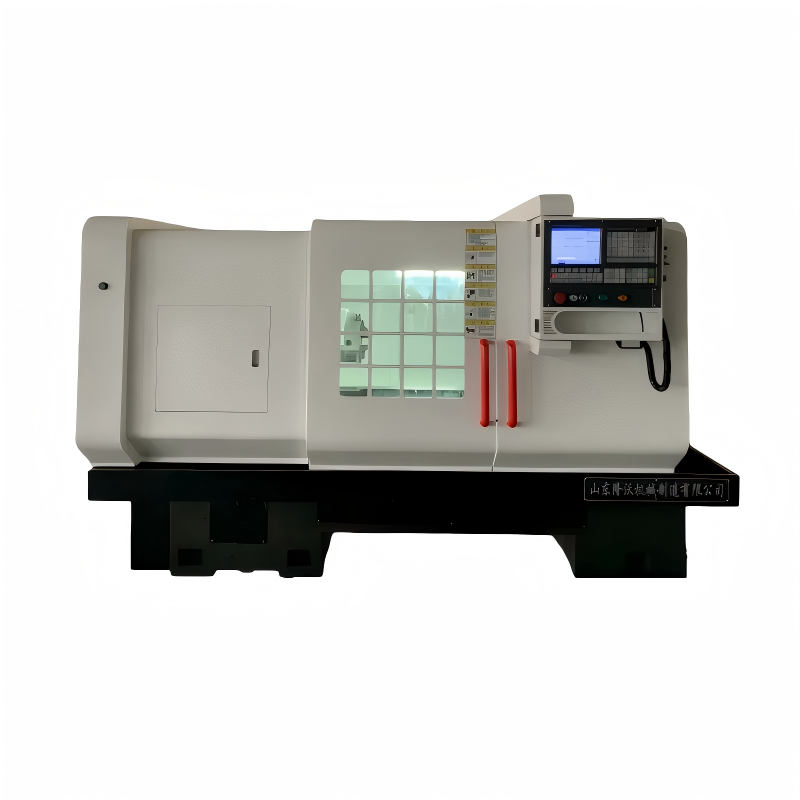
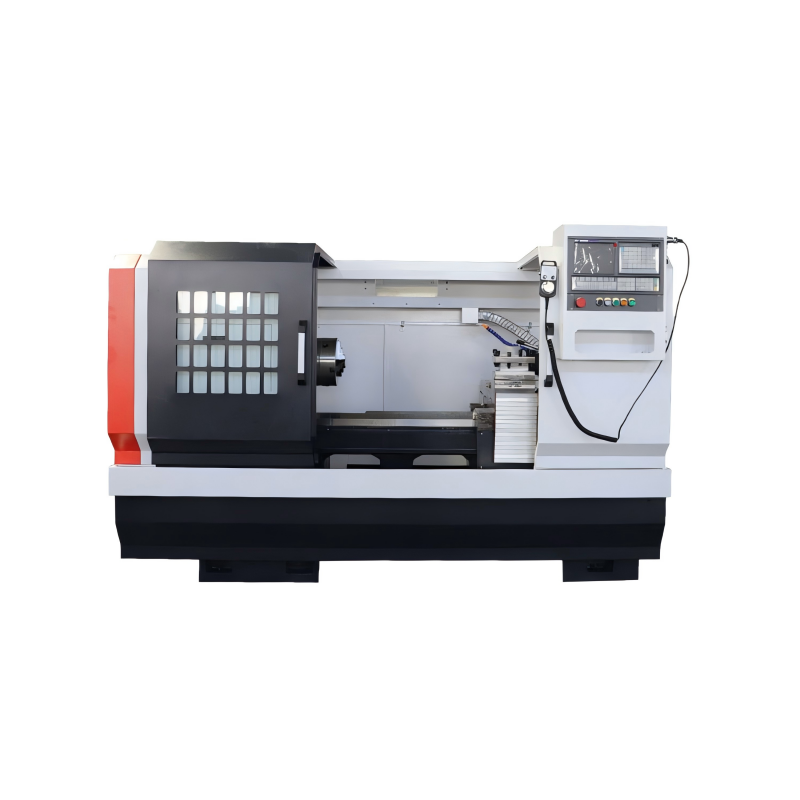
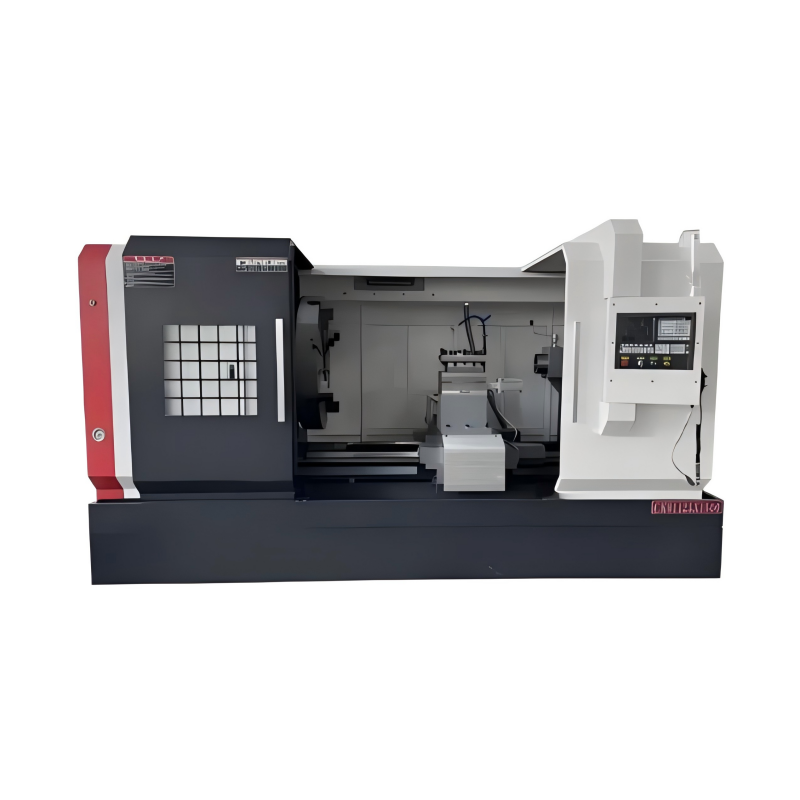
Understanding the intricacies of Custom Lathe Machine design is essential for anyone involved in manufacturing or engineering. These machines, tailored to specific needs, represent a blend of precision, versatility, and efficiency. This technical report aims to unveil the secrets behind the design of custom lathe machines, exploring their components, customization options, and the benefits they offer over standard models.
At the heart of any Custom Lathe Machine are its core components, which include the headstock, tailstock, carriage, and bed. The headstock houses the spindle, which rotates the workpiece, while the tailstock provides support at the other end. The carriage, equipped with cutting tools, moves along the bed to shape the workpiece. In custom designs, these components are often modified to meet specific requirements, such as increased power, precision, or durability. For instance, a custom lathe might feature a more robust spindle to handle heavier workpieces or a longer bed to accommodate larger parts. Additionally, the choice of materials for these components can be tailored to the application, ensuring optimal performance and longevity.
One of the key advantages of a Custom Lathe Machine is the ability to tailor it to specific manufacturing needs. Customization can range from minor adjustments to major modifications, depending on the intended use. Common customization options include:
These customization options not only improve the machine's performance but also enhance its versatility, making it suitable for a wide range of applications, from high-precision aerospace components to large-scale industrial parts.
While standard lathe machines are versatile and widely used, Custom Lathe Machines offer several distinct advantages that make them indispensable in certain industries. Some of the key benefits include:
In conclusion, the design of a Custom Lathe Machine is a complex and multifaceted process that involves careful consideration of the machine's components, customization options, and the specific needs of the application. By understanding the core components, exploring the available customization options, and recognizing the benefits of custom lathes, manufacturers can make informed decisions that lead to improved efficiency, precision, and overall performance. Whether for high-precision aerospace components or large-scale industrial parts, custom lathes offer a level of versatility and performance that standard models simply cannot match.
 24/06/2026
When it comes to selecting a Custom Lathe Machine, the process can be quite intricate and requires careful consideration of multiple factors. This guide aims to provide a comprehensive overview for anyone looking to invest in such machinery, ensuring that
Read More24/06/2026In today’s fast-paced manufacturing environment, the quest for efficiency and productivity is more critical than ever. Advanced Custom Lathe Machines have emerged as a key solution to meet these demands, offering unparalleled precision, flexibility, and s
Read More24/06/2026In the ever-evolving landscape of manufacturing, custom lathe machines have emerged as a game-changer, transforming the way industries approach precision machining. These machines, tailored to specific needs, offer unparalleled flexibility and efficiency,
Read More23/06/2026Lathe machines have been a cornerstone of manufacturing and engineering for centuries, evolving from simple hand-operated devices to the highly sophisticated, automated systems we see today. Among these, custom lathe machines stand out as solutions tailor
Read More23/06/2026In the ever-evolving landscape of manufacturing, the demand for precision and customization has never been higher. Custom lathe machines stand at the forefront of this revolution, offering unparalleled accuracy and versatility. This report delves into the
Read More23/06/2026In the rapidly evolving landscape of modern manufacturing, the role of custom lathe machines cannot be overstated. These sophisticated tools have become indispensable for producing components with high precision and efficiency. This report explores recent
Read MoreOur professional sales team is always ready to assist you.