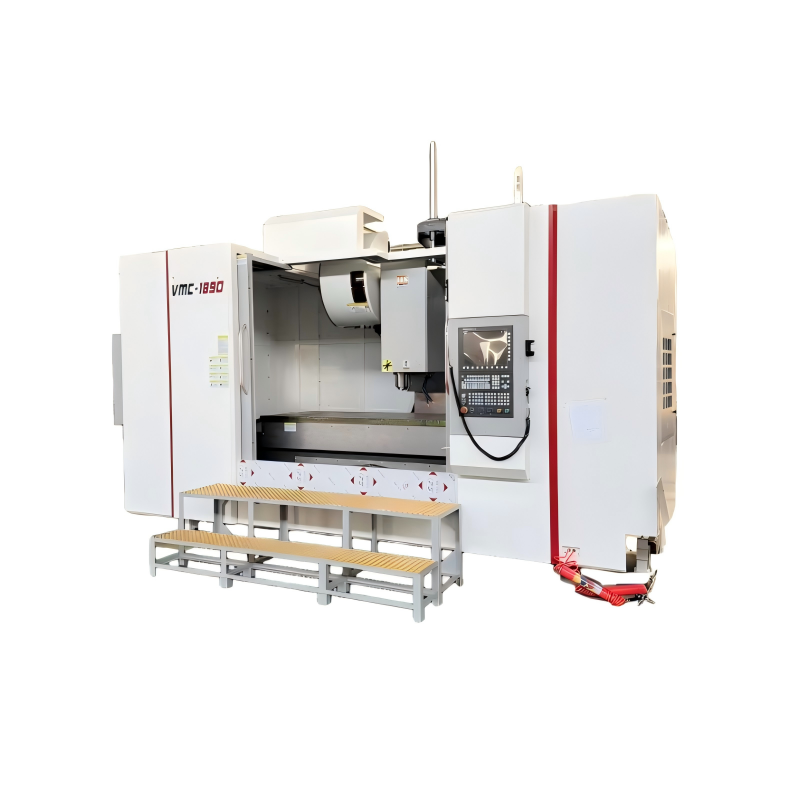
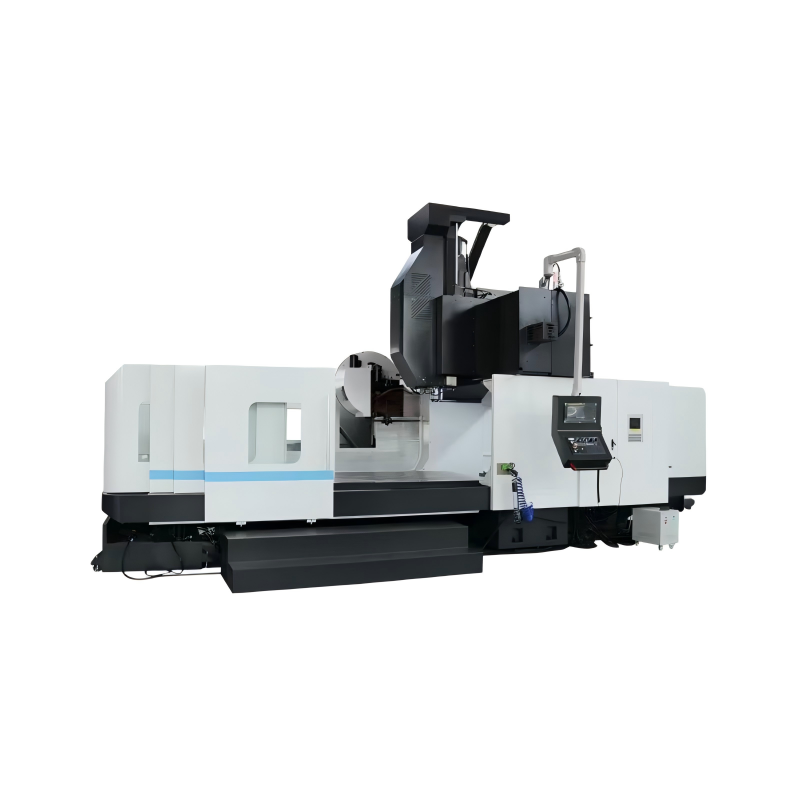
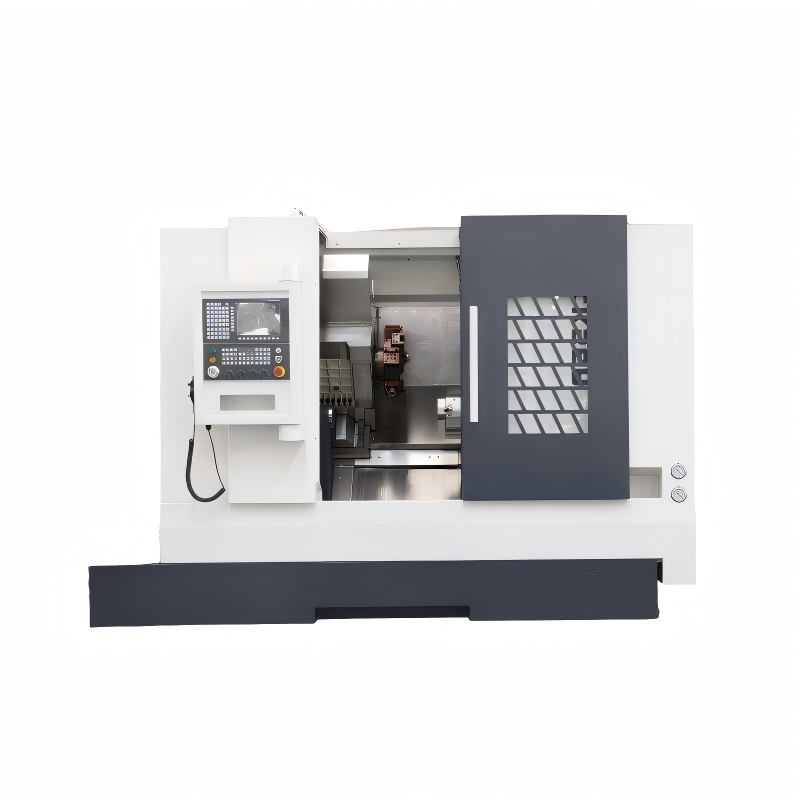
When it comes to selecting a Custom Lathe Machine, the process can be quite intricate and requires careful consideration of multiple factors. This guide aims to provide a comprehensive overview for anyone looking to invest in such machinery, ensuring that your choice is both efficient and cost-effective. We will explore key aspects including the types of custom lathe machines available, critical features to look out for, and how to match your specific needs with the right machine.
A Custom Lathe Machine is a versatile tool used primarily for shaping metal, wood, or other materials by rotating them against cutting tools. These machines are designed to perform various operations such as turning, facing, threading, drilling, and more. The customization aspect allows for tailored solutions to meet specific industrial or project requirements, making these machines highly adaptable. Before delving into the selection process, it's essential to understand the fundamental components and functions of a lathe machine. This includes the headstock, which holds and rotates the workpiece; the tailstock, providing support on the opposite end; and the carriage, which moves the cutting tool along the workpiece. Each component plays a crucial role in determining the precision and efficiency of the machining process.
The first step in choosing a Custom Lathe Machine is to clearly define your operational requirements. Start by assessing the type and size of materials you will be working with, as well as the desired level of precision and production volume. For instance, if you are dealing with large-scale manufacturing, a heavy-duty lathe with robust construction and high horsepower might be necessary. Conversely, for smaller, more intricate projects, a precision lathe with fine-tuned controls could be more appropriate. Additionally, consider the specific tasks the machine will perform, such as turning, facing, or threading, and ensure that the selected model can handle these operations efficiently. It's also important to evaluate the space available in your workshop, as some lathes require more floor space than others. By carefully aligning your needs with the capabilities of the lathe, you can ensure a more productive and cost-effective investment.
There are several types of Custom Lathe Machines available, each designed for specific applications. Understanding the differences between these types is crucial for making an informed decision. Traditional manual lathes offer a hands-on approach, allowing operators to control every aspect of the machining process. These are ideal for small workshops or projects requiring high levels of customization. CNC (Computer Numerical Control) lathes, on the other hand, are automated and controlled by computer programs, providing high precision and repeatability. They are particularly useful for large-scale production and complex designs. Another option is the multi-axis lathe, which combines the capabilities of a traditional lathe with additional axes for more complex and versatile machining. These machines are suitable for producing parts with intricate geometries and can significantly reduce setup times. Lastly, there are specialized lathes, such as those designed for specific materials like glass or plastic, which come with unique features and functionalities. By considering the specific requirements of your project, you can select the most appropriate type of lathe to meet your needs.
When evaluating a Custom Lathe Machine, certain features are critical to its performance and suitability for your needs. One of the primary considerations is the spindle speed, which determines the range of rotational speeds the machine can achieve. Higher spindle speeds are generally better for softer materials, while lower speeds are suitable for harder materials. The bed length and swing over the bed are also important, as they determine the maximum size of the workpiece that can be accommodated. Additionally, the power of the motor is a key factor, as it affects the machine's ability to handle tough materials and maintain consistent performance. Precision and accuracy are paramount, so look for lathes with high-quality bearings and a rigid construction to minimize vibrations and ensure smooth operation. Advanced features such as digital readouts, automatic tool changers, and coolant systems can further enhance the machine's functionality and ease of use. By focusing on these key features, you can select a lathe that not only meets your current needs but also provides room for future growth and expansion.
Investing in a Custom Lathe Machine is a significant financial decision, and it's important to consider both the initial cost and long-term expenses. The upfront cost of a lathe can vary widely depending on the type, size, and features. While it may be tempting to opt for a cheaper model, it's often more cost-effective in the long run to invest in a higher-quality machine that offers better performance and durability. Maintenance and repair costs should also be factored in, as regular upkeep is essential to keep the machine running smoothly. Consider the availability of spare parts and the quality of after-sales service provided by the manufacturer. Additionally, energy efficiency is an important consideration, as it can lead to significant savings over time. Some lathes are designed with energy-efficient motors and features that reduce power consumption without compromising performance. By carefully evaluating the total cost of ownership, you can make a more informed decision that balances your budget with your long-term needs.
Selecting the right Custom Lathe Machine is a multifaceted process that requires a thorough understanding of your specific needs and the available options. By considering the basics of lathe machines, evaluating your operational requirements, exploring the different types of lathes, and focusing on key features, you can make a well-informed decision. Additionally, factoring in cost considerations and long-term investment will help ensure that your chosen lathe is both efficient and cost-effective. With the right machine, you can enhance your productivity, improve the quality of your work, and achieve your project goals with confidence.
 24/06/2026
In today’s fast-paced manufacturing environment, the quest for efficiency and productivity is more critical than ever. Advanced Custom Lathe Machines have emerged as a key solution to meet these demands, offering unparalleled precision, flexibility, and s
Read More24/06/2026Understanding the intricacies of Custom Lathe Machine design is essential for anyone involved in manufacturing or engineering. These machines, tailored to specific needs, represent a blend of precision, versatility, and efficiency. This technical report a
Read More24/06/2026In the ever-evolving landscape of manufacturing, custom lathe machines have emerged as a game-changer, transforming the way industries approach precision machining. These machines, tailored to specific needs, offer unparalleled flexibility and efficiency,
Read More23/06/2026Lathe machines have been a cornerstone of manufacturing and engineering for centuries, evolving from simple hand-operated devices to the highly sophisticated, automated systems we see today. Among these, custom lathe machines stand out as solutions tailor
Read More23/06/2026In the ever-evolving landscape of manufacturing, the demand for precision and customization has never been higher. Custom lathe machines stand at the forefront of this revolution, offering unparalleled accuracy and versatility. This report delves into the
Read More23/06/2026In the rapidly evolving landscape of modern manufacturing, the role of custom lathe machines cannot be overstated. These sophisticated tools have become indispensable for producing components with high precision and efficiency. This report explores recent
Read MoreOur professional sales team is always ready to assist you.