Introduction
Selecting the right industrial lathe machine is a critical decision for any workshop, as it directly impacts productivity, precision, and overall efficiency. An industrial lathe machine is an essential tool in manufacturing, capable of performing a wide range of operations, from turning and threading to facing and drilling. This report aims to provide a comprehensive guide on how to choose the appropriate industrial lathe machine for your specific needs, ensuring that you make an informed decision.
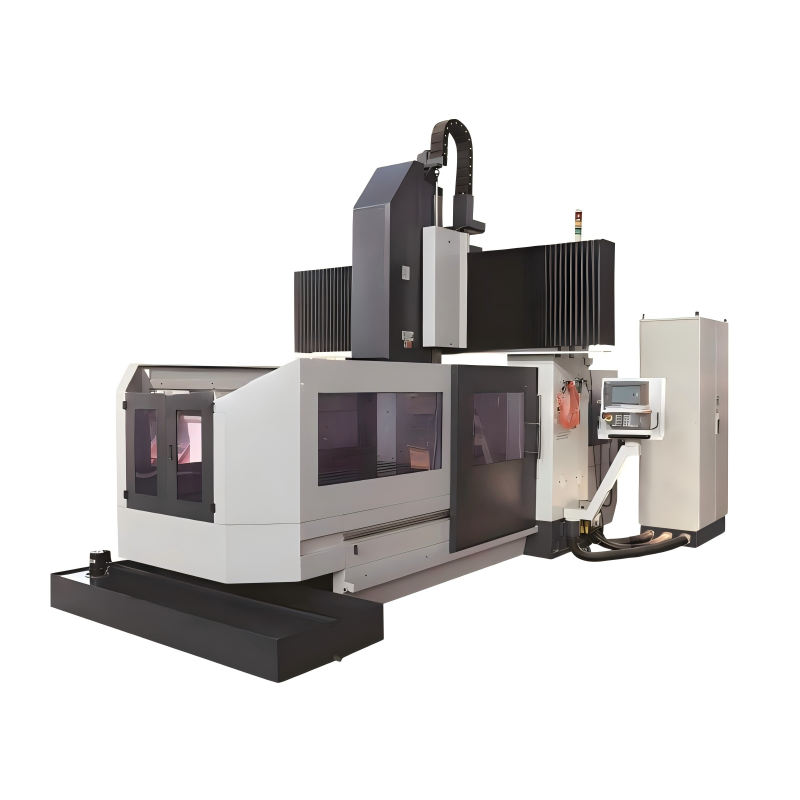
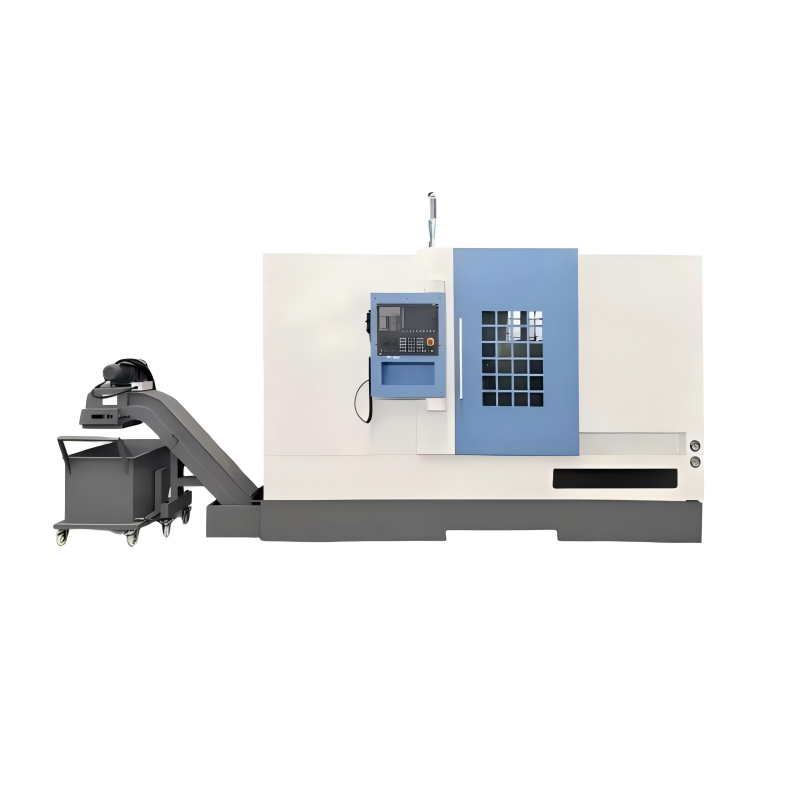
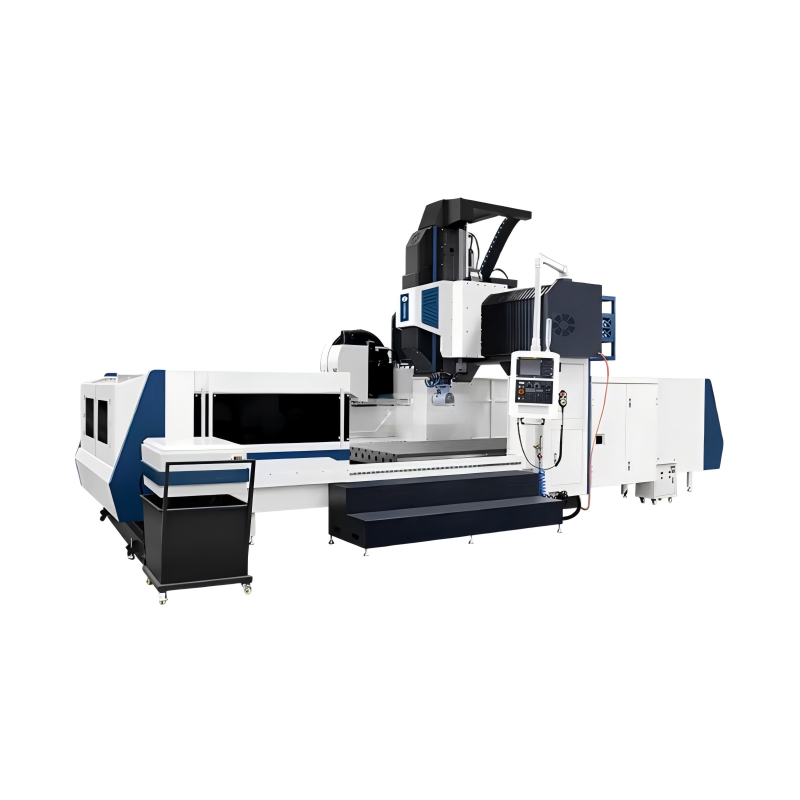
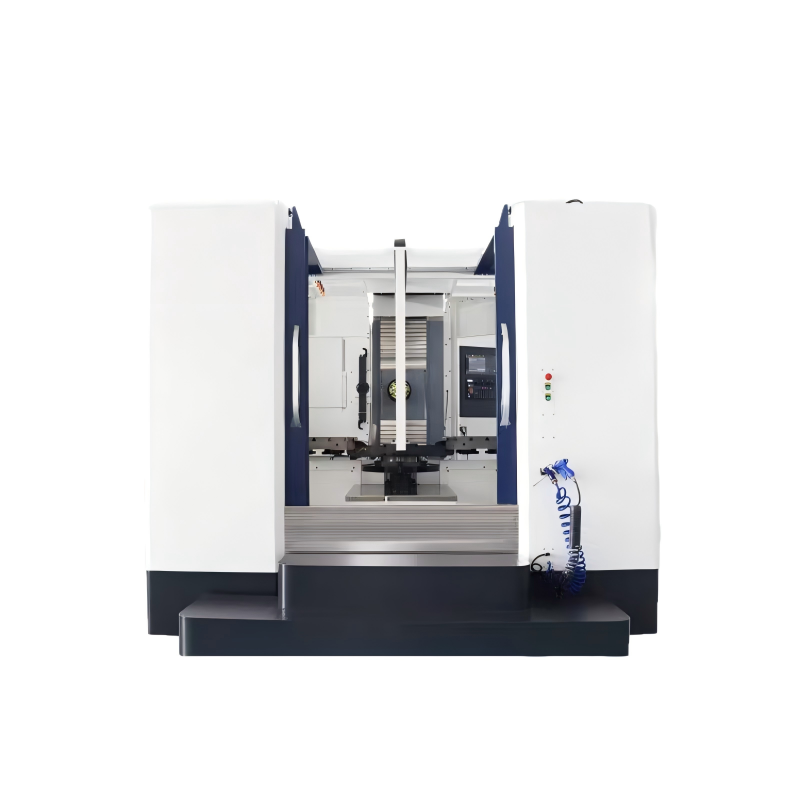
Before diving into the selection process, it’s important to understand the different types of industrial lathe machines available in the market. The most common types include:
Each type of industrial lathe machine has its own set of advantages and limitations, so it’s crucial to consider the specific requirements of your workshop when making a choice.
To select the right industrial lathe machine, you must first evaluate the specific needs of your workshop. Consider the following factors:
By thoroughly evaluating these factors, you can narrow down the options and focus on the industrial lathe machine that best fits your workshop’s needs.
Once you have identified the type of industrial lathe machine that suits your workshop, the next step is to assess the specifications and features of the machines. Key aspects to consider include:
By carefully assessing these specifications and features, you can ensure that the industrial lathe machine you choose is well-suited to your workshop’s requirements and will perform optimally.
Maintenance and support are often overlooked but are crucial factors in the long-term success of your industrial lathe machine. Consider the following:
By considering these maintenance and support factors, you can ensure that your industrial lathe machine remains in optimal condition and continues to deliver high performance over its lifespan.
Choosing the right industrial lathe machine for your workshop is a multifaceted decision that requires careful consideration of various factors. By understanding the different types of lathes, evaluating your workshop’s specific needs, assessing the machine’s specifications and features, and considering maintenance and support, you can make an informed decision that will enhance your workshop’s productivity and efficiency. Remember, the right industrial lathe machine is an investment that will pay off in the long run, providing you with the tools needed to meet the demands of your projects and achieve your business goals.
 24/06/2026
Industrial lathe machines play a crucial role in manufacturing processes, providing the precision and efficiency needed for turning, facing, and threading operations. Proper maintenance of these machines is essential to ensure their longevity, performance
Read More24/06/2026The industrial lathe machine stands as a cornerstone in the world of manufacturing, playing an indispensable role in shaping materials with precision and efficiency. As technology advances, so too does the potential for optimizing these machines to delive
Read More23/06/2026The industrial lathe machine has long been a cornerstone of manufacturing, providing the precision and versatility needed to shape materials into intricate parts. As technology advances, these machines continue to evolve, incorporating new features that e
Read More23/06/2026Industrial Lathe Machines play a crucial role in the manufacturing industry, particularly when it comes to creating cylindrical parts with high precision. The importance of precision cannot be overstated, as even the slightest deviation can result in subs
Read More23/06/2026Industrial lathe machines are essential tools in the manufacturing and engineering sectors, playing a crucial role in shaping and machining various materials. These machines are designed to rotate a workpiece on its axis to perform operations such as cutt
Read More23/06/2026In the realm of modern manufacturing, the Industrial Lathe Machine stands as a cornerstone, enabling precise and efficient production processes. This versatile tool has evolved significantly over the years, adapting to the changing demands of the industry
Read MoreOur professional sales team is always ready to assist you.