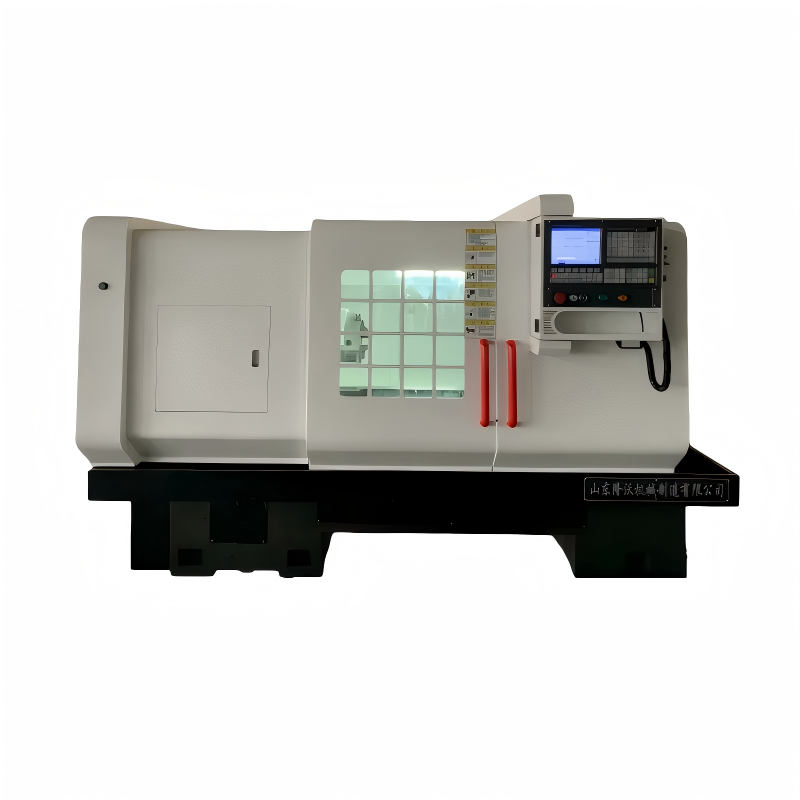
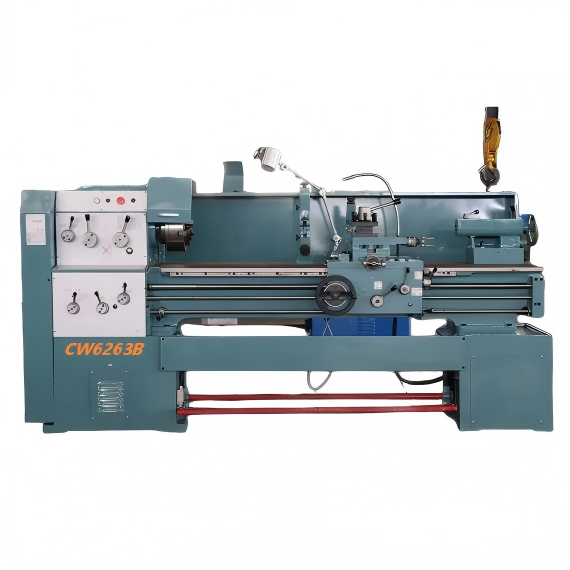
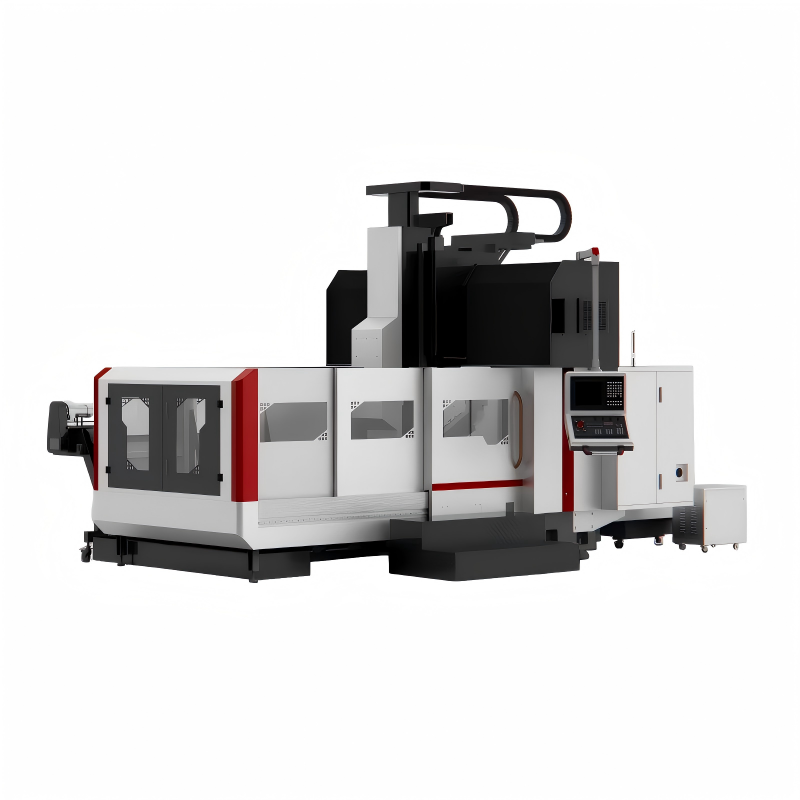
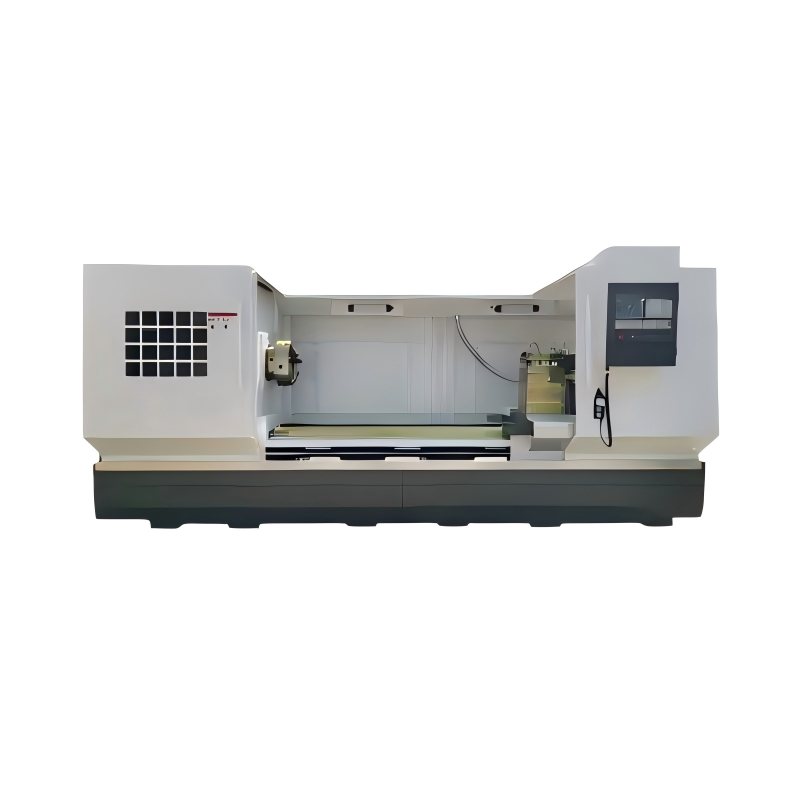
Industrial lathe machines play a crucial role in manufacturing processes, providing the precision and efficiency needed for turning, facing, and threading operations. Proper maintenance of these machines is essential to ensure their longevity, performance, and safety. This comprehensive guide aims to provide detailed insights into maintaining your industrial lathe machine, covering key areas such as regular inspection, lubrication, and calibration.
One of the most critical aspects of maintaining an industrial lathe machine is conducting regular inspections. These inspections should be thorough and systematic, focusing on both the mechanical and electrical components of the machine. Here are some key points to consider:
By performing regular inspections, you can identify potential issues early and take corrective action before they escalate into more serious problems. This proactive approach not only extends the life of your industrial lathe machine but also ensures consistent and reliable performance.
Lubrication is another vital aspect of maintaining an industrial lathe machine. Proper lubrication reduces friction, minimizes wear, and prevents overheating, thereby extending the lifespan of the machine. Here are some best practices for lubricating your industrial lathe machine:
By following these lubrication best practices, you can significantly reduce the risk of mechanical failures and ensure that your industrial lathe machine operates smoothly and efficiently.
Calibration is essential for ensuring that your industrial lathe machine maintains its precision and accuracy over time. Even with regular maintenance, the machine's settings can drift, leading to inaccuracies in the finished products. Here are some key steps to follow for calibrating your industrial lathe machine:
By regularly calibrating your industrial lathe machine, you can ensure that it continues to produce high-quality, precise workpieces, meeting the stringent requirements of modern manufacturing processes.
Effective maintenance of an industrial lathe machine also depends on the knowledge and skills of the operators and maintenance personnel. Providing adequate training and maintaining comprehensive documentation are crucial for ensuring that everyone involved in the maintenance process is well-informed and capable. Here are some key considerations:
By investing in training and maintaining thorough documentation, you can empower your team to effectively maintain the industrial lathe machine, ensuring its long-term reliability and performance.
Maintaining an industrial lathe machine is a multifaceted process that requires a combination of regular inspections, proper lubrication, accurate calibration, and effective training. By following the guidelines outlined in this comprehensive guide, you can ensure that your industrial lathe machine remains in optimal condition, delivering the precision and efficiency required for your manufacturing processes. Remember, a well-maintained machine not only enhances productivity but also contributes to a safer and more cost-effective operation.
 24/06/2026
The industrial lathe machine stands as a cornerstone in the world of manufacturing, playing an indispensable role in shaping materials with precision and efficiency. As technology advances, so too does the potential for optimizing these machines to delive
Read More24/06/2026IntroductionSelecting the right industrial lathe machine is a critical decision for any workshop, as it directly impacts productivity, precision, and overall efficiency. An industrial lathe machine is an essential tool in manufacturing, capable of perform
Read More23/06/2026The industrial lathe machine has long been a cornerstone of manufacturing, providing the precision and versatility needed to shape materials into intricate parts. As technology advances, these machines continue to evolve, incorporating new features that e
Read More23/06/2026Industrial Lathe Machines play a crucial role in the manufacturing industry, particularly when it comes to creating cylindrical parts with high precision. The importance of precision cannot be overstated, as even the slightest deviation can result in subs
Read More23/06/2026Industrial lathe machines are essential tools in the manufacturing and engineering sectors, playing a crucial role in shaping and machining various materials. These machines are designed to rotate a workpiece on its axis to perform operations such as cutt
Read More23/06/2026In the realm of modern manufacturing, the Industrial Lathe Machine stands as a cornerstone, enabling precise and efficient production processes. This versatile tool has evolved significantly over the years, adapting to the changing demands of the industry
Read MoreOur professional sales team is always ready to assist you.