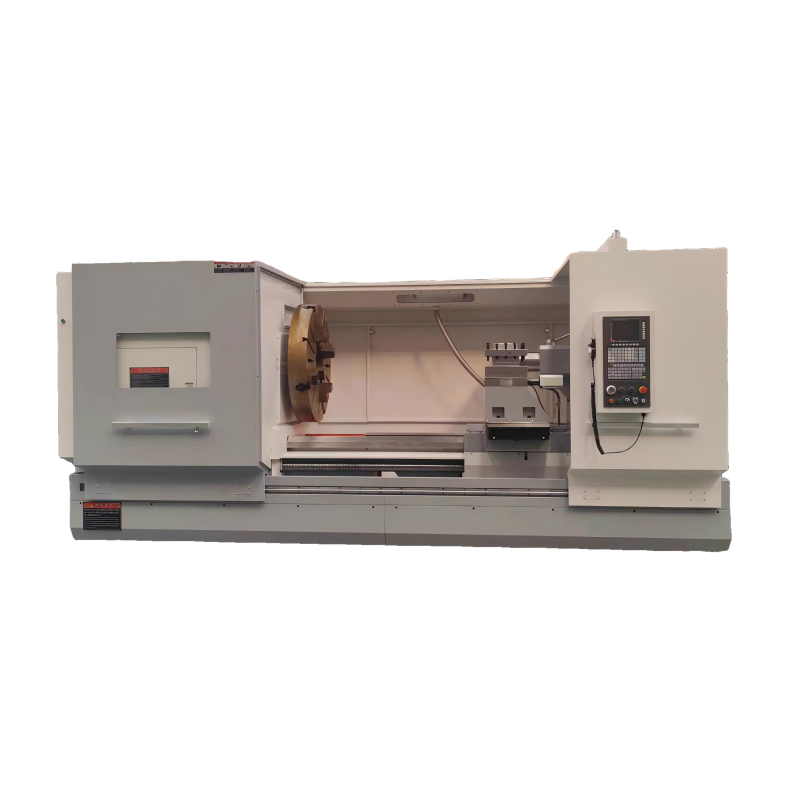
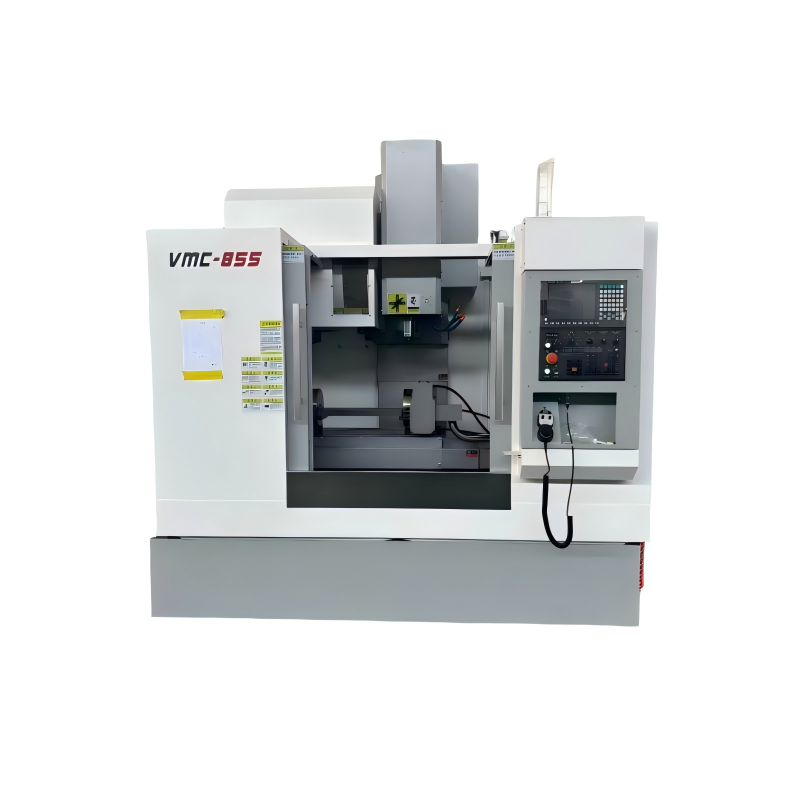
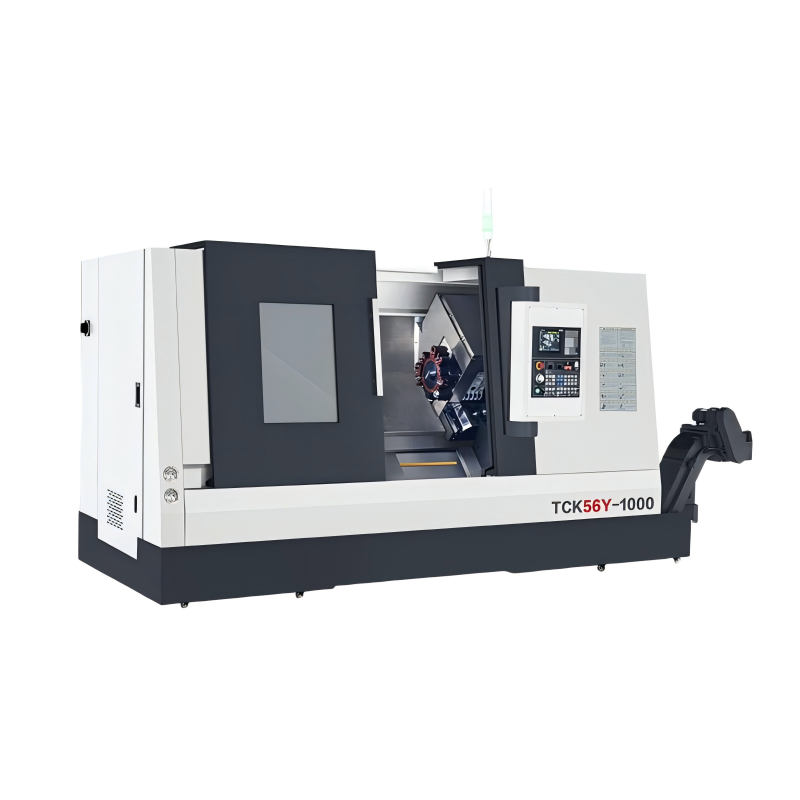
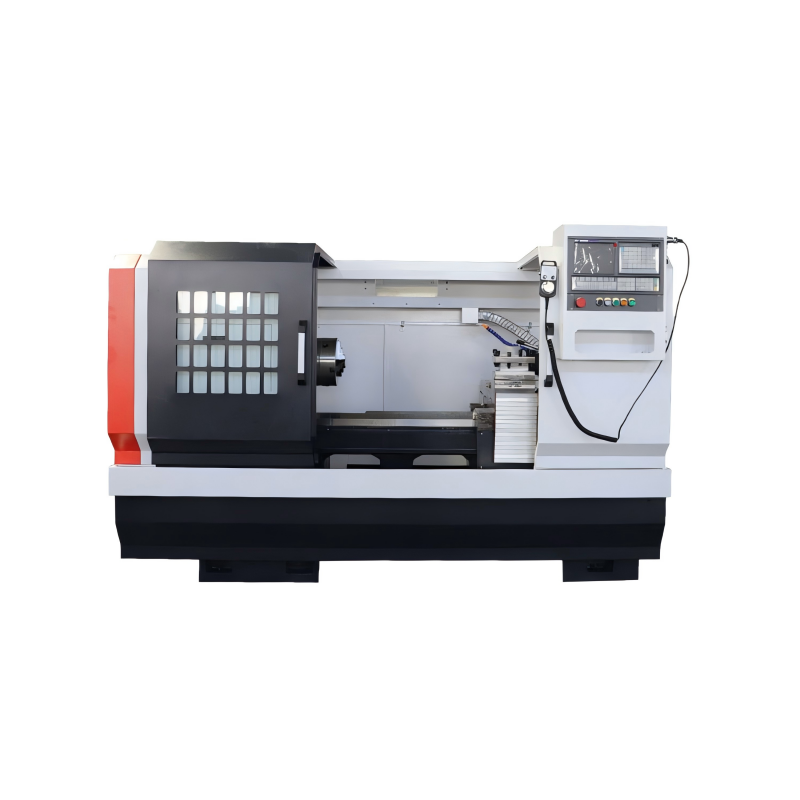
The industrial lathe machine stands as a cornerstone in the world of manufacturing, playing an indispensable role in shaping materials with precision and efficiency. As technology advances, so too does the potential for optimizing these machines to deliver even greater performance. This report explores several advanced techniques aimed at maximizing the efficiency of industrial lathe machines, ensuring they remain at the forefront of modern manufacturing processes.
Selecting the right tools is fundamental to achieving optimal results from an industrial lathe machine. High-quality, properly maintained tools can significantly reduce production time while improving the quality of the finished product. It’s crucial to consider factors such as material compatibility, cutting speed, and tool life when making selections. Moreover, implementing an efficient tool management system, which includes regular inspection, timely replacement, and proper storage, ensures that the lathe operates at its best. Advanced software solutions can also aid in tracking tool usage and predicting maintenance needs, thereby minimizing downtime and enhancing overall productivity.
The integration of Computer Numerical Control (CNC) systems into industrial lathe machines has revolutionized their capabilities. CNC Lathes offer unparalleled precision and repeatability, allowing for complex operations to be performed with ease. By programming specific instructions directly into the machine, operators can automate tasks, reducing the likelihood of human error and increasing output rates. Furthermore, advanced CNC features, such as adaptive control and real-time monitoring, enable the machine to adjust parameters dynamically based on the workpiece conditions, leading to more consistent and accurate results. Investing in training for staff to fully utilize these technologies is essential for maximizing the benefits of CNC-equipped lathes.
Efficient material handling and workflow optimization are critical aspects of maximizing the efficiency of an industrial lathe machine. Streamlining the process from raw material input to finished product output involves careful planning and implementation of lean manufacturing principles. Automation plays a significant role here, with robotic arms and conveyor systems facilitating smooth and continuous operation. Additionally, employing just-in-time (JIT) inventory strategies helps in minimizing waste and keeping the production line moving smoothly. Regularly reviewing and refining the workflow, coupled with investing in ergonomic designs for operator comfort, further contributes to improved efficiency and reduced operational costs.
Maintenance is a key factor in maintaining the longevity and reliability of an industrial lathe machine. Traditional reactive maintenance approaches, where repairs are made only after a failure occurs, often lead to unexpected downtime and increased repair costs. In contrast, predictive maintenance utilizes data analytics and sensor technology to monitor the condition of the machine in real-time, identifying potential issues before they escalate. This proactive approach allows for scheduled maintenance during planned downtime, reducing interruptions to the production process. By integrating predictive maintenance into the overall maintenance strategy, companies can achieve higher uptime, lower maintenance costs, and extended machine life, all contributing to enhanced operational efficiency.
In today’s data-driven world, leveraging insights derived from machine data is vital for continuous improvement. Industrial lathe machines equipped with IoT (Internet of Things) sensors can collect vast amounts of data on various operational parameters, including temperature, vibration, and power consumption. Analyzing this data using advanced analytics and machine learning algorithms provides valuable insights into machine performance, helping to identify areas for improvement. For example, data analysis can reveal patterns that indicate inefficiencies in the machining process or highlight opportunities for energy savings. By embracing a culture of continuous improvement and utilizing data-driven decision-making, manufacturers can stay competitive and ensure that their industrial lathe machines operate at peak efficiency.
In conclusion, maximizing the efficiency of an industrial lathe machine requires a multifaceted approach that encompasses tool selection, CNC technology, material handling, predictive maintenance, and data-driven insights. By adopting these advanced techniques, manufacturers can not only enhance the performance of their lathes but also drive overall productivity and profitability in their operations.
 24/06/2026
Industrial lathe machines play a crucial role in manufacturing processes, providing the precision and efficiency needed for turning, facing, and threading operations. Proper maintenance of these machines is essential to ensure their longevity, performance
Read More24/06/2026IntroductionSelecting the right industrial lathe machine is a critical decision for any workshop, as it directly impacts productivity, precision, and overall efficiency. An industrial lathe machine is an essential tool in manufacturing, capable of perform
Read More23/06/2026The industrial lathe machine has long been a cornerstone of manufacturing, providing the precision and versatility needed to shape materials into intricate parts. As technology advances, these machines continue to evolve, incorporating new features that e
Read More23/06/2026Industrial Lathe Machines play a crucial role in the manufacturing industry, particularly when it comes to creating cylindrical parts with high precision. The importance of precision cannot be overstated, as even the slightest deviation can result in subs
Read More23/06/2026Industrial lathe machines are essential tools in the manufacturing and engineering sectors, playing a crucial role in shaping and machining various materials. These machines are designed to rotate a workpiece on its axis to perform operations such as cutt
Read More23/06/2026In the realm of modern manufacturing, the Industrial Lathe Machine stands as a cornerstone, enabling precise and efficient production processes. This versatile tool has evolved significantly over the years, adapting to the changing demands of the industry
Read MoreOur professional sales team is always ready to assist you.