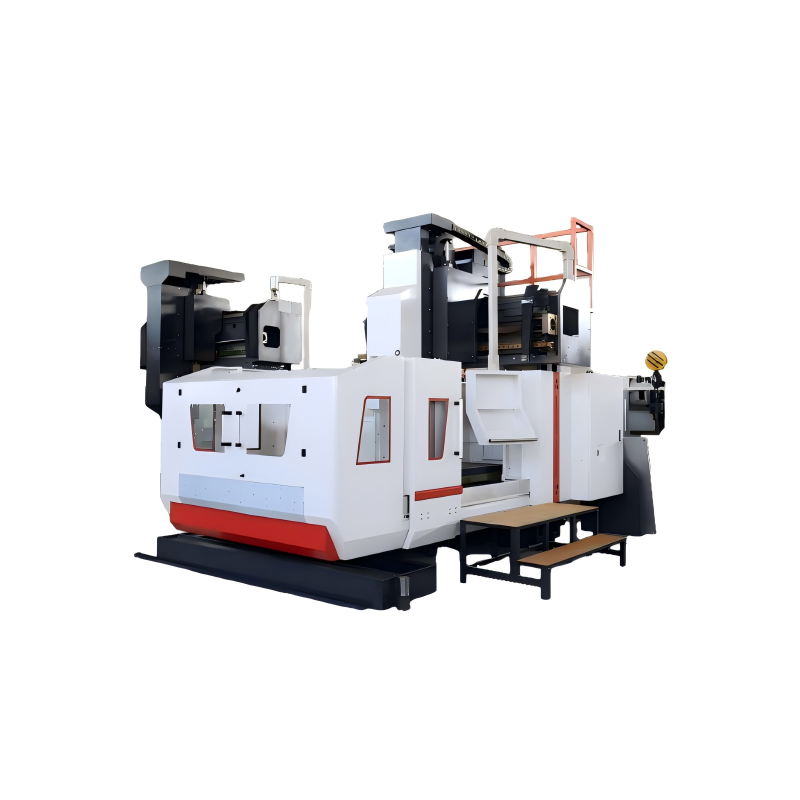
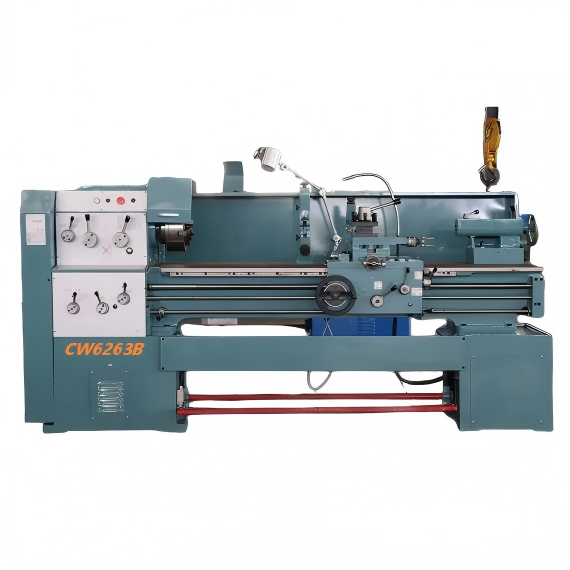
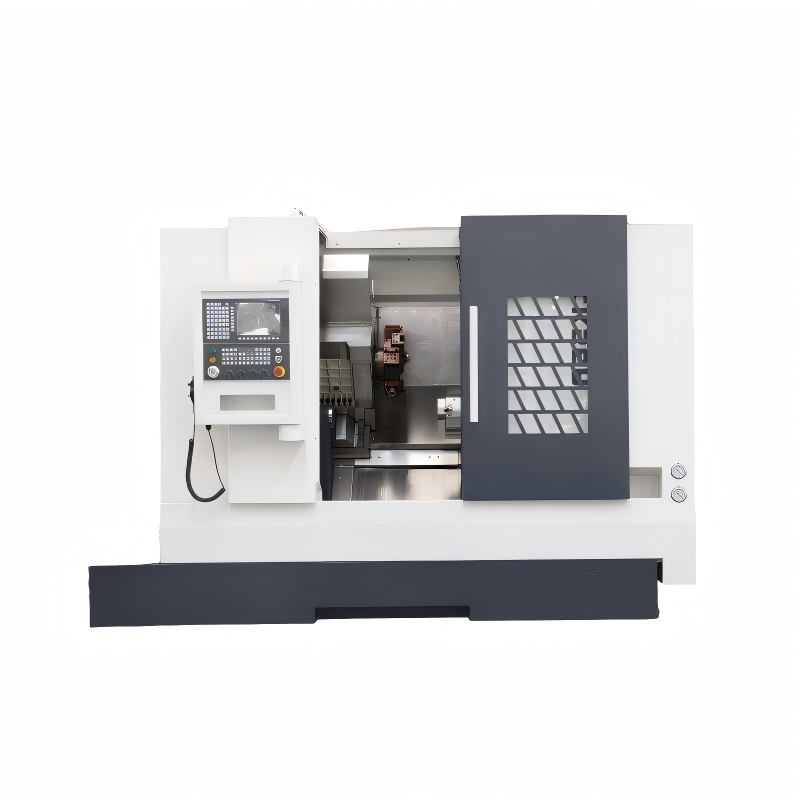
Implementing a multi-axis CNC workcell is an endeavor that requires careful planning, technical expertise, and a thorough understanding of the manufacturing process. This report delves into the intricacies of setting up such a system, highlighting the key challenges faced during integration and operation. From selecting the appropriate machinery to optimizing workflows, this document provides practical insights aimed at ensuring the successful deployment of a multi-axis CNC workcell. The analysis covers essential aspects including but not limited to, initial setup considerations, software integration, operator training, and maintenance strategies. By addressing these critical areas, manufacturers can harness the full potential of their multi-axis CNC workcells, enhancing productivity and product quality.
The journey of Computer Numerical Control (CNC) technology has been marked by continuous advancements, with multi-axis CNC workcells representing one of its most sophisticated forms. Initially, CNC systems were simple, offering only three axes of motion. However, as manufacturing demands grew more complex, so did the capabilities of CNC machines. Today, multi-axis CNC workcells can perform operations in five or even six axes, allowing for greater flexibility and precision in machining. This evolution reflects the industry's need for more efficient, versatile, and accurate manufacturing solutions.
A multi-axis CNC workcell comprises several integral components, each playing a crucial role in its functionality. These include the control unit, which acts as the brain of the machine, coordinating all movements; the spindle, responsible for rotating the cutting tool; and the axes, which provide the necessary degrees of freedom for precise positioning. Advanced features like automatic tool changers, coolant systems, and integrated sensors further enhance the workcell's performance, enabling it to handle a wide range of materials and geometries with ease.
One of the first and most critical steps in implementing a multi-axis CNC workcell is choosing the right equipment. Factors such as the type of material to be machined, the complexity of the parts, and the desired production volume must be carefully considered. For instance, a high-speed milling machine might be ideal for producing intricate aluminum parts, while a robust turning center could be better suited for heavy-duty steel components. Additionally, the selection should take into account the machine's compatibility with existing infrastructure, such as floor space, power supply, and environmental conditions. A well-thought-out selection process ensures that the chosen equipment aligns with the specific needs and constraints of the manufacturing environment.
Integrating a new multi-axis CNC workcell into an existing production line can be a complex task. It requires seamless communication between the new machine and other systems, such as CAD/CAM software, part loading and unloading mechanisms, and quality control stations. Ensuring that all these elements work together harmoniously is crucial for maintaining a smooth and efficient workflow. This often involves configuring the workcell's control system to communicate with the plant's network, setting up data transfer protocols, and synchronizing the machine's operations with the overall production schedule. Proper integration not only enhances productivity but also minimizes downtime and reduces the risk of errors.
The success of a multi-axis CNC workcell heavily relies on the effectiveness of its CAD/CAM (Computer-Aided Design/Computer-Aided Manufacturing) software. This software is responsible for translating 3D designs into machine-readable code, which the CNC machine then uses to execute the machining process. To achieve optimal results, the CAD/CAM software must be capable of handling the complexities of multi-axis operations. This includes generating toolpaths that account for multiple axes, simulating the machining process to identify potential issues, and providing real-time feedback during the operation. Furthermore, the software should be user-friendly and compatible with the workcell's control system, ensuring that operators can easily create, edit, and manage machining programs.
Programming a multi-axis CNC workcell involves creating detailed instructions for the machine to follow. This process requires a deep understanding of both the machine's capabilities and the specific requirements of the part being machined. Advanced programming techniques, such as 5-axis simultaneous machining, enable the creation of highly complex and precise parts. However, these techniques also introduce additional layers of complexity, making simulation a vital step in the programming process. Simulation allows operators to visualize the machining process, identify potential collisions, and optimize toolpaths before the actual machining begins. This not only improves the accuracy and efficiency of the machining process but also helps in reducing the risk of costly mistakes and downtime.
Operating a multi-axis CNC workcell requires a high level of skill and expertise. Therefore, comprehensive training for operators is essential to ensure that they can effectively and safely use the machine. Training programs should cover a wide range of topics, including the basics of CNC technology, the specific features and capabilities of the multi-axis workcell, and best practices for programming and operating the machine. Additionally, ongoing skill development is crucial to keep operators up-to-date with the latest advancements in CNC technology. Regular training sessions, workshops, and access to online resources can help operators stay proficient and adapt to new challenges, ultimately leading to improved productivity and reduced errors.
To ensure the longevity and reliability of a multi-axis CNC workcell, regular maintenance and effective troubleshooting are indispensable. A well-maintained machine operates more efficiently, produces higher quality parts, and experiences fewer breakdowns. Key maintenance tasks include lubricating moving parts, checking and replacing worn-out components, and performing routine inspections to identify and address potential issues. In addition, operators and maintenance personnel should be trained to diagnose and resolve common problems, such as tool wear, misalignment, and software glitches. Implementing a proactive maintenance strategy, combined with a robust troubleshooting protocol, can significantly reduce downtime and extend the life of the workcell, ensuring consistent and reliable performance.
 08/06/2026
In the realm of advanced manufacturing, a multi-axis CNC workcell stands out as an essential tool for producing complex and precise components. This technical report aims to provide best practices for operating such a system, ensuring optimal performance,
Read More08/06/2026In the realm of modern manufacturing, multi-axis CNC workcells have emerged as a game-changing solution for producing complex and precise components. These advanced systems offer unparalleled flexibility and accuracy, making them indispensable in industri
Read More08/06/2026In the realm of advanced manufacturing, multi-axis CNC workcells have become indispensable tools for achieving high precision and flexibility in production processes. These sophisticated machines are designed to handle complex tasks that require multiple
Read More08/06/2026In the realm of custom fabrication, multi-axis CNC workcells have emerged as a transformative technology, offering unparalleled precision, flexibility, and efficiency. This report delves into the benefits of integrating multi-axis CNC workcells into custo
Read More08/06/2026In the realm of modern manufacturing, multi-axis CNC workcells stand out as a pinnacle of precision and efficiency. These sophisticated systems, capable of moving along multiple axes, are crucial for producing complex parts with high accuracy. However, th
Read More07/06/2026Exploring the Benefits of Multi-Axis CNC Workcells delves into the transformative impact of multi-axis CNC (Computer Numerical Control) workcells on modern manufacturing. This report highlights how these advanced systems not only enhance productivity and
Read More07/06/2026In the realm of modern manufacturing, the integration of advanced multi-axis CNC workcells has become a pivotal factor in boosting productivity. These sophisticated systems are designed to handle complex machining tasks with precision and efficiency, allo
Read More07/06/2026In the rapidly evolving field of manufacturing, multi-axis CNC workcell technology stands out as a pivotal innovation. This report delves into the advancements in multi-axis CNC workcell technology, exploring how these systems have transformed production
Read More07/06/2026In today's competitive manufacturing landscape, the efficiency and flexibility of production processes are paramount. This technical report delves into the optimization of multi-axis CNC workcell configurations to maximize output, focusing on how strategi
Read More06/06/2026In the modern manufacturing landscape, multi-axis CNC workcells have emerged as a pivotal technology, revolutionizing the way products are designed, prototyped, and mass-produced. These advanced systems, capable of manipulating tools along multiple axes s
Read More06/06/2026Multi-axis CNC workcells are essential in modern manufacturing for their ability to perform complex operations with high precision and efficiency. However, maintaining these sophisticated machines is crucial to ensure they operate at optimal performance l
Read More06/06/2026Integrating a multi-axis CNC workcell into an existing production line can significantly enhance the efficiency, precision, and flexibility of manufacturing processes. This technical report delves into the various aspects of incorporating such advanced ma
Read More06/06/2026In the aerospace industry, where precision and efficiency are paramount, integrating multi-axis CNC workcells has become a key strategy for enhancing productivity. This report explores how these advanced manufacturing systems can be seamlessly integrated
Read More06/06/2026In today's fast-paced manufacturing environment, the adoption of advanced multi-axis CNC workcells is pivotal for enhancing both efficiency and accuracy. These sophisticated systems not only streamline production processes but also significantly reduce er
Read More05/06/2026In the realm of advanced manufacturing, the multi-axis CNC workcell stands out as a pinnacle of precision and versatility. This report delves into the capabilities of such a system, exploring its potential to transform production processes through enhance
Read More05/06/2026In the realm of modern manufacturing, precision and efficiency are paramount. The integration of multi-axis CNC workcells has revolutionized how complex parts are machined, offering unparalleled accuracy and versatility. This report delves into the transf
Read More05/06/2026In this comprehensive guide, we will delve into the intricate world of multi-axis CNC workcells, providing an in-depth look at their design, functionality, and applications. The multi-axis CNC workcell is a sophisticated manufacturing system that enables
Read More05/06/2026A Comprehensive Guide to Choosing the Right Multi-Axis CNC Workcell offers an in-depth analysis of the key factors that influence the selection process for multi-axis CNC workcells. This guide is designed to help manufacturers and engineers make informed
Read More05/06/2026In the rapidly evolving landscape of automotive manufacturing, multi-axis CNC workcells have emerged as a transformative force, significantly enhancing production efficiency, precision, and flexibility. These advanced systems are not only revolutionizing
Read More04/06/2026With the rapid advancements in manufacturing technology, multi-axis CNC workcells have emerged as a game-changer, transforming industries by enhancing productivity, precision, and flexibility. These advanced systems are capable of performing complex opera
Read More04/06/2026In the realm of modern manufacturing, multi-axis CNC workcells have emerged as a transformative force, reshaping how products are designed and produced. These advanced systems, which combine multiple axes of motion with computer numerical control (CNC), o
Read More04/06/2026In the realm of advanced manufacturing, the multi-axis CNC workcell stands out as a beacon of precision and flexibility. This technology integrates multiple axes of movement, allowing for complex geometries to be machined with unparalleled accuracy. The m
Read More04/06/2026In the rapidly evolving landscape of manufacturing, the integration of advanced technologies such as multi-axis CNC workcells is reshaping the industry. These sophisticated systems are not only enhancing productivity and precision but also enabling manufa
Read More04/06/2026In today's competitive manufacturing landscape, maximizing efficiency is crucial for staying ahead. A multi-axis CNC workcell offers a powerful solution to enhance productivity and precision. This report explores the benefits of integrating a multi-axis C
Read More04/06/2026In the rapidly evolving landscape of manufacturing, multi-axis CNC (Computer Numerical Control) workcells are emerging as a transformative force. These advanced systems offer unparalleled precision, flexibility, and efficiency, making them indispensable i
Read More04/06/2026In today's manufacturing landscape, the selection of an appropriate multi-axis CNC workcell is critical for enhancing productivity, precision, and flexibility. This technical report aims to guide manufacturers through the process of choosing the right mul
Read More04/06/2026In today's fast-paced manufacturing environment, the integration of a multi-axis CNC workcell can significantly enhance productivity and efficiency. This report delves into how adopting such advanced machinery not only optimizes production processes but a
Read More04/06/2026In the rapidly evolving landscape of precision machining, the multi-axis CNC workcell stands out as a transformative technology. This advanced manufacturing solution not only enhances the efficiency and accuracy of production processes but also opens up n
Read More04/06/2026In the rapidly evolving landscape of modern manufacturing, the integration of multi-axis CNC workcells has become a game-changer. These advanced systems offer unparalleled precision, flexibility, and efficiency, enabling manufacturers to produce complex p
Read MoreOur professional sales team is always ready to assist you.